Moving to Singapore From Vietnam: A Co-Living Housing Guide
Moving to Singapore from Vietnam? Here's the pass you need, realistic housing costs, and where co-living fits for Vietnamese professionals and students.
Moving to Singapore from Vietnam takes three things in order: a valid pass (Employment Pass, S Pass, Work Permit, or Student Pass), a place to stay that doesn't require a 12-month lease before you've even seen the room, and a plan for the first few weeks of paperwork. Vietnamese passport holders don't need a visa to enter Singapore for up to 30 days, but a visa-free entry stamp doesn't let you sign a residential lease. That only happens once your actual pass is issued.
The direct flight makes the move itself easy. Hanoi to Singapore runs about 3 hours 45 minutes with several daily direct services, and Ho Chi Minh City is closer still at around 2.5 hours, flown by Singapore Airlines, Scoot, Vietnam Airlines, and VietJet. The harder part is everything after landing, and that's what this guide covers.
Which Pass Do You Need to Move to Singapore From Vietnam?
It depends on why you're moving. There's no separate "Vietnam" pass category. Vietnamese nationals go through the same Ministry of Manpower (MOM) and Immigration and Checkpoints Authority (ICA) system as any other foreign national:
- Employment Pass (EP), for professionals, managers, and executives with a job offer. The minimum qualifying salary is S$5,600 a month in most sectors and S$6,200 in financial services, rising with age, effective since January 2025. A further increase to S$6,000 and S$6,600 is scheduled for January 2027.
- S Pass, for mid-skilled roles. The minimum qualifying salary is S$3,300 a month in most sectors and S$3,800 in financial services, effective since September 2025, rising to S$3,600 from January 2027.
- Work Permit, for other approved work sectors, subject to source-country and quota rules.
- Student Pass, for enrolment at an approved Singapore institution, including NUS, NTU, SMU, and the polytechnics.
These figures move with MOM policy, so confirm the current rate on MOM's website before you rely on it for planning. For what each pass means for renting specifically, our guide on renting on an EP vs S Pass vs Student Pass covers the detail so we won't repeat it here.
Do Vietnamese Citizens Need a Visa to Enter Singapore?
No, not for a short visit. Vietnamese passport holders get visa-free entry to Singapore for up to 30 days under the standard arrangement between the two countries. That's fine for a job interview, a viewing trip, or scoping out neighbourhoods.
It is not a substitute for a work or student pass. You cannot sign a residential lease on a visa-free entry stamp, and no properly run operator will let you try. Our piece on renting in Singapore from overseas covers exactly what you can and can't lock in before your pass is actually issued, and can foreigners rent in Singapore walks through the documents any legitimate operator will check once it is.
How Much Does Moving to Singapore From Vietnam Actually Cost?
More than the flight, and the gap catches a lot of first-time movers off guard. Singapore's cost of living runs meaningfully higher than Hanoi or Ho Chi Minh City, and rent is usually the single biggest line item.
Budget for these categories in your first month:
| Cost | Typical range |
|---|---|
| Flight, Hanoi or HCMC to Singapore | Varies by season and airline |
| Deposit + first month's rent (co-living room) | Room-dependent, paid upfront |
| SIM card / local number | From around S$10-30/month |
| Groceries, transport, daily spend | S$500-900/month for one person, lifestyle-dependent |
| Bank account setup | Usually free, minimum initial deposit S$0-1,000 depending on the bank |
For the full breakdown of what sits on top of rent itself, our guide to the real cost of renting in Singapore in 2026 and first month moving costs go through this line by line. We don't quote a fixed room price here, since it moves with live availability. Current rooms and their full monthly figure are listed at lazybee.sg.
Where Do Vietnamese Expats and Students Tend to Settle?
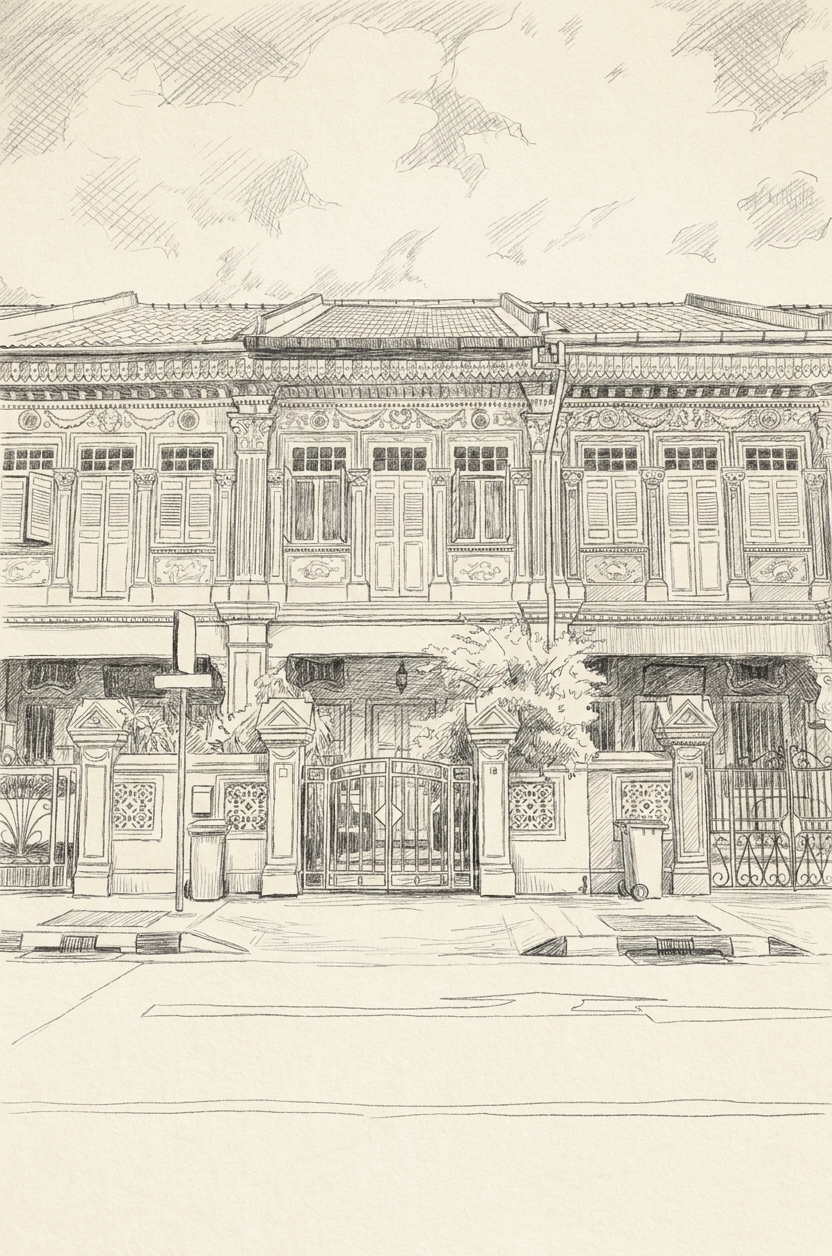
There's no single "Vietnamese district" in Singapore, but Joo Chiat has become the closest thing to a hub. Vietnamese grocery stores like Viet Valuemart sit along Joo Chiat Road, and restaurants such as Long Phung and Pho 99 draw a steady crowd of homesick regulars.
That said, most Vietnamese professionals and students end up choosing housing based on commute to work or campus, not proximity to a grocery store. Lazybee's three houses sit in Chiltern Park (Serangoon, near two MRT lines), Ivory Heights (by the Jurong East interchange), and Thomson Grove (near Lentor), which cover a useful spread if you're weighing commute against neighbourhood feel. Our Chiltern Park, Ivory Heights, Thomson Grove guide covers each in more detail.

Renting a Room vs a Whole Flat When You've Just Arrived
Signing a 12-month private tenancy the week you land is a common and avoidable mistake. You haven't seen the neighbourhood in person, you don't know your commute yet, and your pass validity might not even support a full year if you're on a first-time S Pass or a Student Pass tied to annual renewal.
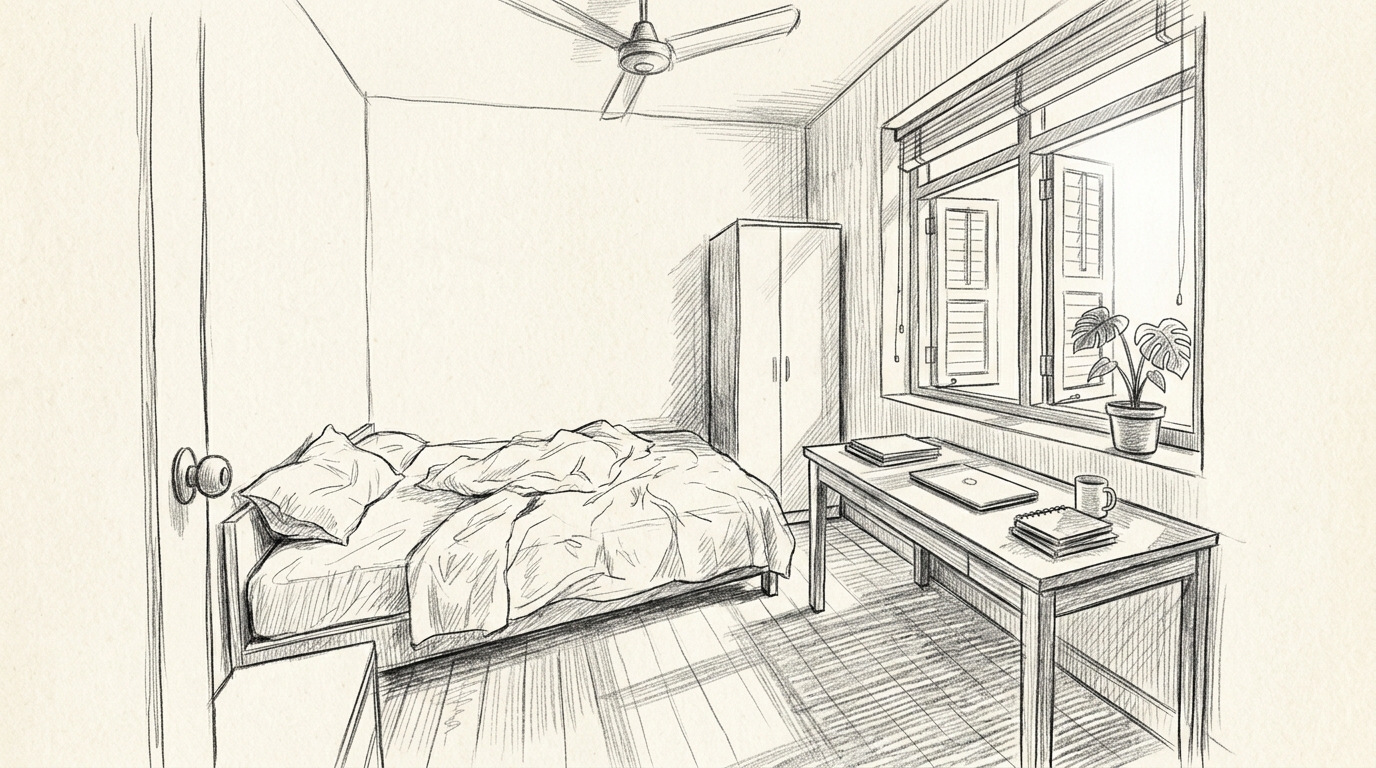
Co-living solves a specific problem for new arrivals from Vietnam: it doesn't ask you to commit to furniture, utilities accounts, and a full flat before you've spent a single week in the country. A room comes furnished, bills are usually bundled into one monthly figure, and lease terms tend to be shorter and more flexible than a standard whole-unit tenancy. That matters most in your first few months, when you genuinely don't know yet whether you want to stay in that part of Singapore long-term.
It also sidesteps a paperwork problem specific to whole-unit renting: HDB flats require the landlord to hold approval to sublet to a non-citizen, and private units carry a statutory three-month minimum stay. A co-living operator handles that compliance on their side, not yours.
Getting Set Up: Bank Account, SIM, and the Paperwork That Follows
Once your pass is in hand, a few practical steps unlock the rest of your setup:
- Open a bank account. DBS, OCBC, and UOB all accept EP and S Pass holders, with your original pass card, passport, and proof of Singapore address. DBS and UOB generally need an in-branch visit; OCBC offers partial online opening. Minimum initial deposits run from S$0 (DBS Multiplier) to around S$1,000 (OCBC 360, UOB One).
- Get a local SIM. A Singapore number speeds up your bank account and lease paperwork alike.
- Confirm your tax position back home. Under the Vietnam-Singapore double tax agreement, a non-resident's Singapore salary isn't taxed again in Vietnam. If you remain a Vietnamese tax resident, Vietnam taxes worldwide income but credits tax already paid in Singapore. Check your specific position with a tax adviser rather than assuming either way.
- Handle stamp duty on your lease, if applicable, a fixed rate with a fixed deadline. Our stamp duty on a room rental guide has the current rate and process.
- Work through the moving-in checklist. Our relocation checklist for Singapore covers pass, bank, phone, and address registration in one sequence.
Sending Money Home
Once you're earning in Singapore dollars, sending money back to family in Vietnam is routine, but fees vary a lot by method. Bank transfers carry the widest markup, often 8% or more once the exchange rate spread is counted. Transfer services like Wise typically undercut banks by a wide margin, and Vietnam-focused remittance apps paying out directly into e-wallets like MoMo or ZaloPay are worth comparing too. Check the total cost, not just the advertised fee, since the exchange rate spread is usually where banks make their money back.

Booking a Room Before You Land
You don't need to be in Singapore to secure a room. Lazybee's listings show real availability and the full monthly figure upfront on lazybee.sg, and you can book a viewing once you're ready to see a room in person or arrange a remote walkthrough if you're still in Vietnam. For what to check before committing sight unseen, our guide on viewing a room remotely is worth reading first.
Moving From Vietnam: Your Questions Answered
Do I need a visa to move to Singapore from Vietnam? Not for a short visit; Vietnamese passport holders get 30 days visa-free. To live and work or study there, you need the relevant pass (Employment Pass, S Pass, Work Permit, or Student Pass) issued and in hand before you can sign a lease.
Can I rent a room in Singapore before my pass is issued? Not officially. Some operators will let you reserve a room ahead of your pass being issued using your offer letter or in-principle approval, but the agreement itself only gets signed once the pass exists and can be verified.
How long does the flight from Vietnam to Singapore take? From Hanoi, about 3 hours 45 minutes. From Ho Chi Minh City, roughly 2.5 hours. Both routes run several direct flights a day.
Is co-living cheaper than renting a whole flat? Usually yes on a per-person basis, since utilities, furniture, and Wi-Fi are typically bundled in rather than being separate setup costs you carry alone. We don't quote a fixed figure here since it moves with availability; current listings on lazybee.sg show the actual monthly number.
Where is the Vietnamese embassy in Singapore? The Embassy of the Socialist Republic of Vietnam is at 10 Leedon Park, Singapore 267887.
Do I need a guarantor to rent as a newly arrived Vietnamese national? Not usually if you're on an Employment Pass with a stable job. Some operators ask for extra documentation on a Student Pass or a first S Pass, mainly because those passes renew annually and carry more uncertainty, not because of nationality.
Sources: MOM, Employment Pass eligibility; MOM, S Pass eligibility; Ministry of Foreign Affairs Singapore, travel information for Vietnam-Singapore visa arrangements; Embassy of the Socialist Republic of Vietnam in Singapore; Wise, sending money to Vietnam; Monito, Singapore to Vietnam money transfer comparison.