Indonesian Students in Singapore: Where to Live and What It Costs
Where Indonesian students in Singapore actually live, which areas suit which campuses, and what rent and moving costs realistically look like in 2026.
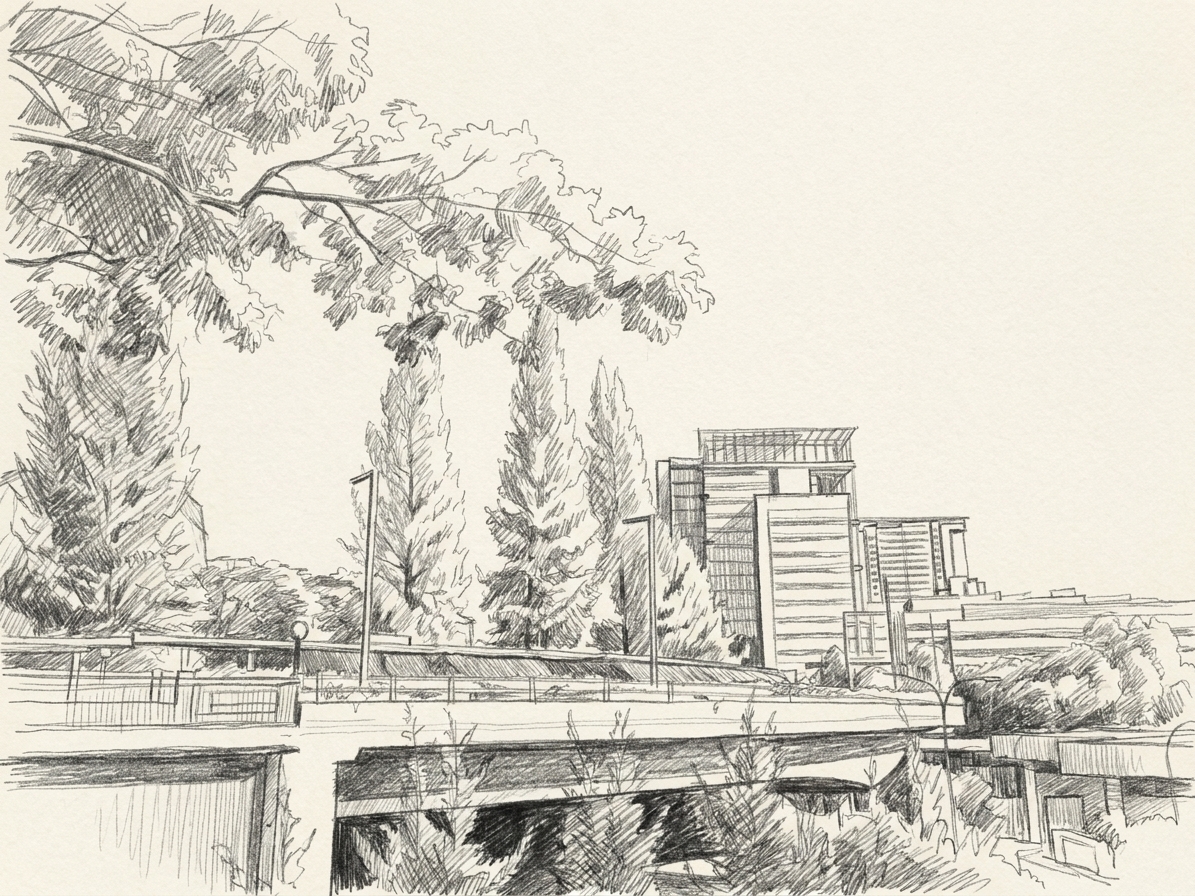
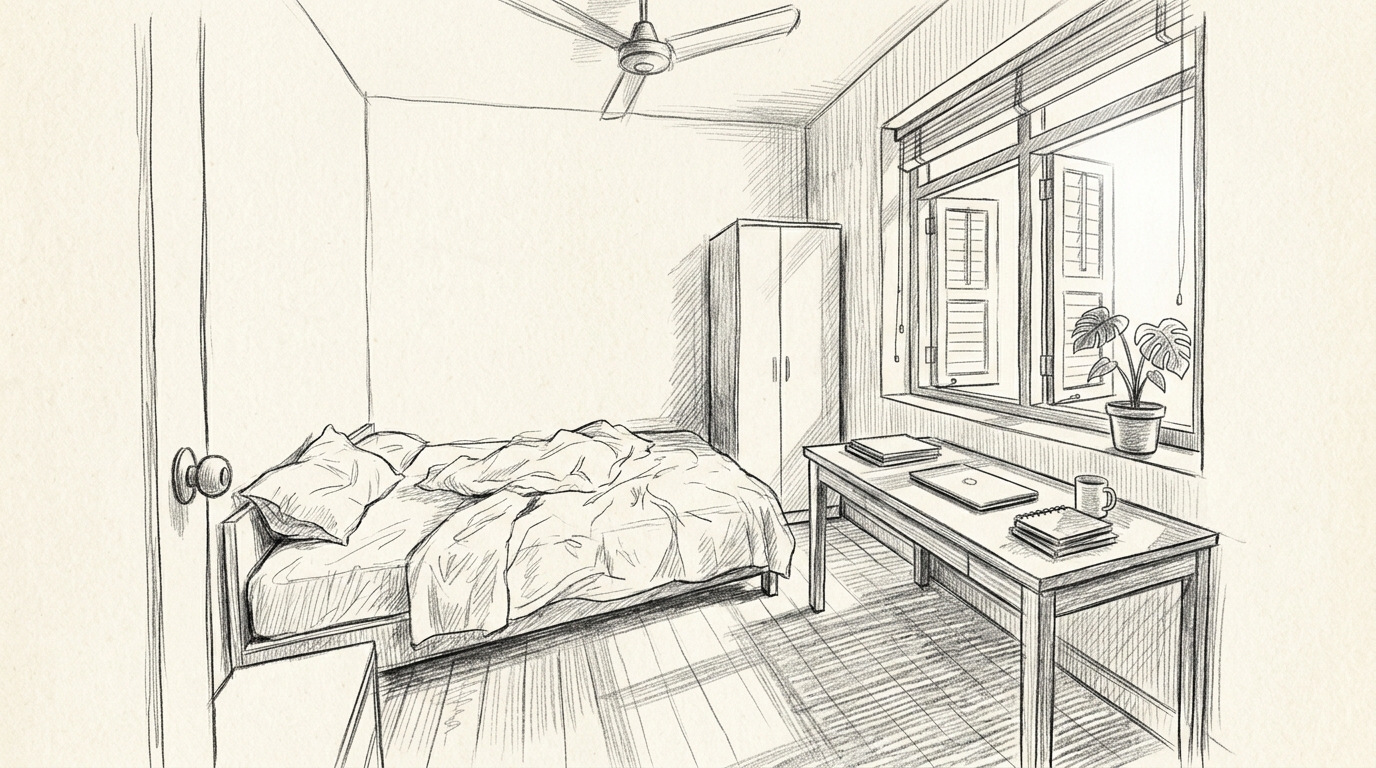
Most Indonesian students in Singapore end up living in one of three broad clusters, matched to where they study: the west side near NUS, NTU, and Curtin Singapore, the central belt near SMU, Kaplan, and PSB Academy, or the north and northeast near Chiltern Park and Thomson Grove's residential neighbourhoods. Rent for a shared room typically runs from around S$600 for a basic setup up to S$2,500 for a private ensuite, and a whole studio starts from about S$1,900. What actually drives the decision isn't the area alone, it's matching your campus, your budget, and how much you want easy access to Indonesian food and community on top of a short commute.
That's the short version. The rest of this covers which institutions Indonesian students actually attend, which parts of Singapore make sense for each one, what the Student's Pass process involves, and the costs that catch people out when they're planning a move from Indonesia specifically.
Where Do Indonesian Students Actually Study?
Indonesia has long been one of the steadier source countries for Singapore's education sector, across both the autonomous universities and the large private education scene. That shows up in how many dedicated Indonesian student groups exist here. PPI Singapura, the umbrella Indonesian Students' Association, has run since 2006 and now oversees a dozen school-level chapters, including PINUS at NUS, PINTU at NTU, SMUKI at SMU, KUMIS at MDIS, and KUNCI at Curtin Singapore.
On the public university side, that means NUS (Kent Ridge, on the Circle Line), NTU (Pioneer and Boon Lay, in the far west), and SMU (Bras Basah, right in the city centre).
On the private side, the institutions with the largest and longest-running Indonesian communities are MDIS at 501 Stirling Road near Queenstown, PSB Academy at Raffles Boulevard near Promenade MRT, Kaplan Singapore on Orchard Road, Curtin Singapore at Science Park II near one-north, and James Cook University Singapore on Sims Drive near Aljunied.
| Institution | Location | Nearest MRT | Indonesian student group |
|---|---|---|---|
| NUS | Kent Ridge | Kent Ridge, Circle Line | PINUS |
| NTU | Far west | Pioneer and Boon Lay | PINTU |
| SMU | Bras Basah, city centre | Bras Basah | SMUKI |
| MDIS | 501 Stirling Road, near Queenstown | Queenstown | KUMIS |
| PSB Academy | Raffles Boulevard | Promenade | |
| Kaplan Singapore | Orchard Road | Orchard / Somerset | |
| Curtin Singapore | Science Park II, near one-north | one-north | KUNCI |
| James Cook University Singapore | Sims Drive | Aljunied |
PPI Singapura, the umbrella Indonesian Students' Association, has run since 2006 and now oversees a dozen school-level chapters.
Which Area Suits Which Campus?
Singapore doesn't have a single "Indonesian student neighbourhood" the way some cities have a defined enclave. What it has is decent MRT coverage that puts most areas within a single-line or one-transfer ride of most campuses, so the smarter question is which part of the island fits your specific school and your budget, not which suburb everyone else picked.
West side (NUS, NTU, Curtin Singapore). Jurong East is the anchor here, a major interchange on the North-South and East-West lines with its own retail hub. It sits close to NTU via Boon Lay and Pioneer, and reachable to NUS and Curtin's Science Park campus via the East-West Line with one change onto the Circle Line. Lazybee's Ivory Heights house sits in this area.
Central belt (SMU, Kaplan, PSB Academy). These three sit within a few MRT stops of each other in and around the city centre and Orchard Road. Serangoon, on the North East and Circle lines, reaches PSB Academy's Promenade campus directly on the Circle Line, and Kaplan's Orchard campus with one change. Lazybee's Chiltern Park house is in Serangoon.
North and northeast (a quieter option for any campus). Thomson Grove, near Lentor on the Thomson-East Coast Line, runs straight into Orchard without a transfer, which covers Kaplan directly and puts SMU and PSB Academy within one further change. It's a more residential, lower-key part of the island than Serangoon or Jurong East, worth considering if quiet matters as much as commute time.
| Area | Anchor station and lines | Reaches | Lazybee house |
|---|---|---|---|
| West | Jurong East, a North-South and East-West interchange with its own retail hub | NTU via Boon Lay and Pioneer. NUS and Curtin's Science Park campus on the East-West Line with one change onto the Circle Line. JCU direct on the East-West Line | Ivory Heights |
| Central belt | Serangoon, on the North East and Circle lines | PSB Academy at Promenade directly on the Circle Line. Kaplan's Orchard campus with one change. JCU via a direct Circle Line ride to Paya Lebar | Chiltern Park |
| North and northeast | Lentor, on the Thomson-East Coast Line | Straight into Orchard without a transfer, covering Kaplan directly, with SMU and PSB Academy one further change. Quieter and more residential | Thomson Grove |
Indonesian Food and Community: What's Actually Nearby?
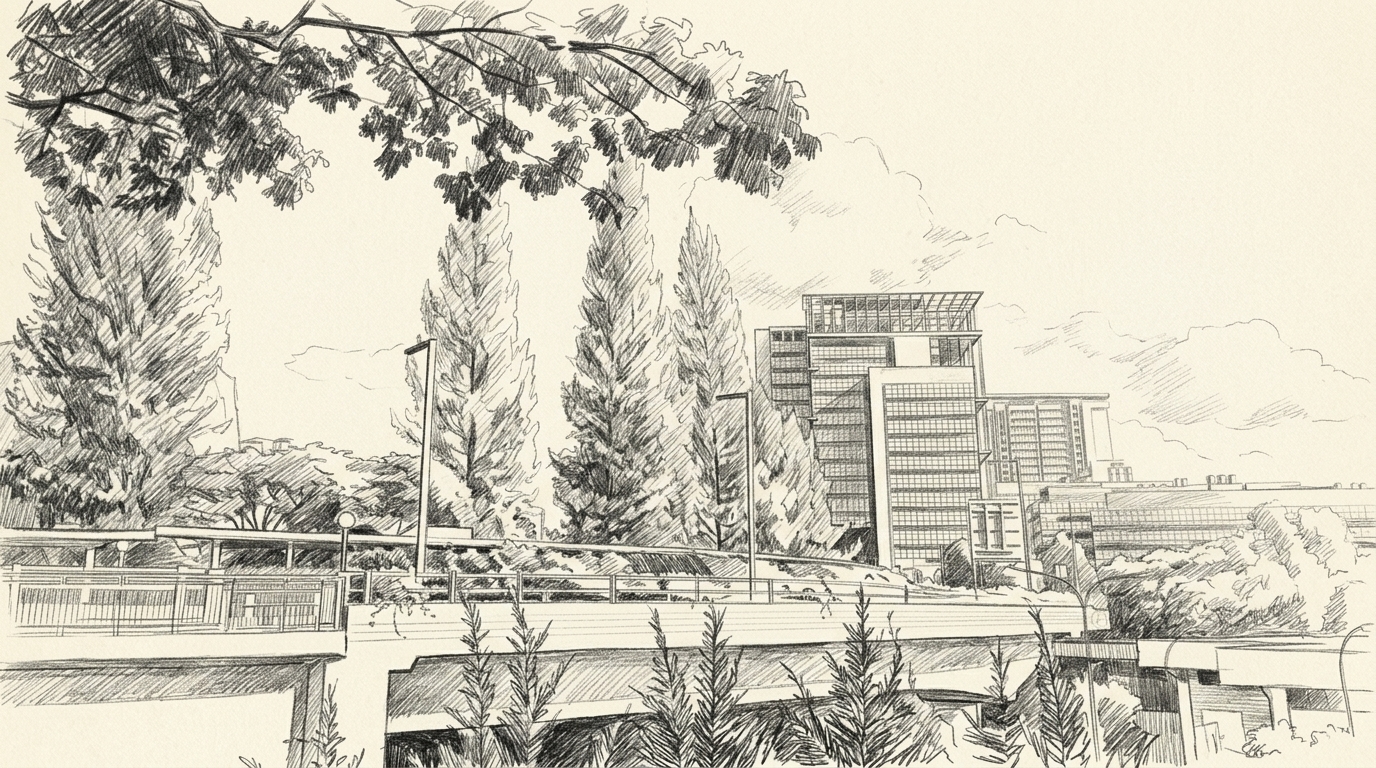
This matters more for day-to-day life than most housing guides give it credit for. Geylang Serai, on the East-West Line, is the closest thing Singapore has to an informal Indonesian and Malay food and culture hub, Bahasa is genuinely spoken around the market, and nasi padang, ayam penyet, and other familiar dishes are easy to find. Kampong Glam, centred on Arab Street and Bussorah Street, is the second major cluster, with a wide range of MUIS-certified halal options covering Malay, Middle Eastern, and Indonesian food.
Worth saying plainly: not every Indonesian student is Muslim, and halal access isn't a universal need. But for the many who do keep halal, or who just want food that reminds them of home, living within reasonable MRT reach of Geylang Serai or Kampong Glam, rather than right on top of them, is usually enough. Chiltern Park's Circle Line connection reaches both areas with a single change.
What Does the Student's Pass Actually Cost?
Every non-Singaporean studying here for more than 30 days needs a Student's Pass from ICA, applied for through the school's SOLAR system after an offer is confirmed. The government fees are S$30 for the application (where a visa applies) and S$60 for issuance, payable online ica.gov.sg. Biometrics are taken in Singapore when the pass is collected. This process is the same regardless of nationality, so it isn't an Indonesia-specific hurdle, just one more thing to budget and time correctly before term starts.
| Cost | Amount | Note |
|---|---|---|
| Student's Pass application | S$30, where a visa applies | Paid online through the school's SOLAR system after an offer is confirmed |
| Student's Pass issuance | S$60 | Biometrics taken in Singapore when the pass is collected |
| Shared room rent | From around S$600 for a basic setup | Moves by area and room type, not by nationality |
| Private ensuite room | Up to around S$2,500 | |
| Whole studio | From about S$1,900 | |
| Deposit plus advance rent | Usually two to three months, paid upfront | The IDR to SGD conversion on a lump sum this size is a real planning variable, not a rounding error |

What Does It Actually Cost to Live Here?
Room and rent costs in Singapore don't move much by nationality, they move by area, room type, and what's bundled into the price. A full, current breakdown of rent bands, deposits, utilities, and a realistic monthly budget is already covered in our cost of renting in Singapore 2026 guide, and the same numbers apply whether you're arriving from Jakarta, Surabaya, or anywhere else.
What's specific to planning a move from Indonesia is the currency side of it. Deposit plus advance rent is usually two to three months paid upfront, and converting a lump sum from IDR to SGD ahead of a move means exchange rate movement is a real planning variable, not a rounding error. Building in a currency buffer, and moving that lump sum earlier rather than at the last minute if the rate looks favourable, is worth doing before deposit day rather than after.
The other cost worth flagging early is remittance and ongoing transfers if your family is supporting part of your rent from Indonesia each month. Bank transfer fees and spread on the exchange rate add up over a full academic year, so it's worth comparing a couple of transfer services rather than defaulting to whatever your home bank offers first.
A Short Checklist Before You Commit to an Area
- Confirm your actual campus address, not just "NUS" or "NTU," since faculties can sit on different sides of a large site
- Match the MRT line, not just the suburb, since two areas with the same postal district can differ a lot in transfer count to your campus
- Check what's included in rent (utilities, wifi, cleaning) before comparing two rooms on price alone
- If halal food access matters to you, check the MRT distance to Geylang Serai or Kampong Glam, not just whether it's technically in the same town
- Budget for the Student's Pass fees and the SOLAR application timeline separately from your move-in cash
- Build a currency buffer into your deposit and advance rent calculation, since IDR to SGD movement is real money over a full lease term
Frequently Asked Questions
Where do most Indonesian students live in Singapore? There's no single dominant area. Most cluster near their actual campus, in the west for NUS, NTU, and Curtin, centrally for SMU, Kaplan, and PSB Academy, with Geylang Serai and Kampong Glam popular as nearby food and community hubs regardless of which campus someone attends.
Is it worth living near Geylang Serai even if I don't study nearby? It depends on how much weight you put on food and community access versus commute time. A single MRT change from either area is usually enough to get the benefit without living directly in the middle of it.
Does the Student's Pass cost more for Indonesian nationals than other countries? No. The S$30 application fee and S$60 issuance fee are the same for every nationality that requires a Student's Pass, set by ICA.
Is co-living a good fit for a first move from Indonesia? It removes a lot of the planning load a first-time renter faces, since utilities, wifi, and furnishing are usually bundled into one number instead of several separate bills and deposits to set up from scratch. Our guide on what's actually included in co-living rent breaks down what that typically covers.
How far in advance should I book a room before the semester starts? Earlier than most people plan for, particularly around the August intake when demand across the whole rental market peaks at once. Our housing timeline guide covers when to start looking for your specific intake.
Where to Go From Here
If you've settled on which part of Singapore fits your campus and budget, current room availability across Lazybee's three houses, Chiltern Park in Serangoon, Ivory Heights in Jurong East, and Thomson Grove near Lentor, is listed with real terms at lazybee.sg. For a closer look at each house and its neighbourhood, our full guide to all three is the natural next read.
Sources: URA, Short-Term Accommodation guidelines; URA, Renting Property guidelines; MOM, S Pass eligibility; ICA, Apply for a Student's Pass.