Viewing a Room Remotely: What to Ask For and the Red Flags
What to ask for in a remote room viewing before moving to Singapore, the red flags that mean walk away, and a checklist to run live before you commit.
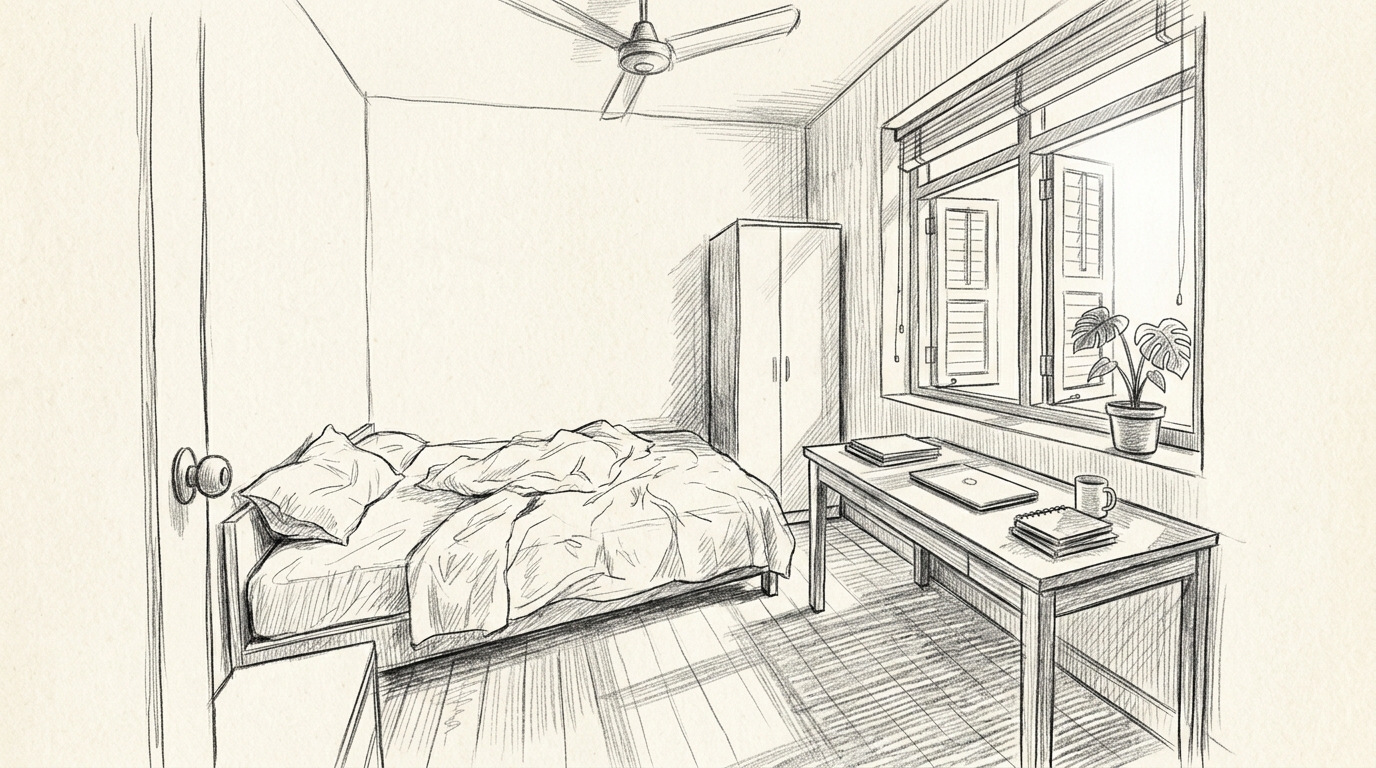
You view a room from another country by asking for a live video call, not a photo set, where someone actually walks the room, hallway, bathroom and common areas on camera while you direct where the phone points. A proper remote viewing lets you ask questions in real time, see the room as it is that day, and check details photos are built to hide. If the person on the other end won't do this, or only ever sends stills, that's the clearest signal something is off before you've paid a cent.
This matters more than it sounds. You're about to commit rent, a deposit, and often months of notice on a room you may never see with your own eyes before you land. Getting the viewing right is the one step that actually protects you.
What a Proper Remote Viewing Actually Looks Like
A proper remote viewing is a live video call, not a recording sent after the fact. You should be able to ask the person filming to open a cupboard, turn on a tap, or pan slower past something you want a second look at. That back-and-forth is the entire point. A pre-recorded video is better than nothing, but it's still one-way, and it was shot on the operator's terms, not yours.
The person on camera should also be someone who actually works with the room, not a stranger reading off a script. They should know the answer to "is this room currently occupied" or "when did someone last live here" without going quiet or fetching someone else.
Video Call vs Photo Set vs Virtual Tour
| Live video call | Photo set | Pre-recorded virtual tour | |
|---|---|---|---|
| Can you direct what's shown | Yes, in real time | No, only what they chose to shoot | No, fixed sequence |
| Can you ask questions live | Yes | No | Usually no |
| Shows current condition | Yes, that day | Often old or reused images | Depends how recent it is |
| Hides flaws easily | Hard to hide on a live call | Easy, angles and lighting do the work | Moderate, still edited |
| Good enough on its own | Yes, gold standard | No | Better than nothing, not a substitute |
A live call is the standard to hold out for. A recent, unedited video walkthrough is an acceptable fallback if timezones make a live call genuinely hard to arrange. Photos alone, no matter how many, are not a viewing.
12 Things to Ask to See on Camera
Come to the call with a list, and ask for each of these specifically rather than waiting to see what gets shown.
- The room itself, all four walls, floor to ceiling, in one continuous pan
- The window, opened, so you can see the actual view and hear the street noise
- The bed and mattress condition, not just the made-up shot
- Storage space, wardrobe or cupboard doors opened
- The bathroom the room actually uses, not a show bathroom elsewhere in the unit
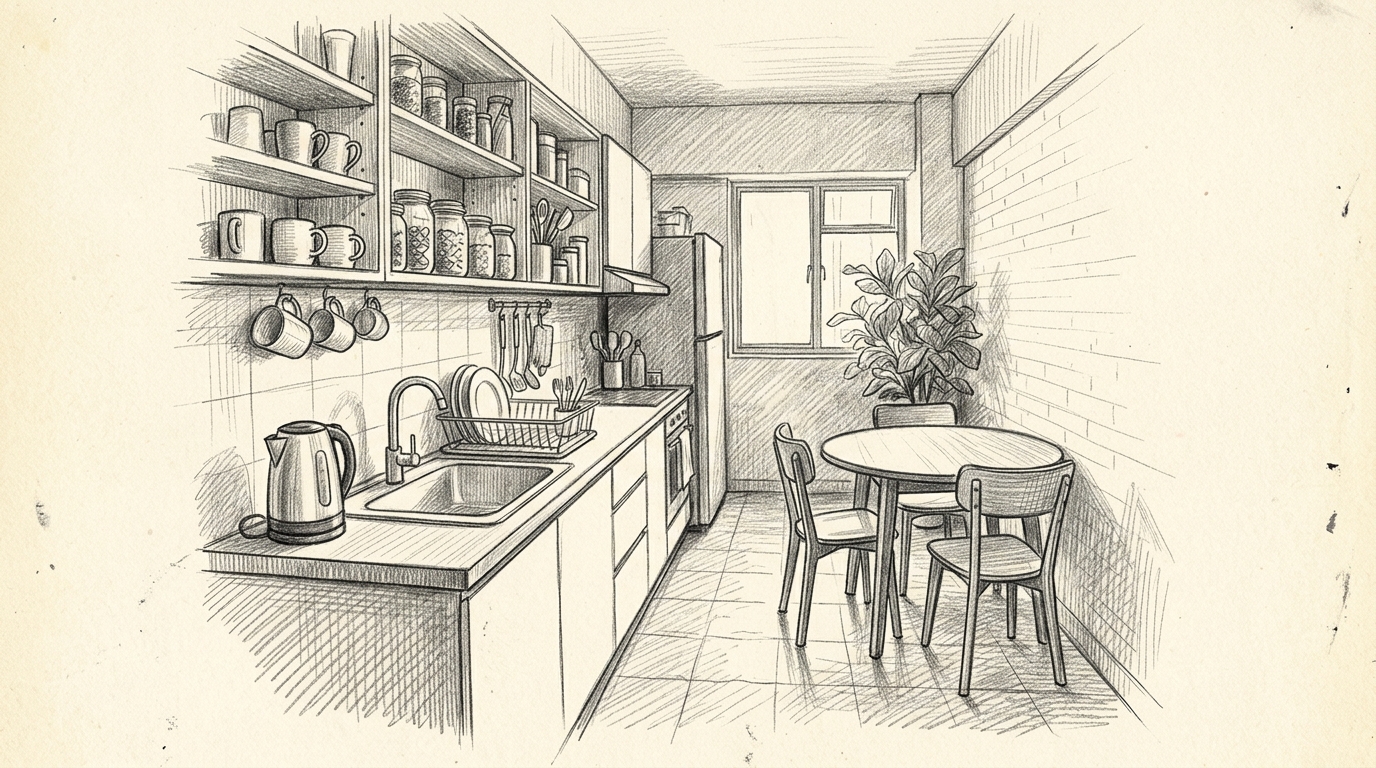
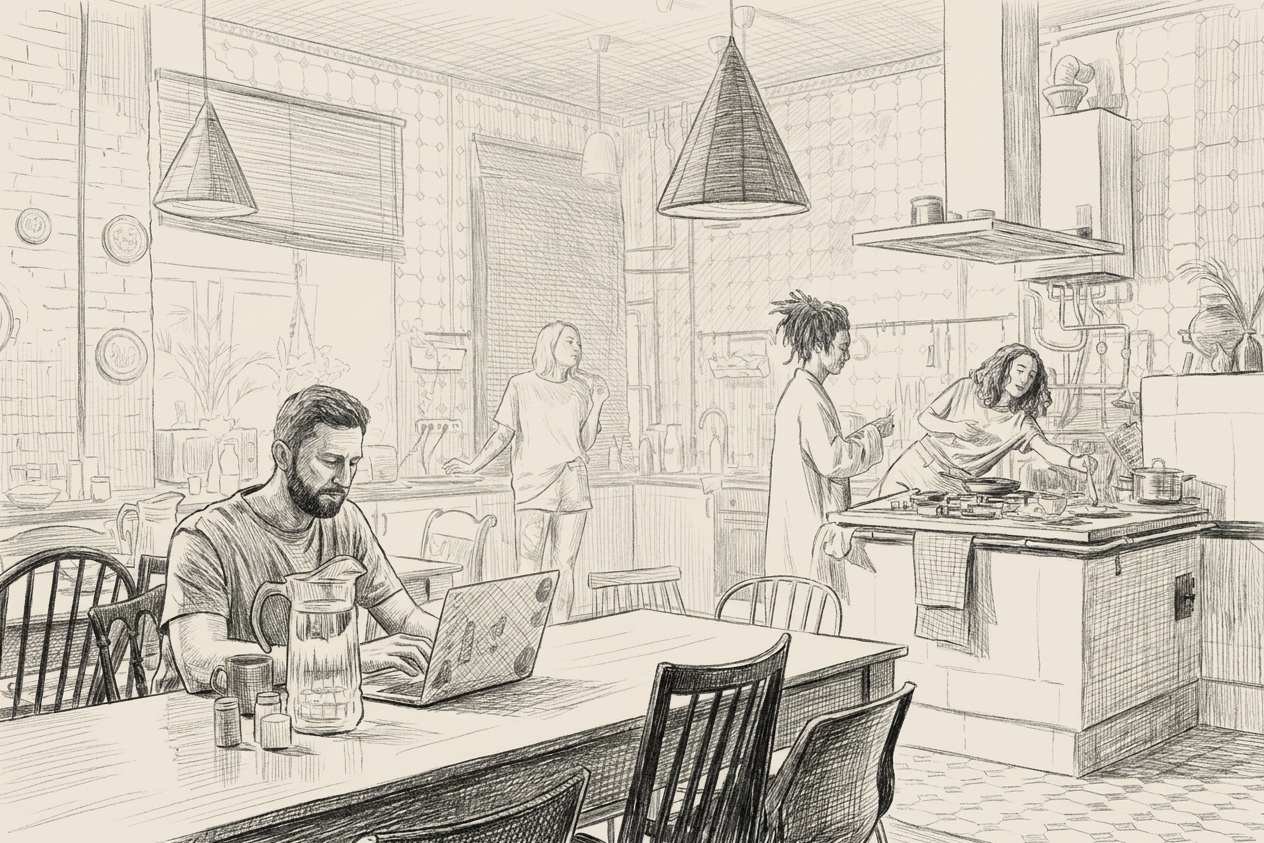
- The kitchen and whether it's shared, and with how many people
- The common living area, and what state it's normally kept in
- The aircon unit turned on, so you can hear it and check it works
- Wifi router location and a quick speed check on their phone
- The route from the room to the front door, and what security looks like
- Any other tenants who happen to be around, even just a wave
- The building entrance and the walk from the nearest MRT or bus stop
If someone hesitates on more than one or two of these, ask why. A legitimate operator has nothing to hide on any of them.
Myth: Photos Are Basically the Same as a Viewing
This is false, and it's the single most expensive misconception in remote renting. Photos are chosen, cropped, and lit to make a room look its best. That's not necessarily dishonest, it's just what listing photos are for. But it means a photo set can't tell you what a room actually feels like, whether the aircon is loud, whether the corridor smells, or whether the "cozy" angle is hiding a room that's genuinely tiny.
A live video call closes most of that gap because you control where the camera points. Nobody can choose a flattering angle for you in real time the way they can curate a photo set in advance. If an operator's whole pitch rests on photos, treat that as a gap to ask about, not a viewing you've already had.
Your First Video Viewing, Structured
If you've never done one of these, here's the order that works. Book a specific time slot in advance rather than a vague "sometime this week", so someone is actually free to walk the room properly. Send your question list beforehand if you can.
Start the call by asking them to walk the route a new tenant would take, from the front door to the room. Then go room by room using the list above, asking follow-up questions as you go. Screen record the call if the platform allows it, so you have something to refer back to.
Close by asking what's included in rent, the notice period, and how the deposit is handled. Get those three answers in writing afterward, even if they were said clearly on the call.
The Mistake That Costs People: Accepting Photos Instead of a Live Walkthrough
The most common way remote renting goes wrong is skipping the video call because photos "looked fine" and the price felt right. It's an easy trap when you're juggling timezones, a job start date, and a dozen other moving pieces. Skipping the call feels like saving an hour. It isn't.
Operators who genuinely have nothing to hide will offer a video call without being asked twice. Refusing a live look at a room, or only ever pointing you back to the same photo set, is a choice worth noticing, not an industry norm you have to accept.
The Remote Viewing Checklist to Run Live
Run through this on the actual call, not after.
- Confirmed this is a live call, not a recording, and you can direct the camera
- Saw the specific room you'd be renting, not a similar or "reference" room
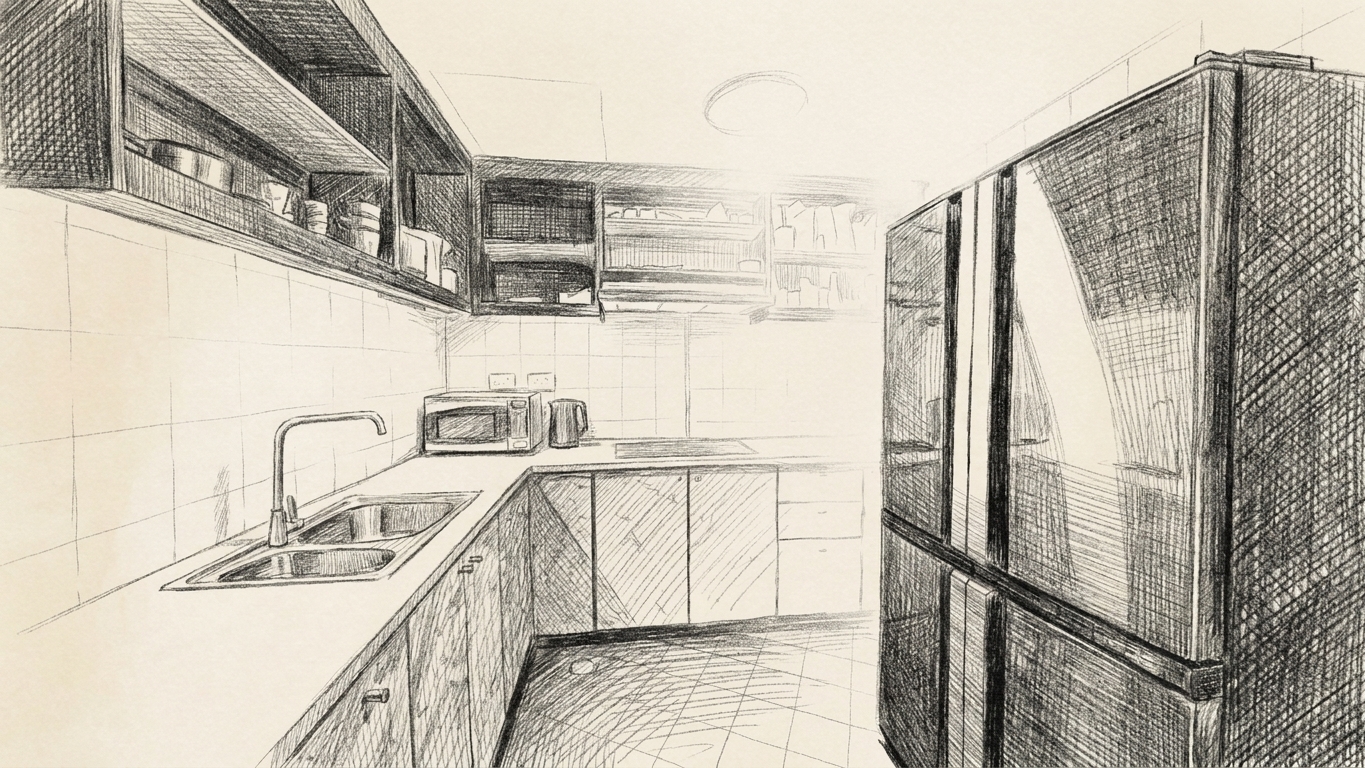
- Saw the bathroom and kitchen that room actually uses
- Saw storage opened, aircon turned on, wifi checked
- Asked who else lives there and got a straight answer
- Confirmed the room against the operator's live availability listing, not a screenshot from weeks ago
- Got rent inclusions, notice period, and deposit terms stated clearly
- Nobody asked for payment before or during the call itself
If every box is ticked, you've done a proper viewing. If two or more are missing, slow down before you commit.
Remote Viewings: Questions From People Who Cannot Fly In
Is a video call viewing legally as good as an in-person one? There's no rule requiring an in-person viewing before you sign a tenancy or licence agreement in Singapore. A video call is a practical substitute, not a legal shortcut, and it gives you most of what an in-person visit would.
What if the operator only offers photos and won't do a call? Ask again, specifying a time that works for you. If they still won't, or keep deflecting with excuses, take that as the answer and look elsewhere. A refusal to show the room live, especially alongside pressure to pay a deposit first, is one of the clearer warning signs in overseas rental scams generally.
Should I ever pay a deposit before any kind of viewing? No. Paying before you've seen the room, live or recorded, removes your only real leverage if something doesn't match what was described.
What can a video call never fully replace? You can't smell the room or judge the neighbourhood noise at 2am over a call. That gap is real, and small enough that most people accept it in exchange for not flying in blind, as long as the call itself was thorough.
Is a virtual tour good enough if a live call isn't possible? A recent, unedited video walkthrough is a reasonable fallback for timezone reasons, but push for a live call first. If only a virtual tour is on offer, ask follow-up questions afterward over video call or voice note rather than accepting it as the final word.
How do I know the video I'm shown is actually current? Ask them to show today's date written on paper on camera, or reference something time-specific like the weather or a delivery outside. It sounds basic, but it rules out an old recycled video in seconds.
Lazybee runs live video viewings for rooms across its Singapore properties, so you can see the actual room before you commit from wherever you are. Current availability is listed at lazybee.sg.
Sources: URA, Short-Term Accommodation guidelines; URA, Renting Property guidelines.