Renting in Singapore From Overseas: What You Can Sign Before You Land
Yes, you can rent Singapore from overseas before you land. Here's what you can legally sign remotely, what to check first, and how to avoid a bad month.
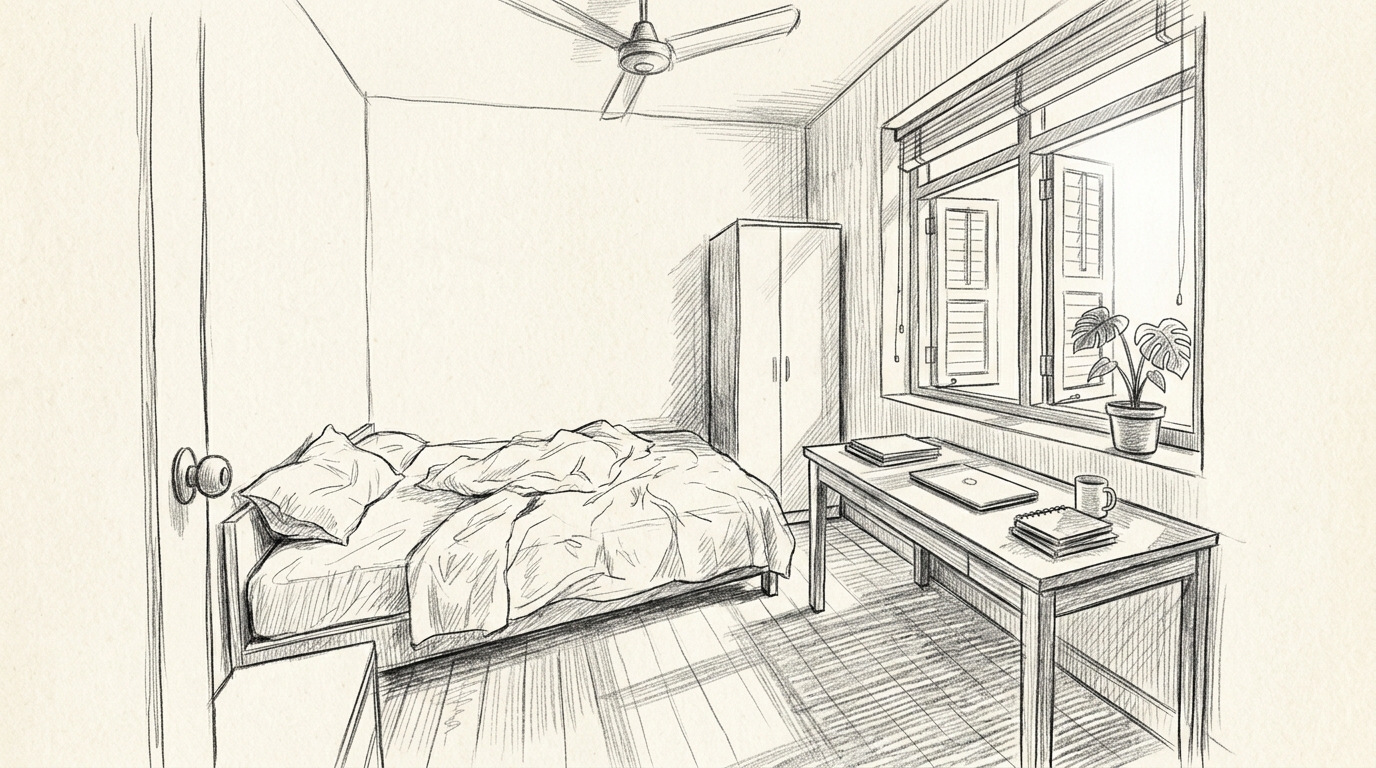
Yes, you can rent a room or unit in Singapore from overseas, and you can sign the agreement before you land. Electronic signatures on tenancy and licence agreements are legally valid under Singapore's Electronic Transactions Act, and stamp duty can be paid online through IRAS. The part you can't do remotely is walk through the room. Everything else, from viewing photos and video to signing the paperwork and paying the deposit, can happen before your flight.
That said, "can" and "should" are different questions. Below is what's actually true, what trips people up, and how to do it without landing into a room you regret.
What Remote Renting in Singapore Actually Involves
Remote renting means completing the booking decision before arrival: reviewing the room over video or photos, agreeing terms, signing the agreement electronically, and paying the deposit or first month's rent from abroad. You then arrive with a room already secured instead of hunting on day one.
This is normal for co-living and single-room rentals, where the operator manages the unit and handles viewings, contracts, and access centrally. It's less common for whole-unit rentals from individual landlords, where paperwork tends to be more ad hoc and less standardised.
Three things make this possible in Singapore specifically. Electronic signatures carry the same legal weight as wet-ink ones for tenancy documents. Rental stamp duty is paid through IRAS's e-Stamping portal, which is an online system, not a counter you queue at. And most co-living operators run their booking, contract, and payment flow through a website rather than a physical office visit.
Remote Rental Practice, Right Now
The mechanics haven't changed much in the last year, but they're more mainstream than they were. Video viewings and digital contracts, which were a pandemic-era workaround, are now just how a lot of co-living bookings happen by default, arrival or no arrival.
One real friction point remains: IRAS e-Stamping is normally accessed through Singpass, and an incoming tenant who has never held a Singapore pass or bank account won't have one yet. That's a genuine gap in the "sign everything from abroad" pitch. Some operators, Lazybee included, handle the stamping step on the tenant's behalf for exactly this reason, so it's worth asking any operator you're booking with whether they cover it or leave it to you.
Payment rails are the other thing worth checking. Not every overseas card or transfer method works cleanly with a Singapore-based landlord or platform, so confirm accepted payment methods before you're mid-booking and stuck.

Signing Remotely vs Waiting to View in Person
| Sign remotely before arrival | Wait to view in person | |
|---|---|---|
| Room secured before flight | Yes | No, you're hunting on arrival |
| Risk of surprises on move-in | Higher if research is thin | Lower, you saw it yourself |
| Time pressure | None, decide on your own schedule | High, hotel costs stack up while you search |
| Best suited to | Co-living rooms, standardised units, photo/video-heavy listings | Whole units, older buildings, landlords who won't do video |
| Deposit risk | Real if you skip verification | Lower, you're paying after seeing it |
Neither option is universally right. Remote signing suits a standardised room with good photos, a video walkthrough, and a real operator behind it. In-person viewing earns its keep for unusual units, older walk-ups, or a landlord who's reluctant to show the place any other way.
Renting From Abroad: The First Timer's Guide
If this is your first time doing any of this, here's the order that actually works.
Start with the listing, not the landlord. Read every line of the room or unit description, not just the price and photos. Note what's included: utilities, wifi, cleaning, aircon servicing. Ask for anything unclear before you commit, not after you've paid.
Ask for video, not just photos. A short walkthrough video, even a rough phone recording, tells you more than a dozen staged photos. If nobody will send one, treat that as information.
Check who you're actually dealing with. A registered operator with a real office and other listings is a different risk profile from a private individual you found on a classifieds app with one listing and no other footprint.
Understand the agreement before signing it. Room rentals with an operator are usually a licence agreement, not a formal tenancy lease, and the two carry different obligations. Read the notice period, the deposit terms, and what happens if your circumstances change before you sign anything.
Pay through a traceable method. Bank transfer or a platform's built-in payment system leaves a paper trail. Cash-only requests from someone you've never met, sent to a personal account, should slow you down.
Confirm the move-in process. You need to know exactly how you get in on day one: who meets you, or where the access code or key comes from, and what to do if your flight is delayed.
The Mistake That Ruins This: Paying a Deposit to an Address You've Never Seen
The single most common way this goes wrong is sending a deposit for a room based on photos alone, to a landlord you've never spoken with beyond WhatsApp, without asking a single verifying question. If the price is unusually low, the photos look reused across other listings, or the person avoids a video call, stop before you pay anything.
A legitimate operator will happily do a video call, confirm room availability against a live booking system, and explain exactly what your deposit covers and when it's refundable. If any of that gets vague or evasive, treat it as your answer.
Myth: You Must Be in Singapore to Sign a Lease
This is false, and it's one of the most persistent myths new arrivals carry. Nothing in Singapore law requires you to be physically present to sign a tenancy or licence agreement. Electronic signatures are recognised, and stamp duty payment is an online process.
The myth probably survives because plenty of individual landlords, especially for whole-unit rentals, still insist on meeting in person out of habit or personal preference, not legal requirement. That's their choice to make, but it's not a rule you're bound by everywhere.
The Pre-Arrival Checklist That Prevents a Bad Month
- Confirm the exact room or unit against a live availability system, not a screenshot someone sent you weeks ago
- Get a video walkthrough, or at minimum a recent, unedited photo set
- Ask what's included in rent: utilities, wifi, cleaning, aircon servicing
- Confirm who handles stamp duty, and how, if you don't yet have Singpass
- Confirm accepted payment methods work from your current country
- Get the move-in process in writing: access method, who meets you, backup plan for a delayed flight
- Read the notice period and deposit refund terms before signing
- Save every confirmation, receipt, and signed document in one place before you fly

What a Remote Signing Typically Looks Like
Here's an illustrative example of how this usually plays out, not a specific tenant's story. Someone based in London finds a room through an operator's website, watches the video walkthrough, and has a few questions answered over WhatsApp. They sign the licence agreement electronically, pay the deposit and first month by bank transfer, and the operator handles the IRAS stamping since the tenant doesn't have Singpass yet. Three weeks later they land, get their door code the same day, and move straight in.
What made it work wasn't luck. It was a real operator, a live availability check, a video instead of just photos, and a paper trail on every payment. Remove any one of those and the same story turns into a cautionary one.
Remote Renting: Questions We Get From Every Timezone
Can I really sign a tenancy agreement before I've set foot in Singapore? Yes. Electronic signatures on tenancy and licence agreements are legally valid in Singapore.
Do I need Singpass to rent from abroad? Not to sign the agreement itself. You may need it, or need an operator to handle it for you, for the IRAS stamp duty step if you don't have one yet.
Is a deposit paid before I arrive safe? It can be, if you're paying a verified operator through a traceable method, against a room confirmed in a live availability system. It is not safe when paid on trust alone to an unverified individual.
What can't I do remotely? You can't physically inspect the room's condition, test the wifi speed yourself, or walk the neighbourhood. A video walkthrough and a real operator narrow that gap, but it doesn't fully close it.
Should I ever wait and view in person instead? If the unit is unusual, the landlord won't provide video, or something about the listing feels inconsistent, waiting to view in person is the safer call, even if it costs a few extra hotel nights.
Does signing remotely cost more than signing in person? No. It's the same room at the same rate. The only cost difference is your own risk if you skip the verification steps above.
Booking from abroad is common practice for Lazybee's rooms, and remote signing is supported where a tenant needs it. Current room availability is always listed at lazybee.sg, so you can check what's actually open before you commit to anything.
Sources: IRAS, Stamp duty on renting a property; IRAS, Stamping a lease or tenancy.