Housing for Students on Odd-Hour Lab or Clinical Schedules
Housing advice for students on clinical, lab or studio schedules that don't run 9 to 5. What actually matters: transport links, not campus distance.
If your schedule doesn't run 9 to 5, the room you pick should be judged on two things above all else: how safely and easily you can get home at 2am or 6am, and how little your comings and goings disturb the people you live with. Campus distance matters less than most students assume. A room 20 minutes from campus on a direct MRT line beats a room 8 minutes away that needs two buses and a dark walk, every time your shift ends at an hour the timetable didn't plan for.
This covers students whose hours genuinely don't match a normal day: medical and nursing students on clinical rotations, architecture students in studio the night before a crit, engineering students chasing an FYP deadline, science students running experiments on a timer that doesn't care what time it is. The specifics differ by course, but the housing problem is the same: move safely at hours transport wasn't really built for, and live with people who aren't on your clock.
Why transport links matter more than campus distance
A room right next to your faculty building is only useful during the hours that building is easy to reach. Outside normal service hours, "close to campus" and "close to a working transport link" stop being the same thing.
Singapore's MRT network runs from around 5:30am to about midnight most days, with hours sometimes extended on the eve of public holidays and during festive periods. Outside that window, the train simply isn't running, regardless of how close your room is to the station. A room 3 minutes from an MRT station that's shut is worse than a room 15 minutes from a station that's open, if you're walking in at 11:45pm.
The other factor is which line you're on. A room near an interchange, where two or more lines meet, gives you more routing options if one line has a late-night disruption. A room on a single line with no interchange nearby is more exposed if that line has an issue on the one night you need to get home.
So the real question before signing anything isn't "how far is this from my faculty." It's "what time does my nearest station close, is it an interchange, and what happens after that."
What actually happens after the MRT stops running
This is worth being blunt about, because some older housing guides still describe a network of public night buses that isn't there anymore. Singapore used to run NightRider and Nite Owl overnight bus services on Friday and Saturday nights. Both were suspended during the pandemic and formally discontinued in June 2022, and haven't been replaced by an equivalent public network. A small private operator has since run a couple of limited night routes, but that's not something to plan a 3am commute around.
In practice, once the MRT stops for the night, your realistic options are ride-hailing (Grab, Gojek), a taxi, or a private arrangement with someone who has a car. All three run 24 hours, which is the good news. But they cost money every trip, and price surges hardest exactly when you need them most: post-midnight, in bad weather, right after a big event lets out. If your rotation or studio schedule regularly has you finishing after midnight, factor that recurring cost into your budget the same way you'd factor in rent.
| Time you finish | What is actually running | What it costs |
|---|---|---|
| Before roughly midnight | MRT, running from around 5:30am to about midnight most days, with hours sometimes extended on the eve of public holidays and during festive periods | Standard fare |
| After the MRT stops | Ride-hailing (Grab, Gojek), taxis, or a private arrangement with someone who has a car. All run 24 hours | Money every trip, surging hardest post-midnight, in bad weather, and right after a big event lets out |
| Public night buses | None. NightRider and Nite Owl were suspended during the pandemic and formally discontinued in June 2022, with no equivalent public replacement | A small private operator runs a couple of limited routes, not something to plan a 3am commute around |
This is also why the transport-link point above matters so much. The later you're likely to be moving, the more your realistic commute is "how close am I to a spot where a ride-hail car can actually reach me quickly and safely," not "how close am I to my lecture theatre."
Getting home safely at odd hours
A few things are worth building into your routine if 2am and 3am arrivals are a regular part of your week, not a one-off.
Pick a well-lit route, not just a short one. The shortest walk from a station or drop-off point to your front door isn't always the one with the most streetlight coverage or the most foot traffic. Walk the actual route once during the day and once at night before you commit to a room, and judge it on how it feels at the hour you'll actually be using it.
Share your location on the way home. A quick "leaving now, ETA 20 min" to a housemate or friend costs nothing and means someone notices if you don't arrive.
Check the building's access at odd hours. Some buildings have a guard post that isn't staffed overnight. Know before move-in whether your access card or door code works the same at 3am as at 3pm, and whether the lift and corridors stay lit that late.
Keep ride-hailing apps set up in advance, with a saved home address and a payment method that works without you fumbling for it half asleep after a 14-hour shift.
| Habit | Why |
|---|---|
| Pick a well-lit route, not just a short one | The shortest walk is not always the one with streetlight coverage or foot traffic. Walk it once by day and once at night before committing |
| Share your location on the way home | A "leaving now, ETA 20 min" costs nothing and means someone notices if you do not arrive |
| Check building access at odd hours | Some guard posts are not staffed overnight. Confirm your card or code works at 3am as at 3pm, and that lifts and corridors stay lit |
| Keep ride-hailing set up in advance | Saved home address and a working payment method, so you are not fumbling half asleep after a 14-hour shift |
Living with people who aren't on your schedule
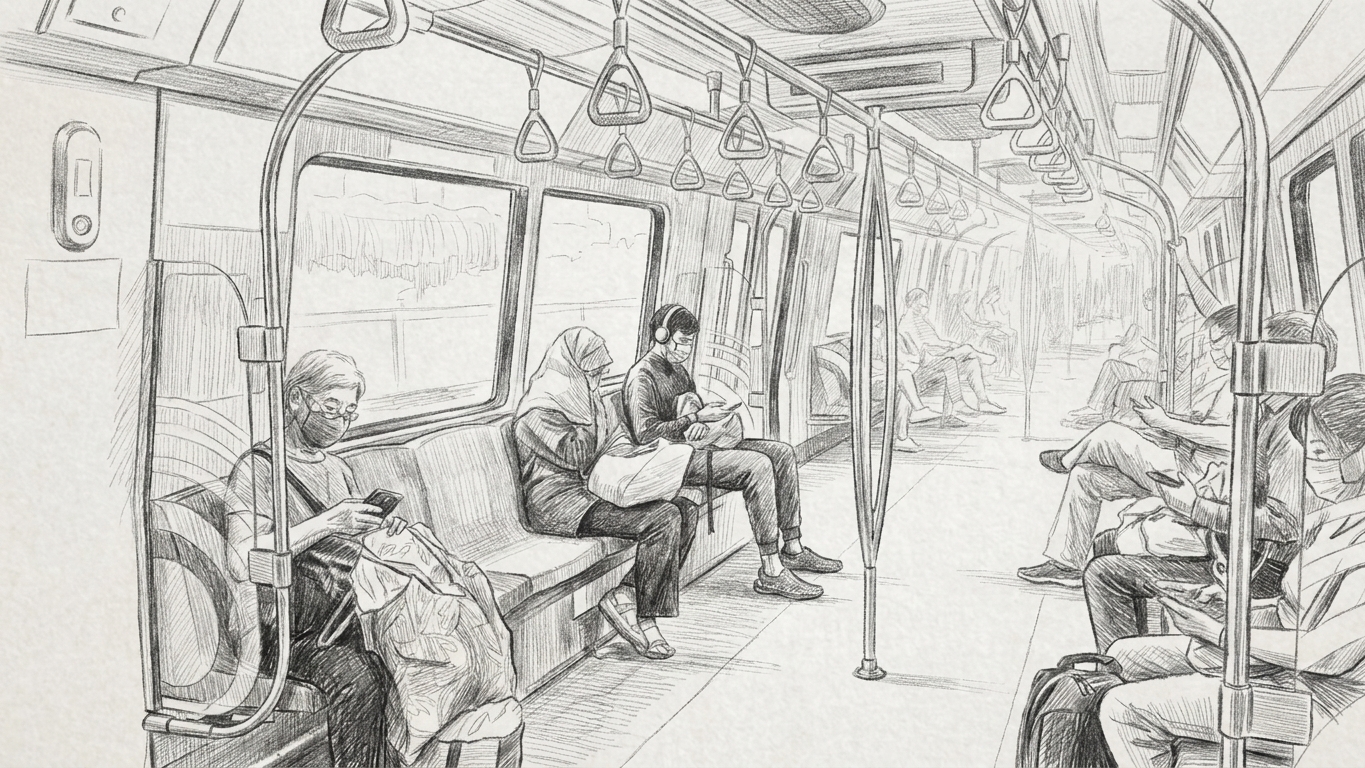
The other half of this is inside the house. If you're coming home at 3am two or three nights a week, the impact on your housemates is real, and it's worth being upfront about managing it rather than hoping nobody notices.
Noise on arrival. Front doors, kitchen cupboards, and running water carry more than you'd think in a quiet house at 3am. A little care on entry, softly closing doors, not turning on overhead lights in shared spaces, using a phone torch instead, goes a long way.
Light discipline. If your room is next to or above someone else's, closing your door before switching on your own light stops a hallway or ceiling glow from waking a housemate who's on a normal schedule.
A general house norm helps. Co-living houses that work well for shift workers and rotation students usually have an unspoken understanding that odd hours happen, in exchange for the returning person keeping noise and light to a minimum. Raising this early with housemates, rather than after a complaint, sets the tone.
Where your room sits in the house matters. A room near the front door and away from shared walls with light sleepers is a genuinely easier fit for anyone on irregular hours than a room deep in the house next to someone who's up at 7am every day.
What to actually check before signing
- What time does the nearest MRT station close, and is it an interchange with more than one line
- What are realistic ride-hailing costs and wait times from this address at 2 to 3am
- Is the route from the drop-off point to the front door well-lit
- Does building access (card, code, lift) work the same overnight as during the day
- Where is the room positioned in the house relative to the front door and to other bedrooms
- Have you asked current housemates, if you can, how the house handles someone coming and going at odd hours
- Is move-in timing flexible enough to match when your rotation, studio block, or lab placement actually starts
| Check | What you are looking for |
|---|---|
| Nearest MRT closing time, and whether it is an interchange | More than one line means routing options if there is a late-night disruption |
| Ride-hailing cost and wait time from this address at 2 to 3am | A recurring budget line, not a one-off |
| The route from drop-off point to front door | Lit, and busy enough not to feel deserted |
| Overnight building access | Card, code and lift all working the same as by day |
| Where the room sits in the house | Near the front door and away from shared walls with light sleepers is a genuinely easier fit |
| How the house handles odd hours | Ask current housemates if you can |
| Move-in timing | Flexible enough to match when your rotation, studio block or lab placement actually starts |
Which course are you on?
The transport and household points above apply broadly, but each field has its own specific rhythm worth reading up on directly. If you're on a medical programme, our guide to housing for medical students on clinical rotation schedules in Singapore goes into ward hours, hospital postings, and what changes rotation to rotation. Nursing students should see housing for nursing students on clinical placement in Singapore for placement-specific detail.
Architecture students pulling studio all-nighters before a crit will find more depth in housing for architecture students working late studio hours, and engineering students deep in lab work or an FYP crunch should read housing for engineering students near campus labs.
Where this points you, room-wise
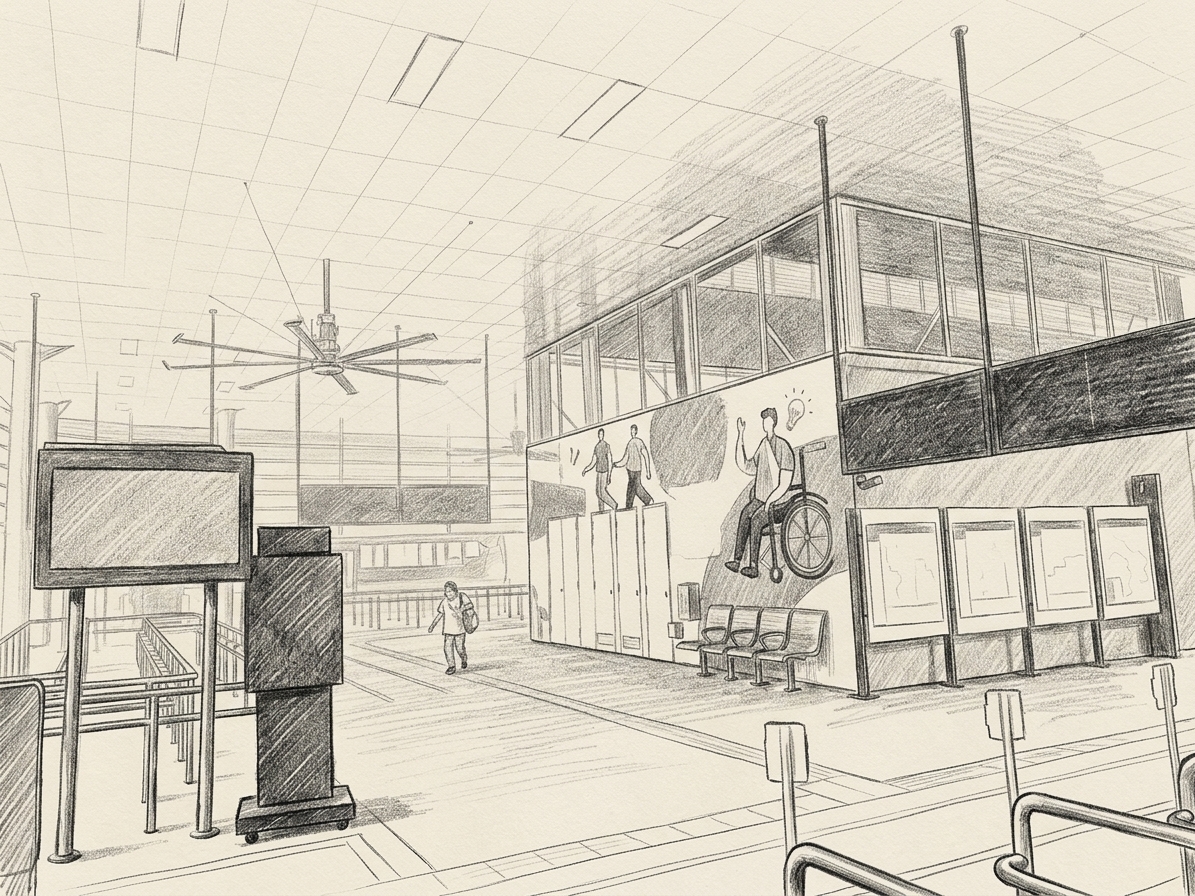
None of Lazybee's three houses sit directly on campus, and that's not a downside for this group specifically. Chiltern Park in Serangoon sits close to both Lorong Chuan MRT and the Serangoon interchange, giving you two lines and more routing options if one has an issue. Ivory Heights in Jurong East sits near a major interchange with heavy foot traffic and lighting even late, useful if you want a route that never feels deserted. Thomson Grove near Lentor is the quietest of the three, worth weighing against the interchange access of the other two if you specifically want fewer people around when you're on an odd schedule.
| Lazybee house | Transport position | Best for |
|---|---|---|
| Chiltern Park, Serangoon | Close to both Lorong Chuan MRT and the Serangoon interchange | Two lines, so more routing options if one has an issue |
| Ivory Heights, Jurong East | Near a major interchange with heavy foot traffic and lighting even late | A route that never feels deserted |
| Thomson Grove, near Lentor | The quietest of the three | Fewer people around, weighed against the interchange access of the other two |
Full detail on all three houses is in our guide to Chiltern Park, Ivory Heights and Thomson Grove. Current room availability and pricing lives on lazybee.sg, and it changes as people move in and out, so check there directly before deciding rather than relying on anything written here. If you want to see a room and walk its actual route to the nearest station before you commit, book a viewing through the site.
Frequently asked questions
Is it safe to commute home alone at 2 or 3am in Singapore? Singapore is generally considered safe for late-night travel, but "generally safe" isn't the same as "identical to daytime." Well-lit, busier routes near an MRT interchange are a meaningfully better choice than a quiet back street, and sharing your location with someone on the way home costs nothing.
Does the MRT run all night? No. Singapore's MRT runs roughly 5:30am to about midnight, with occasional extended hours on the eve of public holidays. It does not run overnight as standard.
Is there a night bus service in Singapore? The public NightRider and Nite Owl night bus services were discontinued in June 2022 and haven't been replaced by an equivalent network. After the MRT stops, ride-hailing and taxis are the realistic options.
Should I prioritise a room close to campus or close to an MRT interchange? For odd-hour schedules, prioritise the interchange. A room slightly further from your faculty building but close to a station with multiple lines gives you more reliable options when your hours don't match normal service times.
How do I bring up odd-hour noise with housemates without it being awkward? Raise it early, before it's ever been a problem, rather than after a complaint. Most housemates are reasonable about a few late arrivals a week if you're visibly making an effort to keep noise and light down, and if you'd extend the same courtesy to them.
Sources: ICA, Apply for a Student's Pass; URA, Short-Term Accommodation guidelines; URA, Renting Property guidelines; HDB, Renting out bedrooms: regulations.