Housing for Medical Students on Clinical Rotation Schedules in Singapore
NUS and NTU medical students rotate hospitals across Singapore every few weeks. Why a central, well-connected base beats chasing each posting.
If you're a medical student at NUS or NTU, the housing question isn't "which hospital am I near." It's "which hospital am I near this month, and where will I be posted next." Clinical rotations move you between restructured hospitals across the island every few weeks to a few months, so a room picked for proximity to one hospital stops working the moment your posting changes. The fix most students land on is a central, well-connected home base near their school campus, not a room chosen for whichever hospital they happen to be at right now.
This piece covers the actual structure behind that problem: how NUS and NTU run clinical rotations, which hospitals you'll cycle through, and why odd hours make transport connectivity matter more than raw distance to any single site.
How clinical rotations actually work at NUS and NTU
NUS's Yong Loo Lin School of Medicine sits at Kent Ridge, on NUS's main campus. Its principal teaching hospital is the National University Hospital (NUH), also at Kent Ridge, and NUS Medicine is a founding member of the National University Health System (NUHS) cluster, which also runs Alexandra Hospital in Queenstown and Ng Teng Fong General Hospital out at JurongHealth Campus.
NTU's Lee Kong Chian School of Medicine (LKCMedicine) is based at the Novena campus, 11 Mandalay Road, a fair distance from NTU's main Jurong West campus. Its primary clinical partner is the National Healthcare Group (NHG), whose hospitals include Tan Tock Seng Hospital (Novena) and Khoo Teck Puat Hospital (Yishun).
Both programmes describe the clinical years the same way once you get past the branding: years spent immersed with clinical teams "across Singapore," rotating through core postings in medicine and surgery, then a run of shorter specialty postings in obstetrics, paediatrics, psychiatry, emergency medicine, and more. The exact hospital for a given posting depends on availability and your specific rotation block, and it changes.
The hospitals you'll actually rotate through
Singapore runs its public hospitals across three clusters, and postings for both schools' students draw from across all of them, not just the cluster attached to their home campus. That's the whole reason a fixed location doesn't hold up. Here's the rough geography:
| Hospital | Cluster | Roughly where |
|---|---|---|
| National University Hospital (NUH) | NUHS | Kent Ridge, west |
| Alexandra Hospital | NUHS | Queenstown, southwest |
| Ng Teng Fong General Hospital | NUHS | Jurong, west |
| Singapore General Hospital (SGH) | SingHealth | Outram, south central |
| Changi General Hospital (CGH) | SingHealth | Simei, east |
| Sengkang General Hospital | SingHealth | Sengkang, northeast |
| KK Women's and Children's Hospital | SingHealth | Kampong Java, central |
| Tan Tock Seng Hospital (TTSH) | NHG | Novena, central |
| Khoo Teck Puat Hospital (KTPH) | NHG | Yishun, north |
| Woodlands Health | NHG | Woodlands, north |
Look at the spread. West, south, east, north, and central, all in play over the course of a clinical rotation cycle. A room five minutes from NUH is a great setup for the block you're posted there, and a dead weight commute for the block you're posted to Changi General or KTPH.
Why housing near one hospital breaks down by month three
The instinct when you first start clinical years is to house-hunt around wherever your first posting lands you. It feels efficient. It stops being efficient the moment your rotation changes, typically every few weeks to a couple of months depending on the posting length.
At that point you're either moving house mid-degree, which is expensive and disruptive, or you're commuting from one side of the island to a hospital on the other, which eats into sleep you already don't have much of. Neither is a good trade for a semester's rent savings.
The better approach almost every senior student ends up recommending to juniors: pick a base near your actual campus (Kent Ridge for NUS, Novena for NTU), on a well-connected MRT line, and accept that some rotation blocks mean a longer commute. You're optimising for the average across the whole clinical years, not the best case for any single posting.
Odd hours make location matter more than distance
Clinical rotations run on hospital time, not lecture time. Early rounds before 7am, on-call shifts that run overnight, and post-call mornings where you're heading home exhausted rather than to class are all normal parts of the schedule. That changes what "good location" means.
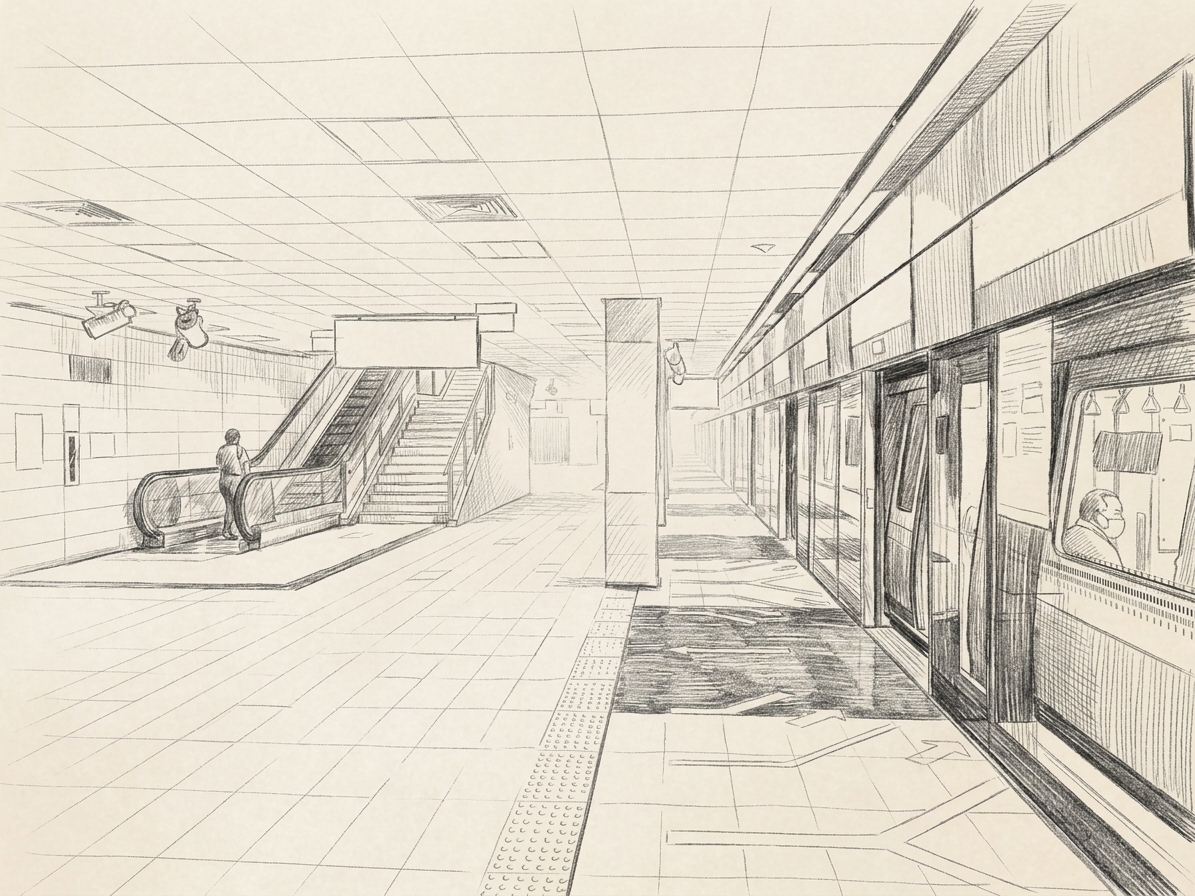
A room that's technically closer to a hospital but sits down an unlit lane with no late-night transport is worse than a room ten minutes further out on a well-lit street near an MRT station that still runs when you're getting off a night shift. Safety and connectivity at 6am and midnight matter more than the number on Google Maps.
This is a pattern that isn't unique to medicine. Anyone on an odd-hours schedule, lab researchers, nursing students, architecture students pulling all-nighters, ends up prioritising the same things. Our guide to housing for students on odd-hour lab or clinical schedules goes deeper on what to look for generally: transport at unusual hours, noise and light discipline for daytime sleep, and roommate schedules that don't clash with yours. Worth a read alongside this one.
What to actually look for in a home base during rotations
A few things matter more than proximity to any one hospital:
- A campus-anchored location. Kent Ridge for NUS, Novena for NTU. You'll be back at school for lectures, exams, and admin even during clinical years, so this is the one constant.
- MRT access on more than one line, or an easy bus connection to one. Rotations rotate. A location with only one route to the rest of the island turns every posting change into a longer, more fragile commute.
- Genuinely 24-hour transport or a safe walk to it. On-call shifts don't respect the last train home. Check what actually runs at 5am and midnight, not just the daytime schedule.
- A room, not a whole flat you have to run. Clinical years leave little time or energy for chasing landlords about a broken aircon or a late utilities bill. A furnished, all-inclusive room removes that admin entirely.
- Flexibility on lease length. Electives, an overseas exchange, or a Student Assistantship Programme near the end of the degree can shift your Singapore base for a stretch. A lease that doesn't lock you in for years is worth more than it looks on paper.
For the commute math specifically, our commute times from co-living rooms to NUS, NTU, SMU, and SIT guide breaks down real travel times by MRT line, and the Novena and Newton renters' guide is useful if you're weighing a base near NTU's medicine campus specifically.
Medicine isn't the only degree that rotates
Nursing students also do clinical placements across Singapore's hospitals, but through a different placement system, different hospital sites, and often different shift patterns from medical clerkships. If nursing is your situation rather than medicine, our separate guide on housing for nursing students on clinical placement in Singapore covers that system on its own terms rather than lumping it in here.
The throughline for both degrees, and for medicine specifically, is the same: don't optimise your housing for the hospital you're at this month. Optimise for the one thing that doesn't change, which is your school campus and how well connected your room is to the rest of the island.
Where this leaves you
If you're weighing where to live for the next few years of clinical years, the short version is: stay central, stay connected, and don't chase individual rotations around the map. Lazybee runs furnished, all-inclusive co-living rooms across Singapore with flexible lease terms, which removes a lot of the setup admin that a shifting clinical schedule leaves no time for. You can see current room availability at lazybee.sg or book a viewing directly if you want to see a room in person before your rotations start.
FAQ
Do NUS and NTU medical students rotate through the same hospitals? No. NUS Medicine's home cluster is NUHS (NUH, Alexandra Hospital, Ng Teng Fong General Hospital), while NTU's LKCMedicine partners primarily with NHG (Tan Tock Seng Hospital, Khoo Teck Puat Hospital, Woodlands Health). Both schools' students also rotate through hospitals outside their home cluster for specific specialty postings, since Singapore's public hospitals sit across three clusters in total.
How often do clinical rotations change hospitals? It varies by posting and by year, but core postings and specialty postings typically run from a few weeks to a couple of months each, which means a student's rotation hospital changes multiple times across a clinical year.
Should I move house every time my rotation changes? Most students don't, and senior students generally advise against it. A central base near your school campus with good transport links handles a longer commute for some blocks better than repeated moves handle the cost and disruption of relocating each rotation.
Is housing near NUH or TTSH enough for the whole clinical years? Only for the postings actually based there. Since rotations move across NUHS, NHG, and SingHealth hospitals over the course of clinical years, a room near one hospital works well for one stretch and poorly for others.
Sources: ICA, Apply for a Student's Pass; URA, Short-Term Accommodation guidelines; URA, Renting Property guidelines; HDB, Renting out bedrooms: regulations.