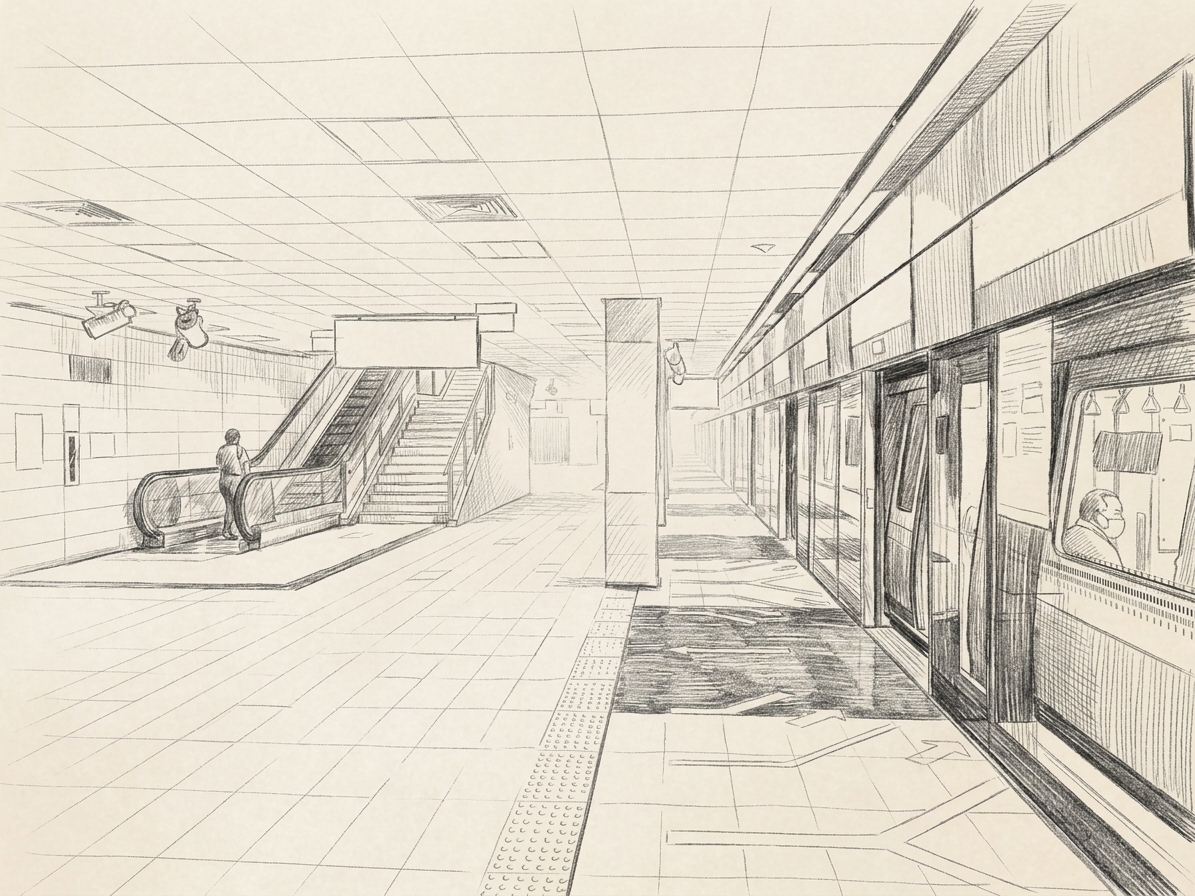
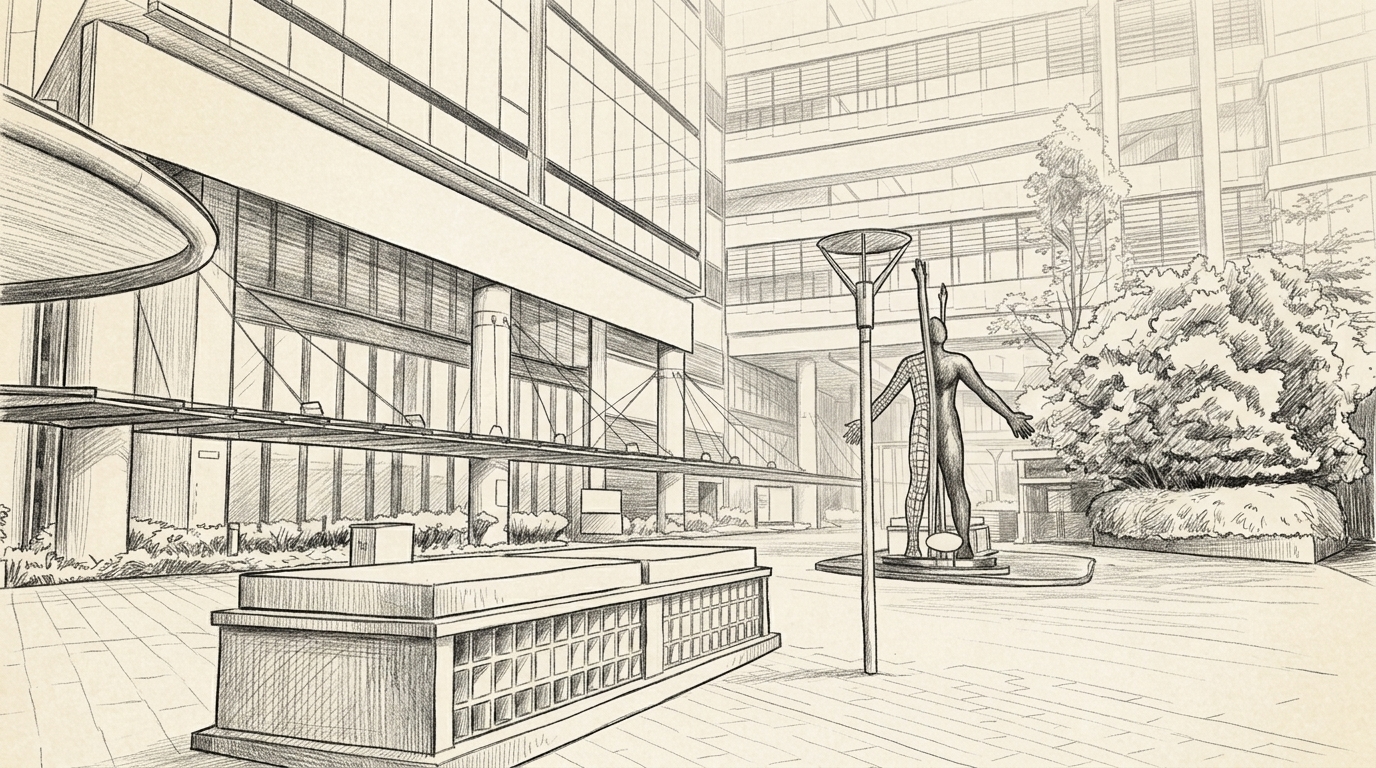
Housing for Architecture Students Working Late Studio Hours
Architecture studio runs on crit deadlines and all-nighters. What actually works for housing when your hours don't match a normal roommate's.
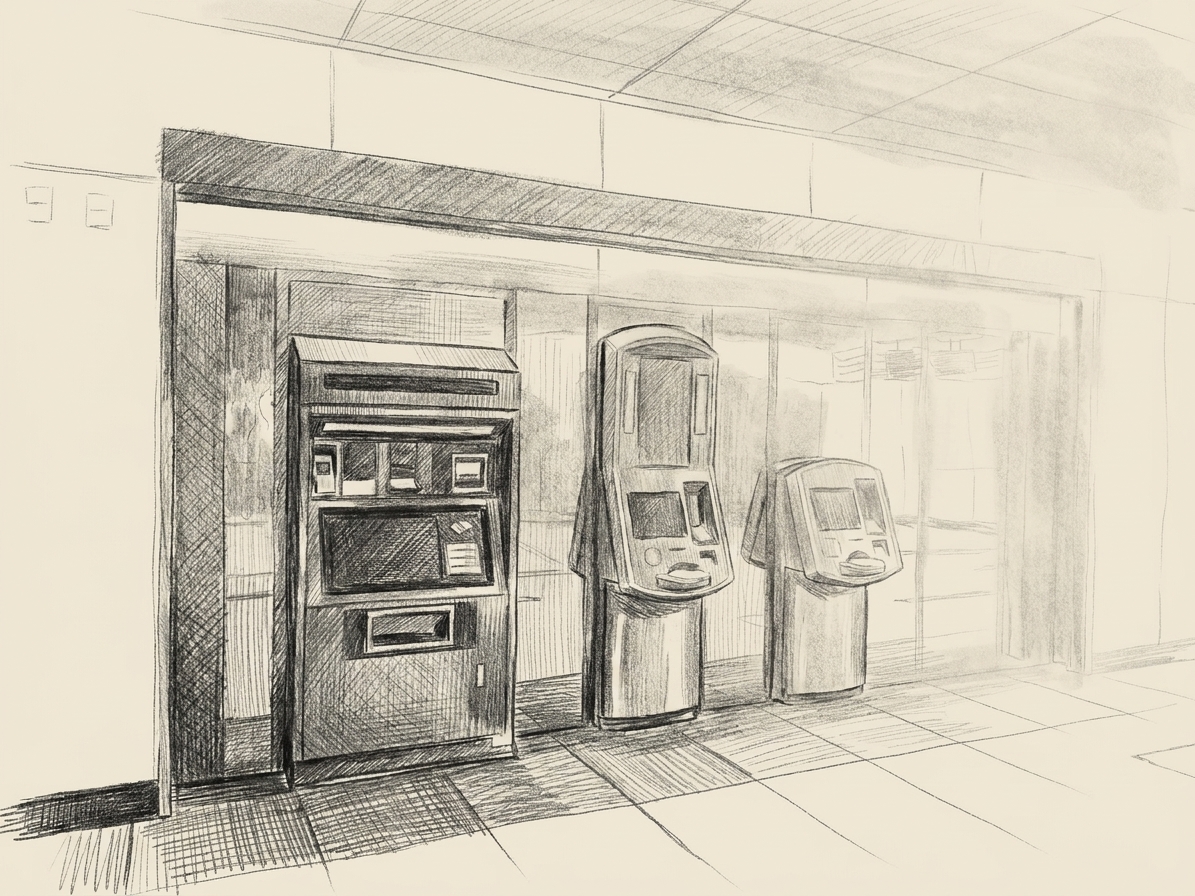
Architecture students need housing that survives a schedule nobody else on campus keeps: studio access at odd hours, physical model parts that have to travel home intact, and stretches before a crit where you're barely sleeping. The right setup is a private room close enough to campus to make a 2am trip home worth it, with no roommate whose sleep you're wrecking three times a semester and somewhere to actually store what you've built. That's a different brief from ordinary student housing, and most guides don't write to it.
This piece is for NUS architecture students at Kent Ridge and anyone in an architecture-adjacent design programme elsewhere in Singapore, dealing with the same core problem: studio hours that don't match a 9-to-5 flatmate's, and a workload that's physical as much as digital.
What Makes Architecture Studio Different From Other Coursework
Most degrees are readings, problem sets, maybe a lab slot twice a week. Architecture studio is a standing commitment, usually several afternoons a week minimum, that expands to fill whatever time is left before a deadline. The studio itself, not the library or a lecture hall, is where the actual work happens: pinning up drawings, cutting models, laying out boards for a desk crit with your tutor.
That structure means the workload doesn't spread evenly across the semester. It spikes hard around submission dates and crit reviews, and during those spikes, the studio is where you are, at whatever hour that turns out to be.
Why All-Nighters Before a Crit Are Basically Built Into the System
A crit, short for critique, is the review where you present a project to a panel of tutors and sometimes outside critics, who pull it apart in front of the rest of the studio. It's the format architecture education has run on for decades, everywhere, not just here. Preparing for one means finishing drawings, printing boards, and getting a physical model to a presentable state, all at once, right up against the deadline.
The predictable result is a run of very late nights, often an actual all-nighter, in the day or two before a crit. This isn't a one-off bad week. It repeats every crit cycle, which for most studio modules means multiple times a semester. If your living situation only works on the assumption of a normal sleep schedule, it's going to break down repeatedly, not once.
Why 24-Hour Studio Access Matters More Than the Building Itself
Because the work compresses right up to the deadline, architecture schools widely give students extended or round-the-clock access to studio space, particularly in the run-up to reviews, so students aren't locked out mid-model at midnight. This is close to standard practice in architecture education generally, though exact access hours and any restricted periods vary by school and by semester, so it's worth confirming directly with your own department rather than assuming a blanket policy.
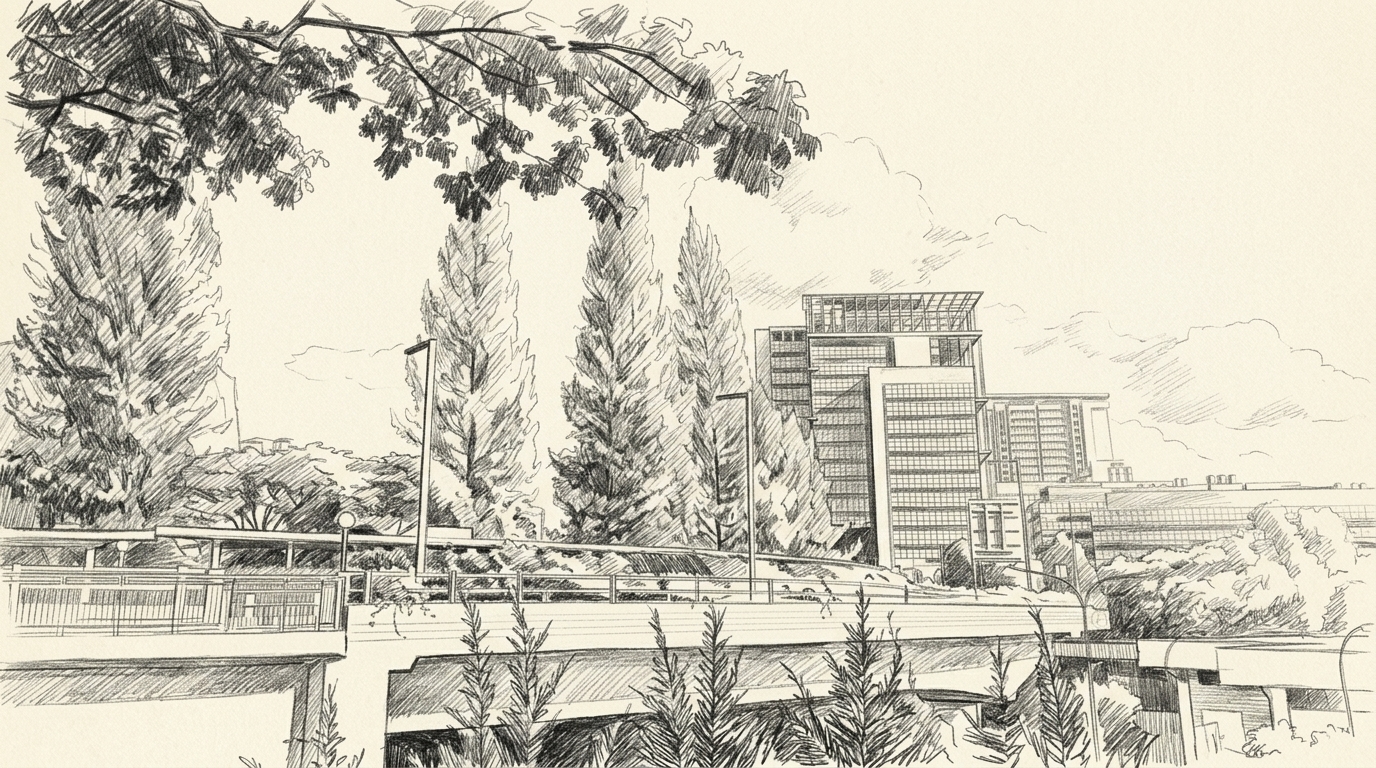
What that means for housing is simple: your commute to studio isn't a fixed once-a-day trip. It can be a 1am trip home after a working session, or a 6am trip back in for a review. A room that's a reasonable ride from campus on a normal day can be a genuinely bad idea at 2am, when trains have stopped and a taxi is the only option. Distance and safety at odd hours matter more here than they do for a student on a standard timetable.
The Physical Side: Why Model-Building Changes What You Need From a Room
Architecture hasn't gone fully digital, whatever the render software suggests. Physical models are still a core deliverable, alongside drawings and digital work, and building one means glue, blades, offcuts, and dust that a laptop-only student never deals with.
That has a few direct housing implications:
- You need somewhere to store a half-finished model that isn't going to get knocked over or thrown out by someone who doesn't know what it is.
- You'll be carrying awkward, sometimes fragile things between studio and home, chipboard, foam board, sometimes a full presentation model, which is another reason distance from campus matters.
- Cutting mats, glue, and offcuts are part of your normal routine, not a rare mess. A shared space with strict house rules around clutter and smells can get tense fast during crit weeks.
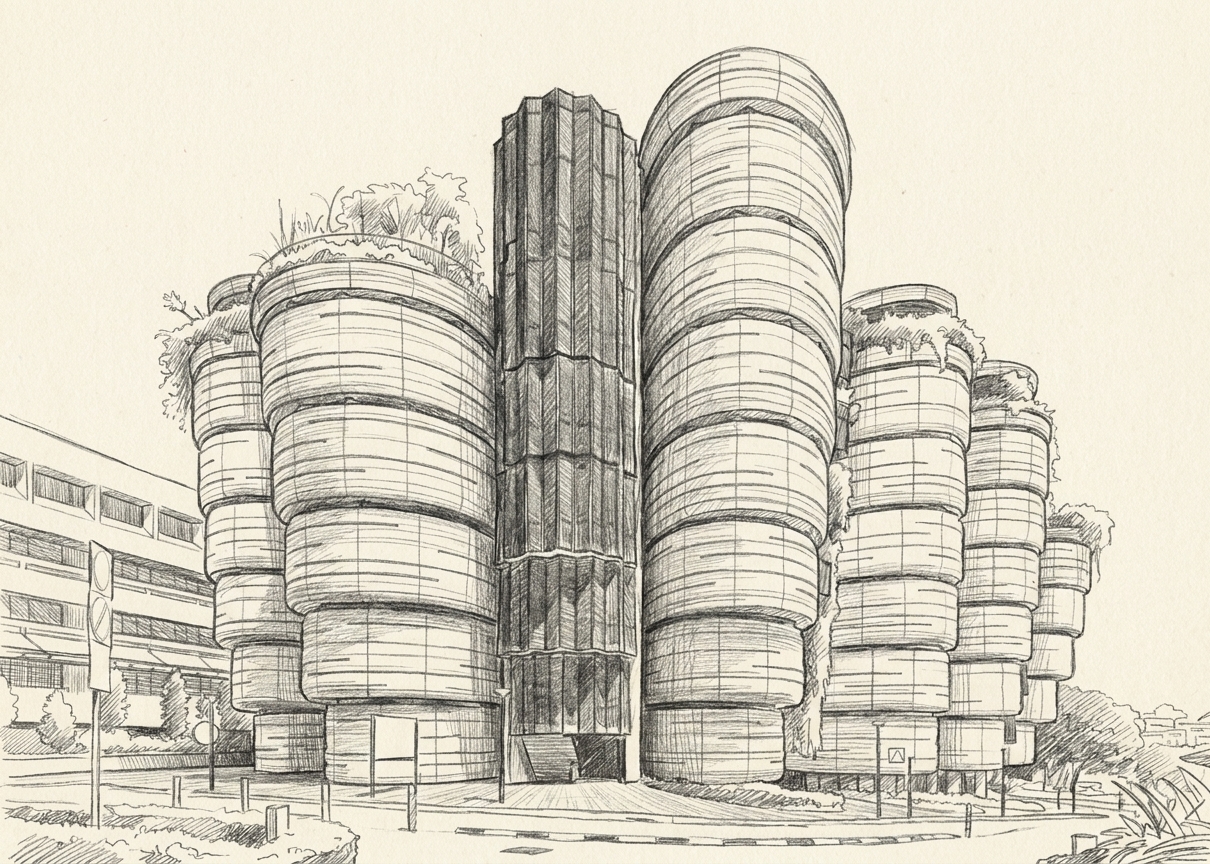
How Late Studio Hours Actually Wreck a Normal Living Situation
The failure mode isn't dramatic. It's small friction that repeats. You come in at 3am and wake someone up. You're gone from the shared kitchen exactly when everyone else wants it, then home and needing quiet exactly when they're getting ready for their day. A model takes over the dining table two nights before a deadline, then it's gone, then it happens again in three weeks.
None of that is anyone being unreasonable. It's just two schedules that don't overlap, running in the same flat. It gets worse, not better, over a degree that's structured around recurring crit deadlines rather than a one-off busy week.
| Housing option | Handles 3am arrivals | Model storage | Glue, blades and offcuts | Verdict for studio hours |
|---|---|---|---|---|
| Hall | Close quarters, so the roommate-friction problem is built in | Limited, and shared | Restricted by house rules | Weakest fit for a crit cycle |
| Shared bedroom in a flat-share | No, you wake someone up every time | No, a half-finished model gets knocked over or binbagged | Contested space | Breaks down repeatedly, not once |
| Private room in a tight flat-share | Yes for sleep, but the shared kitchen and table still clash | Yes, inside your own room | Depends on house rules around clutter and smells | Workable, with friction in crit weeks |
| Private room in co-living | Yes, close your own door at any hour | Yes, untouched | Yes, inside your own space | Best fit. Working-professional housemates absorb an odd schedule better than a synced-up flat-share |
What Actually Helps
A few things make a real difference for architecture students specifically:
Your own room, not a shared bedroom. Coming and going at 3am without waking someone up is worth more here than it is for most students. A private room removes the single biggest source of friction.
Reasonable distance to campus, at odd hours, not just during the day. Check what getting home actually looks like post-midnight, not just the daytime MRT ride.
Somewhere to leave a model without it being touched. A private room solves this by default. A shared bedroom usually doesn't.
Housemates who aren't all on your exact schedule, but who also aren't going to complain about it. Co-living with a working professional or two, rather than a tight flat-share where everyone's expected to sync up, tends to absorb an odd schedule better. See our piece on what living with strangers is really like for a more general look at how that dynamic actually plays out.
Flexibility if you don't get a hall place, or don't want one. Halls put you in close quarters with the exact roommate-friction problem above. If a hall offer doesn't come through, our guide on what happens if you don't get into NUS or NTU halls covers the private-market alternative in more detail.
| What to check | Why it matters for architecture specifically |
|---|---|
| Your own room, not a shared bedroom | Coming and going at 3am without waking anyone removes the single biggest source of friction |
| The trip home after midnight, not the daytime ride | Trains have stopped and a taxi is the only option. A commute that is fine at 6pm can be a bad idea at 2am |
| Somewhere a model can sit untouched | A private room solves this by default. A shared bedroom usually does not |
| Housemates who will not police an odd schedule | Co-living with a working professional or two absorbs it better than a flat-share expecting everyone to sync |
| A fallback if no hall place comes through | Halls put you in exactly the close-quarters situation the schedule breaks |
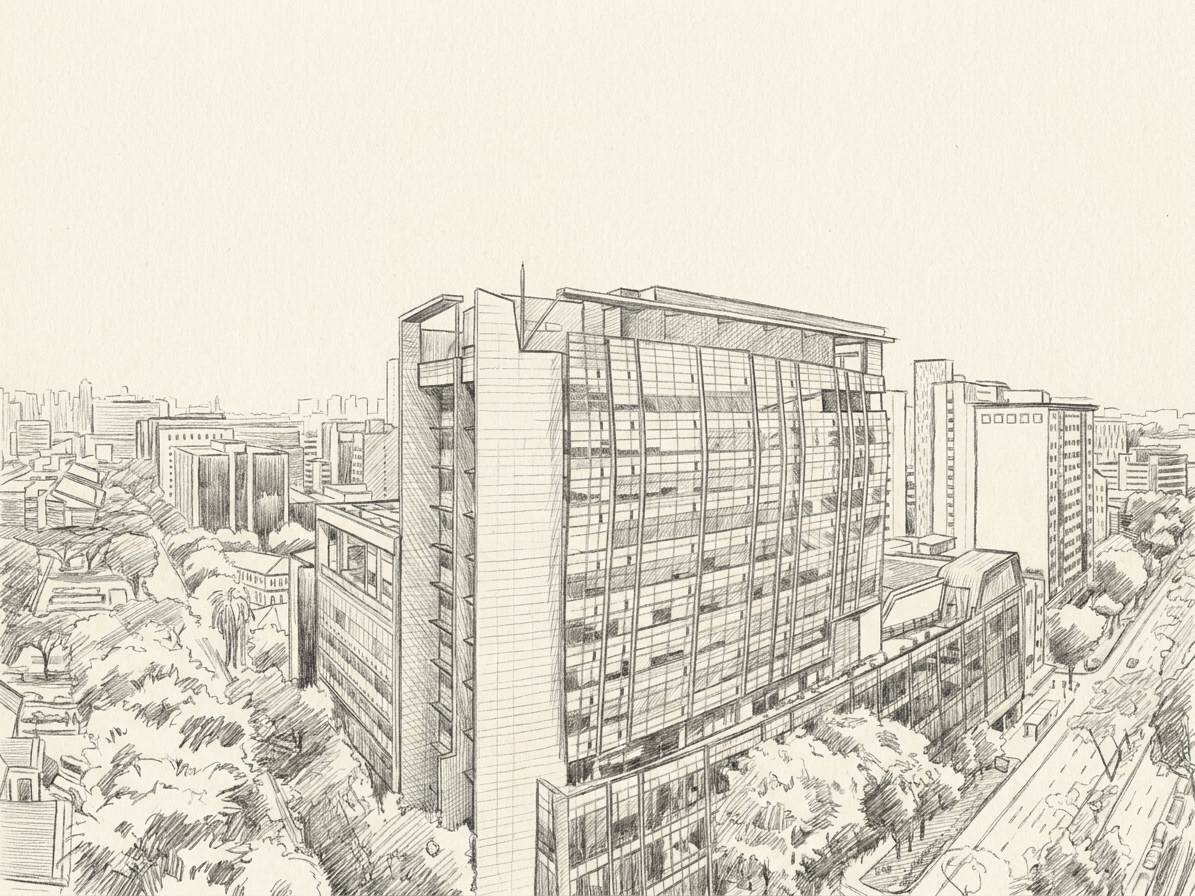
Where Lazybee Fits
Lazybee rooms are private, furnished, and come with your own space to close the door on, whatever hour you're keeping. There's no shared bedroom to tiptoe around at 3am and no dining table someone else needs back by morning.
For NUS architecture students at Kent Ridge, our general campus housing breakdown in the NUS student housing guide covers the neighbourhoods and commute options in more depth. If you're weighing a design programme elsewhere on the island, the NTU student housing guide does the same for that campus corridor.
If crit week is coming and your current living situation isn't holding up to it, current rooms are listed at lazybee.sg, with the price and term shown upfront so you can move without a long negotiation eating into time you don't have.
FAQ
Do architecture students really pull all-nighters that often? Yes, it's a recurring pattern tied to crit deadlines rather than a rare event. Most studio modules run multiple crit cycles a semester, and the days before each one are consistently the heaviest.
Is 24-hour studio access standard at architecture schools? Extended or round-the-clock studio access during crit periods is close to standard practice in architecture education broadly, though exact hours and any restrictions vary by school and semester. Check directly with your department for the current policy.
Why does a private room matter more for architecture students than other students? Because the schedule genuinely doesn't match a normal roommate's, repeatedly, across a whole degree. Coming and going at odd hours, storing a physical model, and having space for glue and offcuts all go more smoothly without a shared bedroom in the mix.
What should I actually check before renting near an architecture campus? Confirm the trip home works at 1am or 2am, not just during the day, and confirm you'll have your own space to store a model or leave a project mid-build without it being an issue for anyone else in the flat.
Sources: ICA, Apply for a Student's Pass; URA, Short-Term Accommodation guidelines; URA, Renting Property guidelines; HDB, Renting out bedrooms: regulations.