Student Housing Near NTU: A Co-Living Guide
Student housing near NTU explained: campus location, the free shuttle bus, and which nearby towns (Jurong East, Boon Lay, Pioneer) actually work.
The best student housing near NTU sits in one of three places: Boon Lay or Pioneer, both a short shuttle ride from the campus gates, or Jurong East, one MRT stop further in with a bigger town centre and more day-to-day amenities. All three sit on the East-West Line, and NTU runs a free shuttle bus connecting Pioneer and Boon Lay MRT stations straight into campus, so you don't need to live on top of the university to get there easily.
This guide walks through where NTU actually is, how students get in and out of campus day to day, and what each of the nearby towns is like to actually live in, whether you're in halls now and thinking ahead, or arranging a room from overseas before you arrive.
Where Is NTU Actually Located?
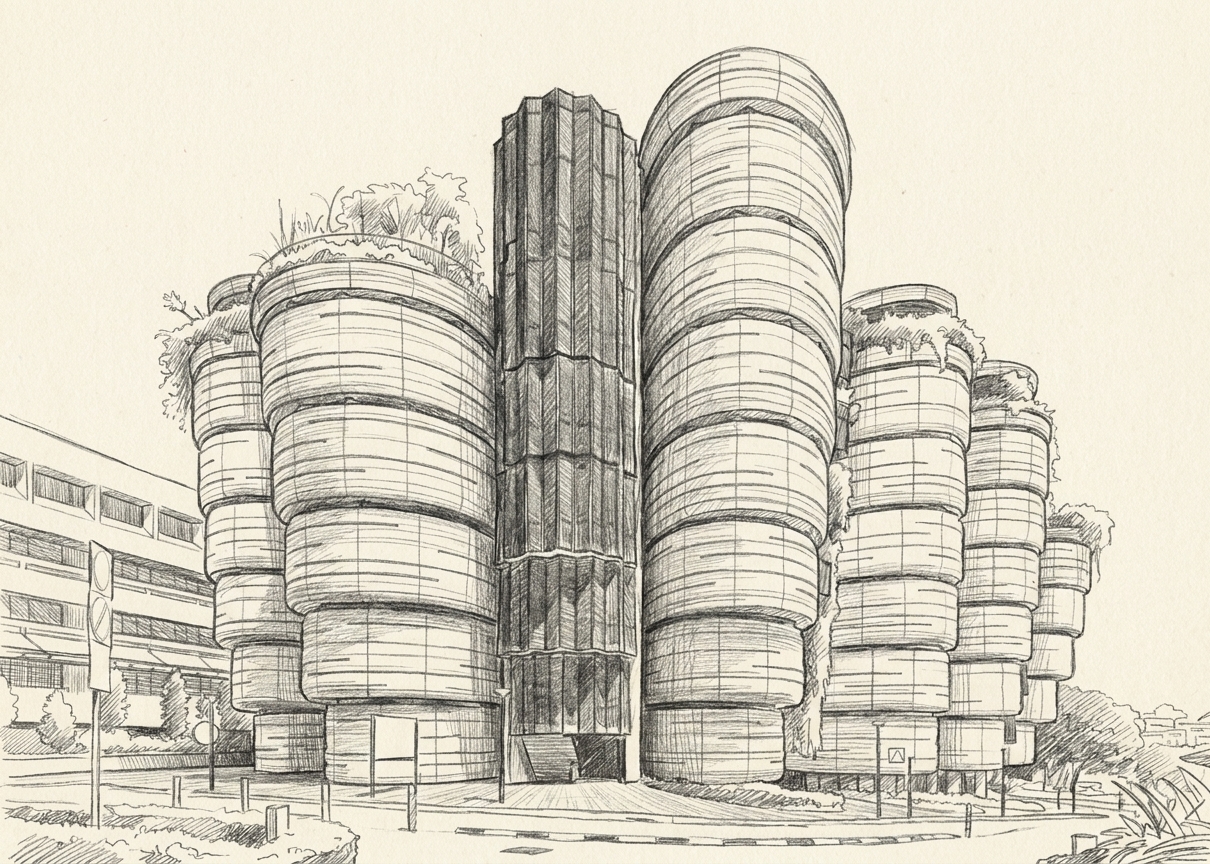
NTU's main campus sits in the southwest of Singapore, in the Jurong West area, well outside the city centre. It's a large, green campus, more like a self-contained town than a single building, spread across North Spine, South Spine, and a ring of residential halls.
Because the campus footprint is so big, "near NTU" doesn't mean one specific address. It means anywhere along the East-West MRT line close enough that the last leg into campus, by shuttle or short bus ride, stays quick and reliable.
What's the Nearest MRT Station to NTU?
Pioneer MRT station is currently the nearest station to NTU. A free NTU-Pioneer shuttle bus picks up right outside the station (near Block 649A, Jurong West Street 63) and runs daily from 7.30am to 10.30pm, dropping students into the middle of campus (NTU).
Boon Lay MRT station is the second option, one stop further down the East-West Line. From Boon Lay Bus Interchange, right next to the station, SBS bus services 179 and 199 run into campus, plying from around 6am to midnight on weekdays and Saturdays (Land Transport Guru).
Both stations work. Pioneer's shuttle is free and purpose-built for the campus commute. Boon Lay's public buses run a bit later into the night and connect through a livelier interchange with more food and shopping around it.
This won't be permanent. The Jurong Region Line is under construction, and two new stations, Nanyang Gateway and Nanyang Crescent, will eventually put an MRT line directly onto campus. That phase isn't opening until around 2029, so for the next few years Pioneer and Boon Lay remain the practical stations to plan around (Wikipedia).
How Does NTU's Internal Shuttle Bus Work?
Once you're on campus, whether you arrived by the Pioneer shuttle or the 179/199 bus, NTU runs its own internal shuttle system to get around: Campus Loop Red and Campus Loop Blue circle the academic buildings and halls, and the Campus Rider runs a route between Pioneer MRT and the residential halls, extending to a longer Campus Weekend Rider service on weekends and holidays (SgWiki).
Live bus locations and arrival times are tracked through the NTU Omnibus app, which is worth installing before your first week, since campus is genuinely large enough that guessing when the next shuttle arrives wastes real time between classes.
If you're living off campus, this internal shuttle only matters once you've already reached Pioneer or Boon Lay. The bus or MRT ride from home is still the leg that decides your actual commute time.
What's a Realistic Commute From Each Nearby Town?
Boon Lay and Pioneer. Living in either puts you a single bus ride from campus, typically well under 15 minutes door to door once you're on the bus or shuttle. This is the shortest possible commute short of living in halls.
Jurong East. One MRT stop further in on the East-West Line, then a change to the Pioneer shuttle or the 179/199 service. Realistic door-to-door time runs longer, often 30 to 40 minutes depending on the connection, since it adds a transfer on top of the ride (Rome2Rio). It's a genuine tradeoff, not a shortcut, but Jurong East is also a major MRT interchange (North-South and East-West Lines meet there), which matters if you're travelling into town regularly for internships, part-time work, or just a change of scenery from campus life.
For a broader look at how commute time and rent trade off against each other across Singapore generally, our guide to choosing where to live by commute time covers the underlying logic, most of which applies here too, just anchored to Pioneer or Boon Lay instead of the CBD.
Boon Lay, Pioneer, or Jurong East: Which Should You Actually Pick?
| Boon Lay | Pioneer | Jurong East | |
|---|---|---|---|
| Commute to NTU | Under 15 min by bus (179/199) | Under 15 min by free shuttle | 30-40 min with one transfer |
| MRT line | East-West Line | East-West Line | East-West + North-South (interchange) |
| Town centre | Boon Lay Shopping Centre, hawker centre, wet market | Smaller, more residential | Large mall cluster (JCube, IMM, Westgate, JEM), much more choice |
| Best for | Shortest possible commute, don't mind a smaller town | Shortest possible commute via free shuttle | Bigger town amenities, easier trips into the city, still on a direct line to campus |
| Tradeoff | Fewer dining and shopping options nearby | Same | Longer daily commute in exchange for more to do off campus |
There's no universally right answer here. Someone with a heavy lab schedule or early lectures benefits most from Boon Lay or Pioneer's short hop to campus. Someone who wants a proper town centre nearby, better grocery options, and easier weekend trips into the city will find Jurong East worth the extra 15 to 20 minutes each way.
What About Halls vs Living Off Campus?
Most undergraduates start in NTU's on-campus halls, and for a first year that's usually the right call, since it puts you inside the Campus Loop network with zero commute. Hall places aren't guaranteed every semester though, and many students end up looking for off-campus housing at some point, whether because of a hall allocation gap, a longer program, an exchange semester, or simply wanting more independence and space than a hall room offers.
If you're weighing the actual cost difference between staying in halls and renting off campus, including deposits, utilities, and what's actually included in each, that's a big enough topic to deserve its own breakdown rather than a paragraph here. What matters for this guide is simpler: if you do end up looking off campus, Boon Lay, Pioneer, and Jurong East are the three towns worth actually shortlisting.
What Should International Students Check Before Booking a Room Near NTU?
- Confirm the exact walk time from the room to the nearest bus stop or MRT entrance, not just the straight-line distance on a map.
- Check which shuttle or bus service actually reaches campus from that address, since not every stop in Jurong West connects the same way.
- Ask whether furniture, wifi, and utilities are included, arriving from overseas with no local network makes a move-in-ready room a real time saver.
- Verify the minimum stay period matches your actual semester or program length before signing anything.
- If you're choosing between two towns on cost alone, price in the extra commute time on the further option, not just the rent difference.
- Confirm the room is available for the full length of your course or exchange, not just the first semester, if you're planning to stay put.
Where Lazybee Fits
Lazybee runs a co-living house at Ivory Heights in Jurong East, a short walk from the MRT interchange and a direct ride from Pioneer and Boon Lay on the East-West Line. It's a genuinely relevant base for NTU students who want the bigger town centre, easier access into the city, and a furnished room with utilities and wifi already sorted, without needing to arrange any of that separately after landing.
For a full look at Lazybee's three houses across Singapore, including what's nearby and what a room actually includes, see our guide to Chiltern Park, Ivory Heights, and Thomson Grove. Current room availability is always on lazybee.sg, since that's the only place the numbers stay current.
Frequently Asked Questions
What's the nearest MRT station to NTU? Pioneer MRT station, connected to campus by a free NTU shuttle bus that runs daily from 7.30am to 10.30pm. Boon Lay MRT, one stop further down the East-West Line, is the second option, connected by public bus services 179 and 199.
Is there an MRT station directly on NTU's campus? Not yet. Two new stations, Nanyang Gateway and Nanyang Crescent, are planned as part of the Jurong Region Line but aren't expected to open until around 2029. Until then, Pioneer and Boon Lay are the closest stations.
How does NTU's internal shuttle bus system work? Campus Loop Red and Campus Loop Blue circle the academic buildings and halls of residence, and the Campus Rider runs between Pioneer MRT and the halls. All three are tracked live through the NTU Omnibus app.
Where should I live near NTU if I'm not staying in halls? Boon Lay and Pioneer offer the shortest commute, under 15 minutes by bus or shuttle. Jurong East is one stop further in but has a much bigger town centre and mall cluster, at the cost of a longer 30 to 40 minute commute with a transfer.
Is Jurong East too far from NTU to be practical? No, but it's a real tradeoff. It's still on the East-West Line with a direct connection to the Pioneer shuttle or the 179/199 bus, and being a North-South and East-West interchange makes it easier to get into the city too. Students who prioritise a bigger town centre over the shortest possible commute tend to be happy there.
Sources: URA, Short-Term Accommodation guidelines.