What Living With Strangers Is Really Like
Living with strangers coliving Singapore style: what's genuinely good, what's genuinely annoying, and how to set yourself up before you sign.
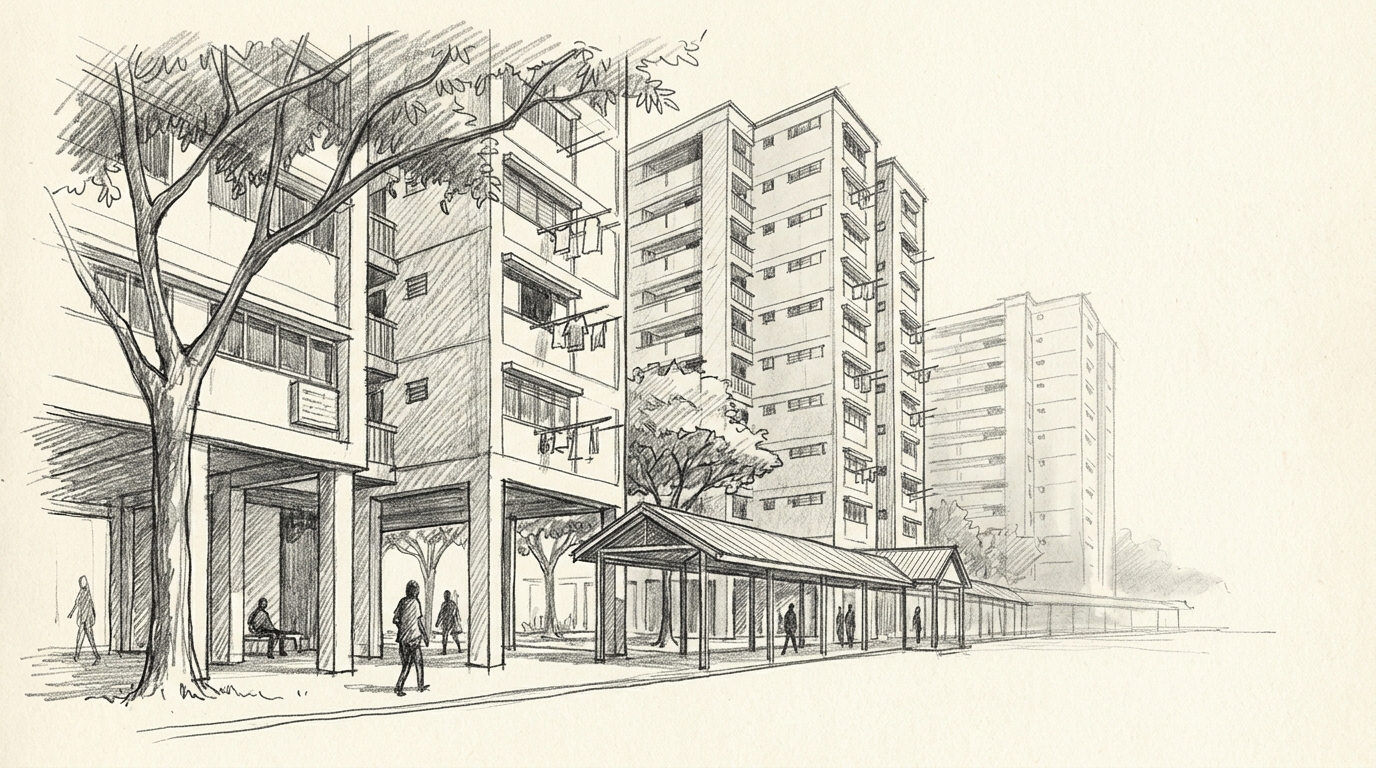
Is living with strangers awkward? Sometimes, for the first week or two. Then it mostly stops being about "strangers" and starts being about people you happen to share a kitchen with, which is a much smaller and more manageable thing. Co-living in Singapore works when the basics are handled properly: your own locked room, clear house rules, and an operator who actually deals with problems instead of leaving housemates to sort it out themselves. It doesn't work when any of those three are missing.
That's the honest short answer. The rest of this covers what shared living actually involves day to day, where it genuinely gets hard, and what to check before you sign anything.
What Shared Living Actually Involves Day to Day
Strip away the marketing language and a shared home is simple. You have a private, lockable bedroom that's entirely yours. You share a kitchen, a living area, and usually a bathroom or two with a small number of other tenants, often somewhere between three and seven people depending on the unit.
Day to day, that means passing people in the hallway, cooking around someone else's dinner, and negotiating the washing machine on a Sunday. It does not mean shared meals, forced hangouts, or knowing everyone's life story. Most households run on practical courtesy: say good morning, keep common areas tidy after yourself, get on with your own life.
The parts that actually take adjustment are smaller than people expect. Learning someone else's shower schedule. Figuring out fridge space. Working out whether the person down the hall is a talker or keeps to themselves. None of it is dramatic, most of it is logistics.
Is Co-Living Forced Socialising? No
A common myth is that co-living means constant group activities, mandatory community dinners, or an expectation that you'll become close friends with everyone under the same roof. That's not how a well-run shared home works.
Your room is private. Nobody has a right to be in it, and nobody expects you to spend your evenings in the common area if you'd rather be behind a closed door. Plenty of tenants keep their interactions with housemates friendly but light: a hello in the kitchen, help if someone's locked out, otherwise fairly separate lives.
The social side is there if you want it. Some households end up genuinely close. Others stay cordial and nothing more. Both are normal, and neither is the "correct" way to do co-living. The point of a shared home isn't to manufacture friendship, it's a private base at a lower cost than renting a whole unit alone, with company as an optional extra rather than a requirement.
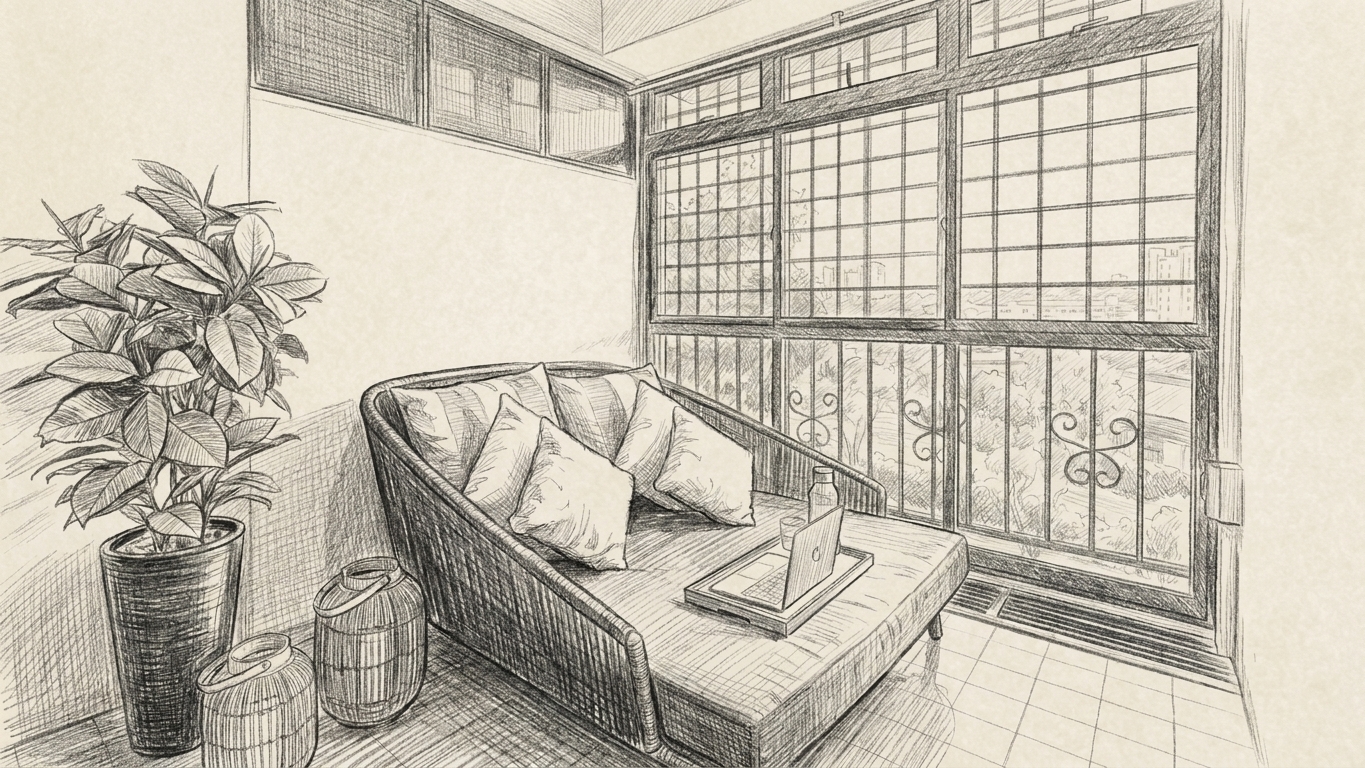
Shared Bathroom vs Ensuite: The Honest Trade-off
This is usually the single biggest decision inside co-living, worth being straight about rather than pretending one option has no downside.
| Shared bathroom | Ensuite | |
|---|---|---|
| Monthly rent | Cheaper, sometimes by a meaningful margin | Higher, for the same building and location |
| Daily friction | You work around someone else's schedule. The friction point that comes up most often in any shared home | Removed. Your own bathroom, your own schedule |
| Best if | Budget is the priority and you are reasonably easy-going and tidy | Privacy matters more than a few hundred dollars a month, or your mornings are tightly timed |
Neither is objectively better.
10 House Rules That Prevent Most Conflict
Most shared-living conflict isn't personality clashes, it's the absence of a simple, agreed system. Households that run smoothly tend to have some version of these, written down or just understood.
- A cleaning rota for shared spaces, even a loose one, so tidying isn't left to whoever cares most.
- Clear rules on dishes, washed within a reasonable window instead of piling up.
- Fridge and cupboard space that's actually divided, so food doesn't quietly disappear.
- Quiet hours, especially on weeknights, agreed once rather than renegotiated each time.
- A guest policy, how often, how long, and whether an overnight guest needs a heads-up.
- Who pays for shared consumables like toilet paper or dish soap, settled once, not monthly.
- A system for shared appliances, laundry slots or a simple check-before-you-start habit.
- Boundaries on borrowing, food, kitchenware, anything, ask first rather than assume.
- A clear line for reporting maintenance, so a leaking tap gets fixed by the operator, not left to a housemate.
- A default of talking directly before escalating. Most friction resolves in one honest conversation; a group chat over something small usually makes it worse.
None of this needs a formal meeting. Most well-run households pick it up naturally within the first couple of weeks, especially where the operator sets baseline expectations at move-in rather than leaving tenants to invent the rules themselves.

The Most Common Mistake: Assuming Everyone Cleans Like You Do
If there's one assumption that causes more friction than anything else, it's this: assuming your own standard of "clean" and "tidy" is the obvious, shared default. It isn't. Someone who grew up with daily help at home, someone who's never lived away from family, and someone who's shared a flat for years will all walk in with different unspoken rules about what "normal" looks like.
None of that makes anyone a bad housemate. It means the standard has to be said out loud rather than assumed. A tenant who leaves dishes for a day isn't necessarily being disrespectful, they might genuinely not register it as an issue until someone mentions it. Households that avoid repeated friction name the standard early ("dishes done same day," "wipe the stove after cooking") instead of letting resentment build and having the conversation angry.
A quick, purely illustrative example: one housemate does a full deep clean weekly, the other tidies as they go but never deep cleans. Left unspoken, that gap turns into quiet irritation on both sides. Named once, out loud, it becomes a two-line agreement about who handles what.
Your First Shared Home, Realistically
If this is your first time living with people who aren't family or existing friends, a few honest expectations help more than optimism does.
The first two weeks are the adjustment period. You're learning routines, not judging character. A housemate who seems distant in week one is often just as new to the situation as you are.
You will not love every housemate, and that's fine. You don't need to be close friends with people you share a fridge with, you need a working, respectful arrangement, which is a much lower and more achievable bar.
Something will go slightly wrong at some point: a dish left too long, a noise complaint, a mixed-up delivery. How it gets handled matters more than whether it happens. A quick, direct, non-accusatory conversation solves almost everything.
The operator matters more than people expect going in. A shared home where the operator screens tenants, sets expectations at move-in, and actually responds when something needs fixing runs differently from one where you're on your own the moment you sign. At Lazybee, that's the part we own directly: tenants are checked before they're placed, house rules are set at move-in, and maintenance goes to us, not to whichever housemate happens to notice first.
Questions to Ask About Housemates Before Signing
You won't get full veto power over who you live with, and that's normal for shared housing. But you can ask enough to know what you're walking into.
| Ask | Why it tells you about daily life |
|---|---|
| How long has the current household been living together? | Stable versus high-turnover changes the whole feel of a house |
| What is the rough age range and life stage of current tenants? | Whether the household's rhythm matches yours |
| Is there an existing cleaning or chore system? | Or is it left entirely to tenants to invent |
| How does the operator handle a housemate dispute? | A well-run one has a process, from mediated conversation up to reassignment or ending a tenant's agreement |
| What is the maintenance process, and how fast? | Whether a leaking tap goes to the operator or to whichever housemate notices first |
| Ensuite or shared bathroom, and how many people share it? | The single biggest decision inside co-living |
| Can I see the room and common areas before committing? | In person or over video. A straight yes is the answer you want |
A straight answer to all of these, before you sign, tells you more about daily life than the listing photos do. For how different operators compare on this, our comparison piece goes deeper, and it's worth checking what's actually legal for shared housing in Singapore before you commit anywhere.
The Honest Bottom Line
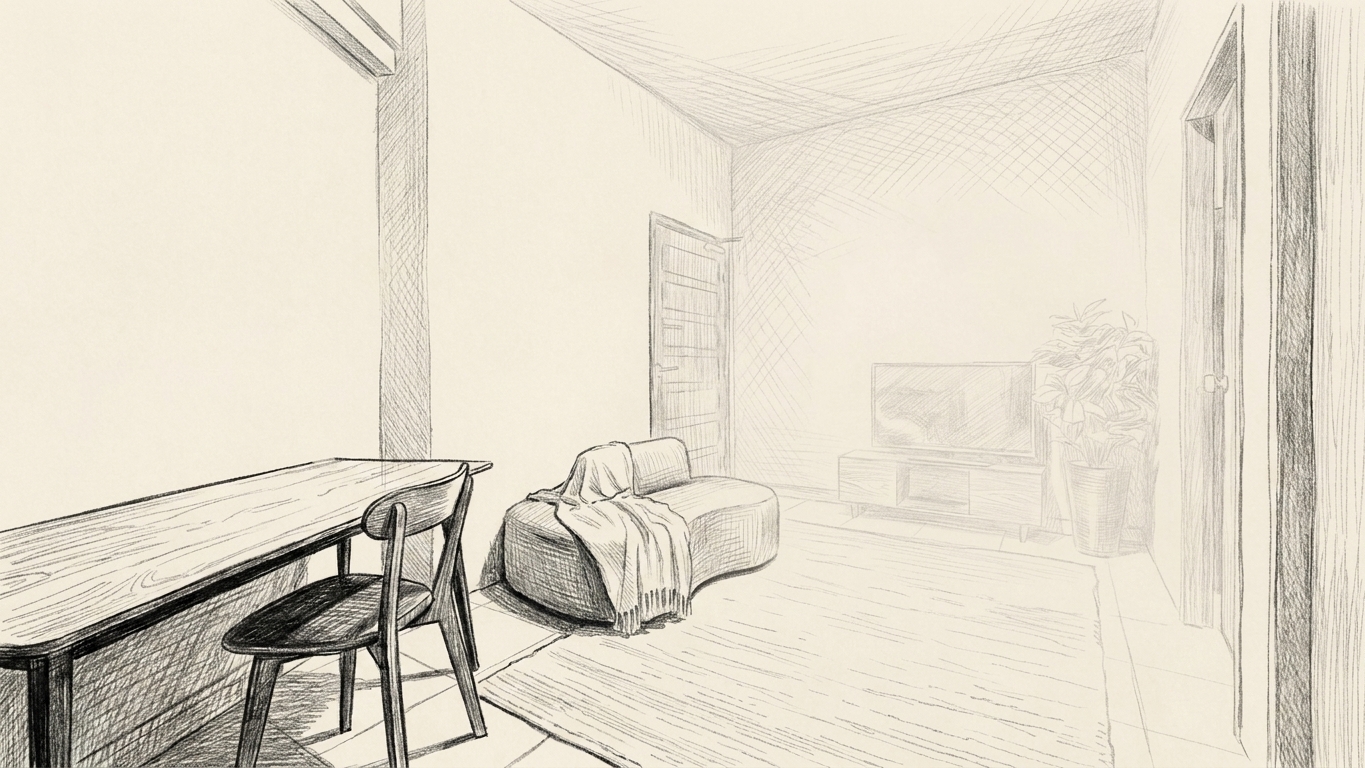
Living with strangers isn't awkward in the way people fear before they try it, and it isn't friction-free either. It's ordinary domestic logistics with people you didn't choose, easier with clear rules, harder when everyone assumes their own standards are the default. Most of what goes wrong is fixable with one direct conversation. Most of what goes right just needs a private room, a fair system, and an operator who handles the parts you shouldn't have to.
If you're weighing it up for yourself, current room availability across Lazybee's Singapore homes, ensuite and shared bathroom options both, is listed at lazybee.sg, with what's included shown on the room page itself.
Frequently Asked Questions
Is it normal to feel awkward the first few days living with strangers? Yes, and it usually passes within a week or two as routines settle. It's adjustment, not a sign the arrangement isn't working.
What if I just don't get along with a housemate? You don't need to be friends, only civil and respectful in shared spaces. Raise a genuine issue directly first, and involve the operator if it doesn't resolve.
Do I have to join house activities or socialise if I don't want to? No. Your room is private and your time is yours. Whatever you make of the common areas is entirely up to you.
Is a shared bathroom actually manageable, or is it always annoying? For most tenants it's manageable with a basic routine and reasonably considerate housemates. It's a real trade-off against cost, not a guaranteed problem, worth weighing against an ensuite room if your schedule is tight.
What happens if a housemate is genuinely difficult, not just different? A well-run operator has a process for this, from a mediated conversation up to reassignment or, in serious cases, ending that tenant's agreement. Ask how disputes are handled before you sign, not after you need the answer.
How do I know if I'll get along with the existing household before moving in? You often won't know for certain, but a viewing and a straight answer from the operator about who's currently living there gets you most of the way. It's a reasonable question to ask, not an awkward one.
Sources: URA, Short-Term Accommodation guidelines; URA, Renting Property guidelines; MOM, S Pass eligibility.