Why Young Singaporeans Are Choosing Co-Living
Why Singaporeans choose co-living over staying home, waiting on a BTO, or renting alone in 2026, and what's actually driving the shift.
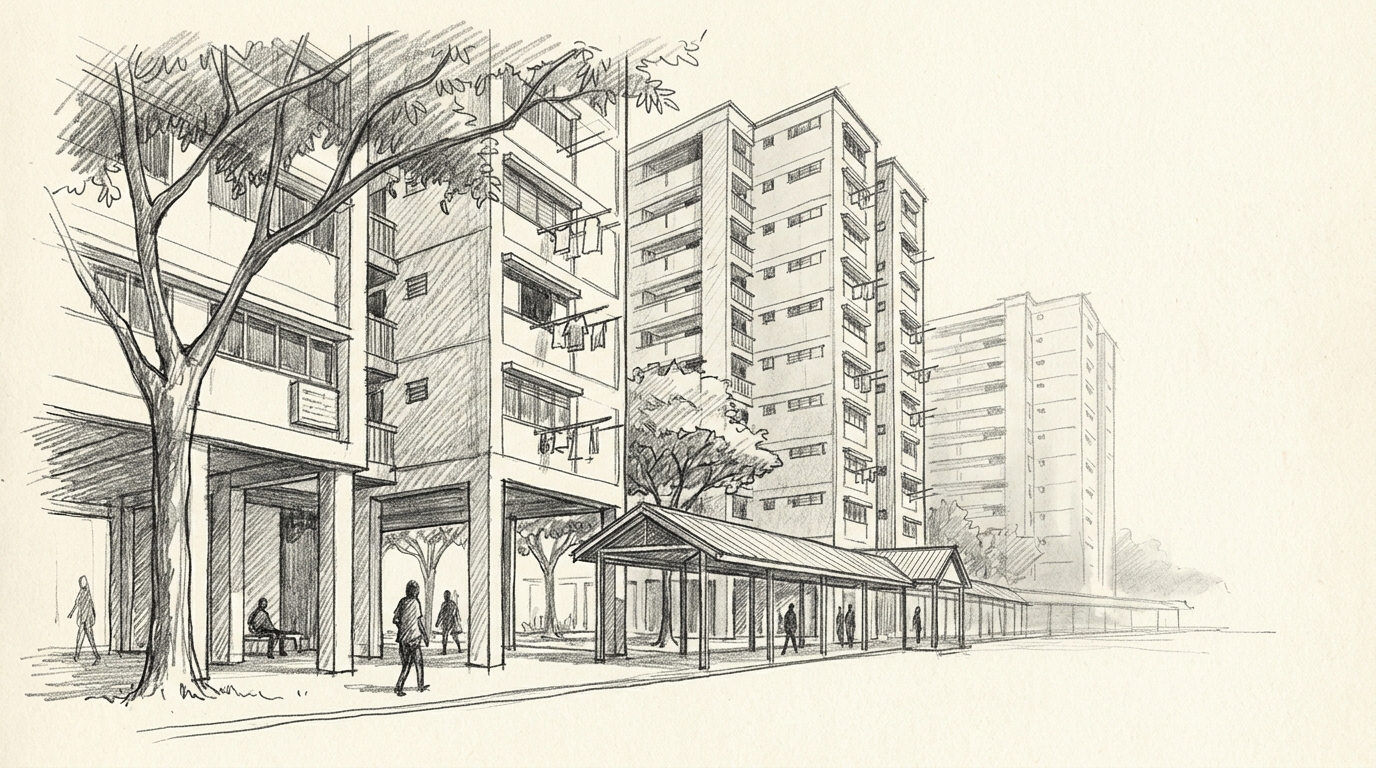
Singaporeans choose co-living for the same reason anyone rents: they want independence sooner than home ownership can deliver it. A BTO flat typically takes three to four years from application to key collection, and the standard Minimum Occupation Period locks owners in for five years after that. Co-living gives a local resident a real address, their own room, and a housemate setup, without waiting on any of it. That's the whole answer. The rest of this piece is why that trade-off has become common enough that the government now runs a scheme for it.
What is driving local demand
Three things are colliding at once. Household sizes are shrinking, so more people want to live apart from family earlier than a previous generation did. BTO timelines, even with recent improvements, still run years. And renting has quietly become socially normal for a Singaporean in their twenties, not just something expats do while they figure out the market.
None of this is really about foreigners driving up demand. It's locals wanting a faster path to living on their own terms, at a price that doesn't require a five-year commitment or a mortgage conversation with a partner they haven't decided to buy property with yet.
Local demand in 2026
This isn't a vibe, it's now policy. In July 2026, the National Youth Council and the Ministry of Culture, Community and Youth opened a co-living initiative under the SG Youth Plan, offering rooms to Singaporeans aged 21 to 35 at roughly 30 percent below market rate across three properties. More than 500 young Singaporeans registered within 11 days, five times the number of rooms on offer, and most of them were single.
That's a government program built specifically for citizens, not visitors. It exists because the demand was already there and growing. Separately, HDB's Parenthood Provisional Housing Scheme offers subsidised interim rental for married or engaged couples waiting on a flat, but it doesn't cover singles, which is exactly the gap co-living has been filling on the open market for years already.
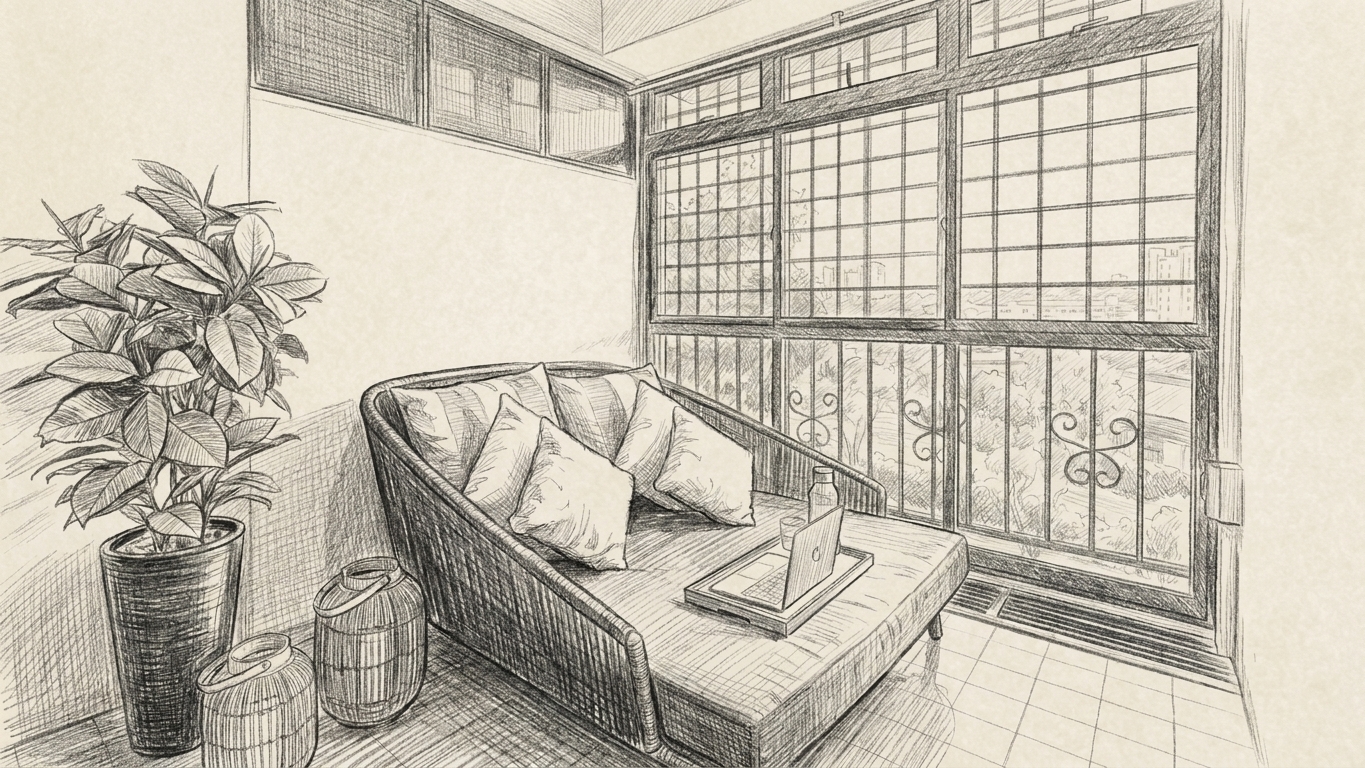
Renting now vs waiting for a BTO
These aren't actually competing choices for most people, since a BTO takes years to materialise regardless of what you do in the meantime. The real question is what you do with those years.
| Renting a co-living room now | Waiting for a BTO | |
|---|---|---|
| Time to move in | Days to weeks | 3 to 4 years typically, some Shorter Waiting Time launches under 3 |
| Commitment | Month to month or short lease | 5 year Minimum Occupation Period once you collect keys |
| Who it suits | Anyone wanting independence now | Those with a confirmed flat and a fixed home timeline |
| Flexibility if plans change | High, you can move | Low, you're locked in post-collection |
Renting a room now doesn't cancel your BTO plan. It just means you're not living with your parents, or in a situation you've outgrown, for the years in between.
6 reasons locals are signing room leases
- The BTO clock doesn't start your life. Waiting three to four years to move out isn't appealing at 24, and nothing says you have to.
- No five-year lock-in. A co-living room can be left with proper notice. A flat you've just collected keys for cannot.
- All-in pricing is easier to plan around. Rooms that bundle utilities, wifi, and cleaning turn several bills into one number, which is simpler while you're also saving toward a flat.
- No agent, no long private tenancy. Co-living skips the agent commission and the year-plus lease that a private rental usually demands.
- Proximity beats commuting from the family home. A room closer to work or school often beats a longer commute from a childhood bedroom.
- It's a landing pad, not just a fallback. Break-ups, job changes, family friction, or simply wanting space are all normal reasons to move out, BTO or not.
Myth: co-living is only for foreigners
It's an easy assumption, since a lot of co-living marketing leans on the expat-newcomer story. But the SG Youth Plan scheme launched in July 2026 was built specifically for Singaporeans aged 21 to 35, and it was five times oversubscribed by locals in under two weeks. A government housing initiative doesn't get built around a market segment that doesn't exist.
At Lazybee, local Singaporean tenants signing on alongside newcomers has become a normal part of the mix, not an exception, which is a fair trust signal in itself: people who already live here and have other options are still choosing it.

Co-living for Singaporeans, explained
If you've only ever lived with family or on a standard HDB tenancy, co-living runs a little differently. You're signing a licence agreement for a room, not a lease for a whole unit, which is a lighter legal document and usually a shorter minimum term.
There's no agent in most cases. You deal directly with the operator, view the room, and sign. Utilities, wifi, and sometimes cleaning are typically bundled into one monthly figure instead of separate bills you set up yourself. And you're sharing common areas with housemates who are usually a working professional in a similar life stage, not a random assortment of strangers.
Mistake: treating renting as money wasted
The instinct that renting is "wasted money" compared to paying into a flat is common here, and it doesn't hold up once you look at what the years in between actually cost. You're not choosing between renting and owning today. You're choosing between renting and living with family (or somewhere that no longer fits) while you wait years for a flat that isn't ready yet.
Rent during that gap buys independence, proximity, and flexibility, none of which a BTO under construction can give you. And renting privately doesn't affect your BTO or resale eligibility, since HDB's ownership rules are about owning or holding an interest in private property, not about being a tenant somewhere. If your situation is unusual, an HDB Flat Eligibility letter will confirm it for your specific case.
Checklist: is co-living right for you?
- [ ] You want to move out sooner than a BTO or resale purchase would let you
- [ ] You'd rather not sign a year-plus private tenancy or deal with an agent
- [ ] Simpler, bundled bills matter more to you right now than maximum privacy
- [ ] You're comfortable sharing common spaces with housemates
- [ ] Your current living situation (family home, long commute, outgrown share) has a real cost you're ready to fix
- [ ] You want flexibility to move again without being locked into years of commitment
If most of these are true, co-living is worth a look before committing to a longer lease or waiting out a flat timeline at home.
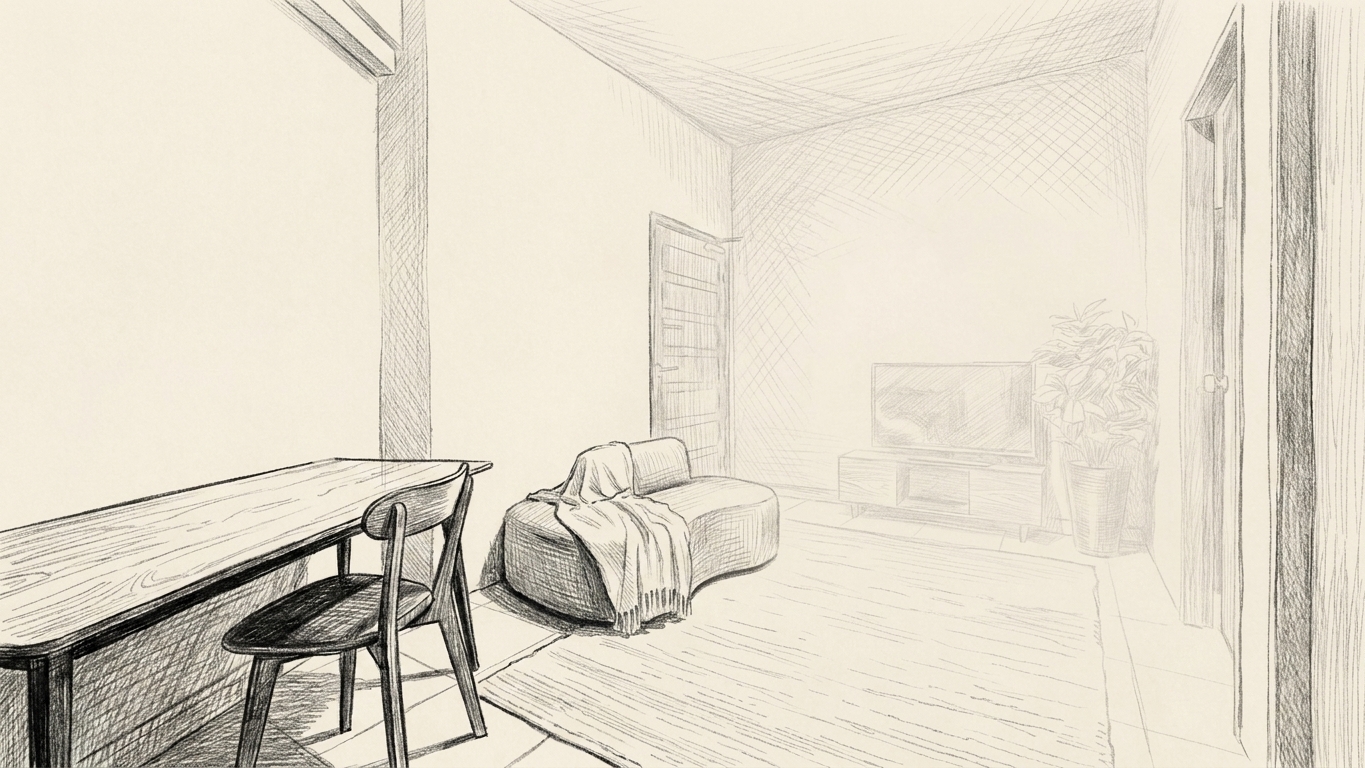
FAQ: local renters, the questions we hear most
Is co-living only for foreigners and expats in Singapore? No. Co-living has always included local tenants, and the government's own SG Youth Plan co-living initiative, launched July 2026 for Singaporeans aged 21 to 35, was five times oversubscribed within 11 days. Demand from locals is real and growing.
Can I do co-living while waiting for my BTO? Yes. Many tenants use a co-living room as their home for the years between applying and collecting keys, then move into their flat once it's ready. It's a bridge, not a competing commitment.
Will renting a room affect my BTO eligibility or CPF housing grant? HDB's ownership rules are about owning or holding an interest in private property, not renting one as a tenant. Renting a room does not make you a property owner. If your situation is unusual, request an HDB Flat Eligibility letter to confirm your exact standing.
Is a co-living licence agreement the same as an HDB tenancy? No. A co-living licence agreement covers a room, is typically shorter and lighter than a full tenancy, and doesn't run through an agent the way most private HDB or condo tenancies do.
Is co-living actually cheaper than renting alone? It's usually cheaper than a whole unit, since you're not carrying full rent, a full utilities bill, and often an agent commission by yourself. Exact pricing depends on the room and location, so check current listings rather than a general figure.
Where to go from here
If the BTO wait is the thing keeping you at home longer than you'd like, it's worth reading how co-living compares to renting a private unit and what a realistic monthly budget actually looks like. Current room availability and pricing are on the Lazybee listings page, so you can compare a real number against whatever else you're weighing up.
Sources: HDB, Renting out a flat: regulations.