NTU Halls vs Co-Living: A Real Cost and Commute Comparison
Real NTU hall fees, guest rules and commute times compared against co-living, including the Jurong East route to Lazybee's Ivory Heights house.
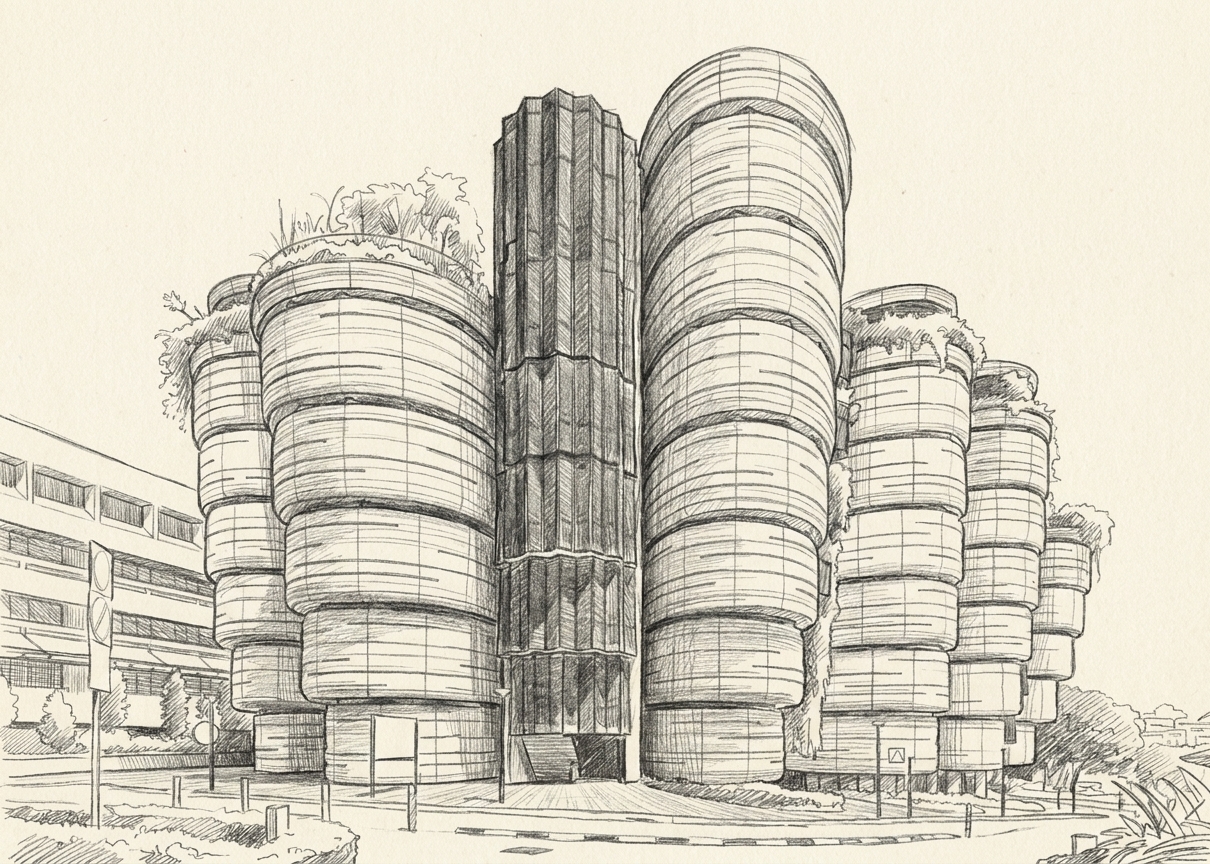
An NTU hall room runs roughly S$412 to S$785 a month depending on room type and aircon, billed per semester, with no meal plan forced on top. Co-living near campus runs broadly S$1,200 to S$2,500 a month across the Singapore market, all-in on furniture, wifi and utilities, with no meal plan either way. Hall wins on price if you get the room type you want. Co-living wins on certainty, since there's no ballot standing between you and a room.
That's the headline. The real decision is more specific than a single number, and it depends on which year you're in, how the ballot actually treats you, and how far you're willing to commute if you end up living off campus near Jurong East. This piece walks through both sides with real figures, not the vague "compare your options" advice most guides stop at.
What does an NTU hall actually cost in 2026?
NTU bills hall fees on a semester basis, not monthly, though the rates are quoted per month for comparison. As of the 2025/26 academic year, a non-air-conditioned double room ran roughly S$412 to S$475 a month depending on the hall and whether it's ensuite. A non-air-conditioned single ran around S$582 to S$590. Air-conditioned rooms cost more: a single with aircon sat around S$627 to S$635, and a single ensuite with aircon reached S$785.
Rates went up again for 2026/27. Hall of Residence 5's air-conditioned single, for example, rose to S$657 a month, up S$49 from S$608 the year before. A non-air-conditioned double ensuite at Hall of Residence 2 rose to S$412, up S$31. NUS and SMU raised their own hostel fees around the same time, so this isn't an NTU-specific squeeze, it's a sector-wide increase across all three universities in 2026.
One number that matters more than the monthly rate: the hall acceptance fee equals two months' rent and is non-refundable, though it's used to offset your first two months of actual stay rather than charged on top. There's no compulsory meal plan bundled into NTU hall fees, which is a real difference from NUS, where some halls and residential colleges do force a meal plan worth several hundred dollars a semester on top of the room rate.
Is a hall place actually guaranteed?
Yes, for your first two years, based on your year of admission. That's a genuine guarantee, not a "good odds" situation, and it's stronger than what NUS or SMU offer their own first-years.
What isn't guaranteed is which hall or room type you get. Applications run through electronic balloting across NTU's 23 halls, not first-come-first-served, and the system randomly assigns hall and room type by computer ballot based on availability. You can submit preferences, but the guarantee covers a place, not the specific hall, room type, or aircon status you asked for. Plenty of students who assumed "guaranteed" meant "guaranteed what I wanted" end up in a non-aircon double when they'd budgeted mentally for a single.
The guarantee also has a hard edge: it covers years one and two only. From year three onward, you're back in the general ballot pool competing against every other continuing student, and there's no promise you'll clear it. That's the point where a lot of NTU students start looking at co-living seriously for the first time, often having never needed to before.
What are the rules like inside an NTU hall?
Halls run on a published Rules and Regulations Governing Residence in Halls document, and breaching it carries real consequences, up to eviction and forfeiture of rental fees. The specifics worth knowing before you commit:
Guests. Visitors are allowed only between 7:30am and 11:30pm, and the resident has to be present to supervise them the entire time. Overnight guests aren't permitted at all.
Quiet hours. Sunday through Thursday, quiet hours run 11pm to 7am. Friday, Saturday and the eve of a public holiday, that shifts to midnight to 8am.
Cooking. Pantries with microwaves, induction cookers and water dispensers are provided, but high-power or heating appliances aren't allowed in the room itself. That rules out rice cookers, electric kettles, aircon units and washing machines in your own space. A small fridge is fine with a declaration.
Leaving early. The hall application fee is non-refundable, and if a freshman wants to withdraw early, notice has to go in at least 14 calendar days before checkout through the One Stop Portal, or you're charged for a minimum 14-day period regardless.
None of this is unusual for a hall housing hundreds of 18 to 22 year olds under shared supervision. It's just worth knowing precisely, rather than assuming "hall rules" means something vague and unenforced.
The trade-off in one table
| NTU hall | Co-living near NTU | |
|---|---|---|
| Monthly cost | Roughly S$412 to S$785, room type dependent, billed per semester | Roughly S$1,200 to S$2,500 across the Singapore market, check current listings for exact pricing |
| Meal plan | Not included, not forced | Not applicable, you cook or eat out on your own budget |
| Guarantee | First 2 years guaranteed a place, not a specific hall or room type, via ballot | No ballot, available if you can pay and the room is listed |
| Guest policy | Visitors 7:30am to 11:30pm only, resident must supervise, no overnight stays | House rules on shared-space courtesy, no institutional curfew |
| Quiet hours | Sun-Thu 11pm to 7am, Fri/Sat/eve of holiday 12am to 8am | No enforced curfew |
| Cooking | Pantry only, high-power appliances banned from rooms | Typically full kitchen access |
| Commute to NTU | None, you're on campus | Zero from Pioneer/Boon Lay, roughly 30 to 40 minutes from Jurong East with one transfer |
| Term length | Tied to the academic semester | Minimum 3 months by law across all private Singapore rentals, flexible beyond that |
| Furnishing | Basic, provided | Fully furnished, move-in ready |
| Withdrawal | 14 days' notice minimum, acceptance fee non-refundable | Depends on the operator's terms, generally more flexible than a hall contract |
Read the table for the rows that actually matter to you. A student who never has overnight guests and doesn't mind a curfew barely notices the guest policy row. A student who does will find it decisive.
What co-living actually costs near NTU
Co-living pricing across Singapore runs a wide band, roughly S$1,200 to S$2,500 a month depending on room type and location, with budget shared rooms toward the bottom and master bedrooms with ensuite bathrooms toward the top. That's a market-wide range, not a quote, and the honest move is to check current listings rather than anchor on a figure from any article, this one included.
What's consistent is what's bundled in. A co-living room is furnished, wifi and utilities are typically rolled into one rent figure, and there's no separate meal plan to budget for since you're free to cook in a shared kitchen or eat out. Against a hall rate that excludes a meal plan too but restricts your cooking options to a shared pantry, the practical day-to-day difference is more about kitchen access and independence than raw cost.
The honest cost comparison, then, isn't "hall is always cheaper." It's "hall is cheaper if the room type you're billed for is one you'd have chosen anyway, and co-living costs more but buys you a kitchen, no curfew and no ballot."

The commute: campus room vs Jurong East
A hall room has no commute. You're on campus, inside NTU's internal Campus Loop shuttle network, a walk from your first lecture.
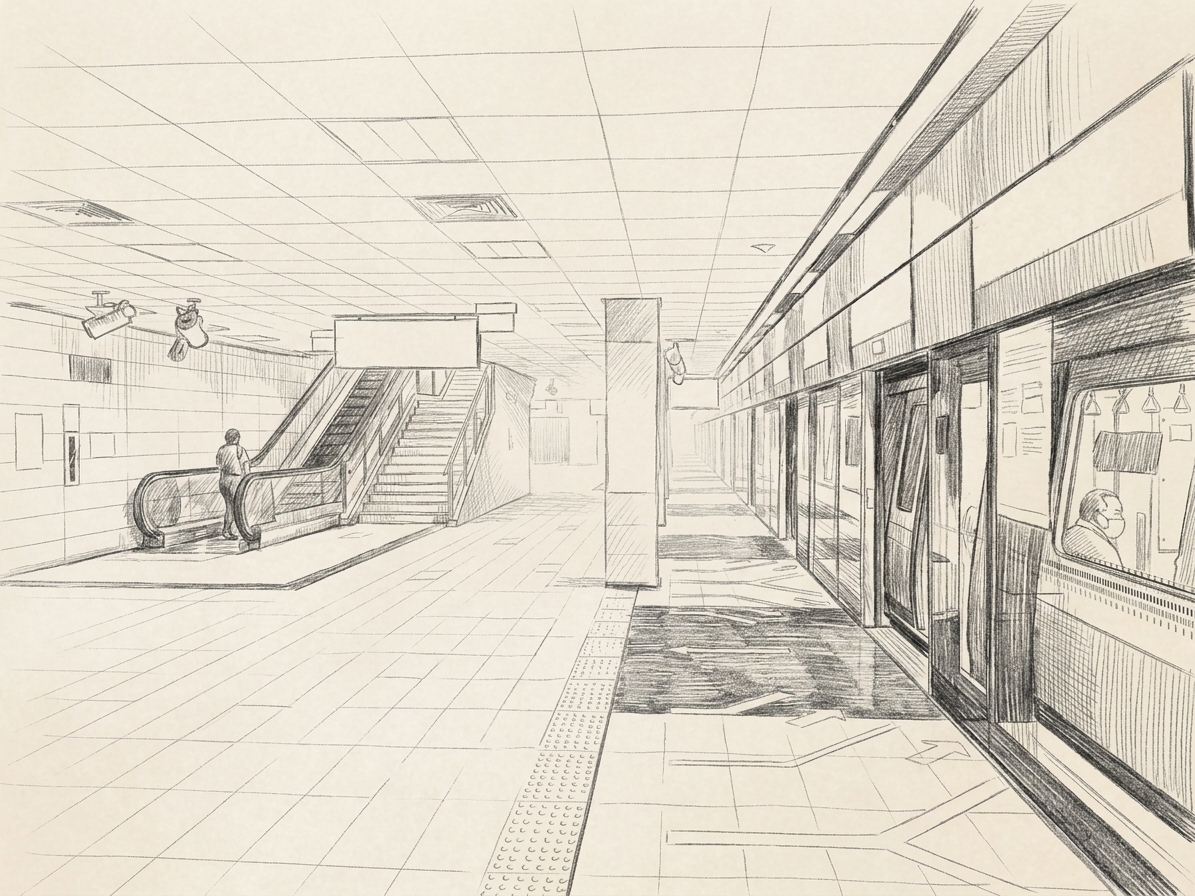
Lazybee's nearest house to NTU is Ivory Heights, in Jurong East. NTU doesn't have an MRT station on campus yet, the closest are Pioneer and Boon Lay on the East-West Line, both served by a free NTU shuttle or SBS buses 179 and 199, and living right by either gets you into campus in under 15 minutes. Jurong East is one MRT stop further in, so the realistic door-to-door commute from Ivory Heights to campus runs roughly 30 to 40 minutes, factoring in the change from MRT to shuttle or bus.
That's a real cost in time, and it's worth being honest about rather than glossing over. What you get in exchange is a proper town centre: Jurong East is a North-South and East-West interchange, with JEM, Westgate, JCube and IMM all within a short walk, plus the Jurong Regional Library. For internships, part-time work, or weekend trips further into Singapore, that interchange position also cuts your travel time everywhere else, not just to campus. Students who need to be on campus for early labs every single day feel the extra 20 to 25 minutes more than students with a lighter, more flexible timetable.
So which one actually makes sense for an NTU student?
If you clear the ballot and land a room type you're happy with in your first two years, take the hall. It's the cheapest legal roof over your head near NTU, zero commute, and the guarantee means you're not gambling on availability the way an SMU or NUS fresher sometimes is.
Co-living becomes the stronger case in a few specific situations: you're past year two and back in the general ballot pool with no guarantee, the ballot gave you a room type or hall you don't want, you value full kitchen access and no guest curfew more than the cost difference, or you're an exchange or graduate student outside NTU's undergraduate hall guarantee entirely. In any of those cases, the trade is a higher monthly rent against real independence and certainty, not a downgrade.
Some students split the difference deliberately: take the guaranteed hall place for years one and two while the price is lowest and the ballot favours you, then move to co-living from year three once continuing-student odds get uncertain and independence starts to matter more than proximity.
Lazybee runs Ivory Heights in Jurong East, a furnished co-living house on the East-West Line with a direct shuttle or bus connection into NTU, and current room availability listed on lazybee.sg rather than negotiated one enquiry at a time. If your hall ballot didn't land the way you wanted, or you're past the two-year guarantee and would rather not re-enter that pool, it's worth a look. For more on getting to and from NTU day to day, our guide to student housing near NTU covers Boon Lay, Pioneer and Jurong East in more depth, and our guide to Lazybee's three houses covers what a room at Ivory Heights actually looks like.
Sources: ICA, Apply for a Student's Pass; URA, Short-Term Accommodation guidelines; URA, Renting Property guidelines; IRAS, Stamp duty on renting a property.