Moving to Singapore From Malaysia: A Co-Living Housing Guide for Daily and Weekly Commuters
Moving to Singapore from Malaysia? Compare daily JB commuting vs living in SG, real Causeway wait times, pass rules, and where co-living fits.
Moving to Singapore from Malaysia usually means choosing between two setups: commute daily across the Causeway, or keep a base in Singapore and go home less often. Daily commuting works if your job is near Woodlands or the north, hours are flexible around peak jams, and you can tolerate 45 minutes to 3 hours each way. A Singapore base works better once commute time starts eating into sleep, or your job sits east or south of the island, where the Causeway detour adds real distance on top of the crossing itself.
There's no universal right answer. Here's the actual mechanics: how bad the crossing really is, what a Work Pass or Student Pass lets you do, and where a co-living room fits if you're not ready for a full Singapore lease.
How Bad Is the Johor-Singapore Commute, Really?
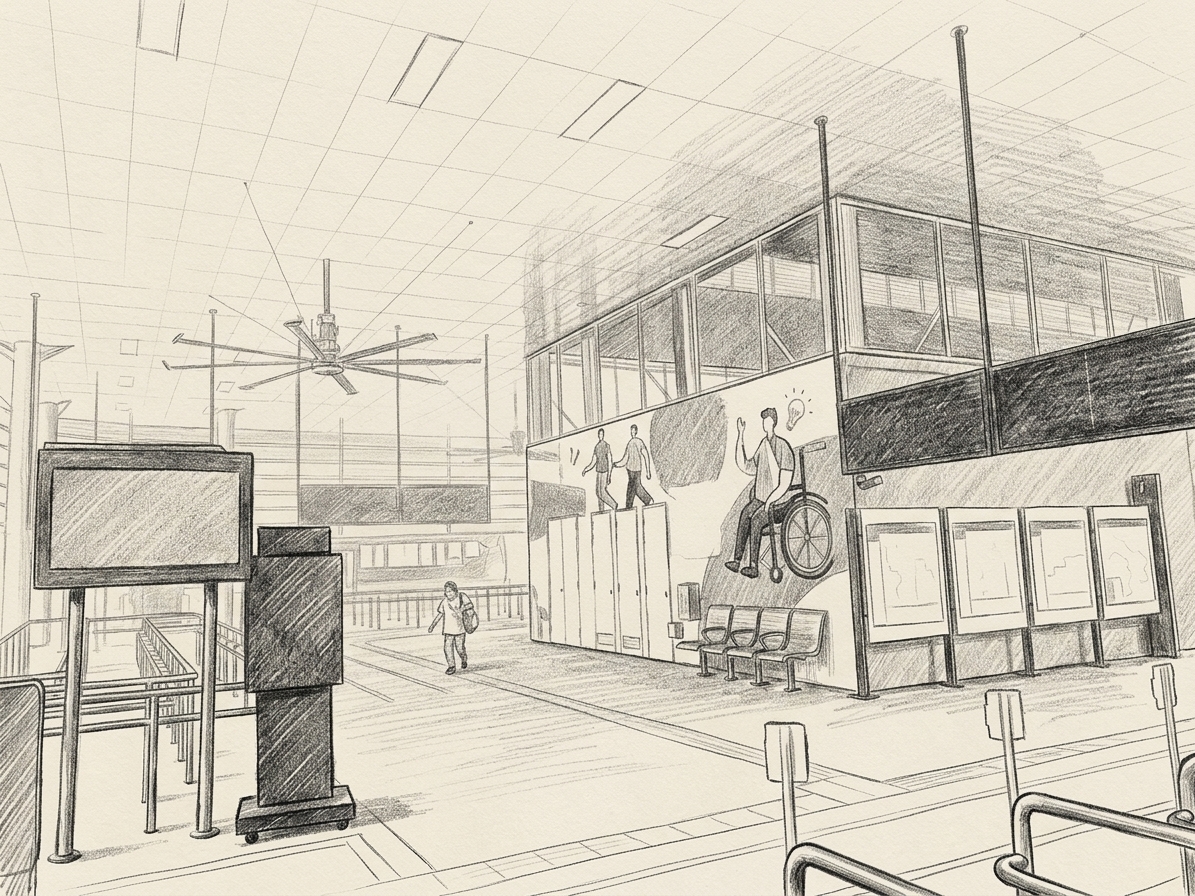
It depends on when you cross. Off-peak, Woodlands Checkpoint clears in roughly 15 to 30 minutes. During weekday rush hours, roughly 5 to 9am and 5 to 9pm, that stretches to 60 to 120 minutes, and Friday evenings or a public holiday eve can push it to 2 to 3 hours. Tuas Checkpoint (the Second Link) usually carries 30 to 40% less traffic, but it lands you in Gelang Patah, west of central JB, adding 15 to 25 minutes of driving on the Malaysia side, and it tends to run fewer immigration lanes, which can offset the lighter traffic.
If you don't drive, the CW1 bus runs between Kranji MRT and JB CIQ every 15 to 30 minutes, and CW2 runs from Queen Street to Larkin Sentral. Neither skips the checkpoint queue, it just removes the driving stress.
The trend line to know: the RTS Link, a dedicated rail line between Bukit Chagar (JB) and Woodlands North, is on course to begin passenger service in 2027, with the exact date still to be announced by the two transport ministries, and a train journey of about 5 minutes. It won't fix road congestion, but it gives commuters near either station a crossing that no longer depends on traffic.
Who Actually Commutes Daily, and Why
This isn't a fringe pattern. Estimates put 300,000 to 400,000 people crossing the Causeway daily for work, out of a wider pool of roughly 900,000 Malaysians working in Singapore overall. It's a normal, well-worn arrangement, not a stopgap.
The financial logic is straightforward: renting in JB and commuting saves several hundred to over a thousand Singapore dollars a month against a Singapore room. The cost is time and predictability. A commuter doing 2 to 2.5 hours each way at the worst end of the range loses close to a fifth of their waking day to the crossing, before the days it runs longer.
Who Chooses to Base Themselves in Singapore Instead
A few specific situations push people toward a Singapore base, even a partial one:
- Shift or irregular hours that don't line up with off-peak windows, where a bad crossing risks being late or stuck working past midnight.
- A job east, south, or central, far enough from Woodlands or Tuas that the checkpoint is only the first leg of a longer trip.
- Long or physically demanding work, where extra commuting hours cost real sleep, not just convenience.
- A trial period, testing if a job or pay is worth relocating for, without giving up the JB home base yet.
For a lot of these people, the honest answer isn't "commute" or "move permanently." It's a room used on weeknights, going home to Johor on weekends. That's the segment a licence-based co-living room fits, since there's no long lease to unwind if the arrangement changes.
Daily Commute vs a Singapore Base
| Daily commute from JB | Weeknight base in Singapore | |
|---|---|---|
| Housing cost | Lower, JB rent is cheaper | Higher, though co-living rooms narrow the gap |
| Time cost | 1 to 5+ hours daily, worse Fridays | Minutes to the office, no checkpoint |
| Predictability | Low, jams and holiday spikes | High, doesn't depend on the border |
| Vehicle costs | Petrol, tolls, VEP fees if driving in | None, or minimal if the car stays in JB |
| Best suited to | North-side jobs, flexible hours | Shift work, east/south/central jobs, long hours |
| Commitment | None, stays flexible | Low, if the room is licence-based |
Driving adds a layer. Malaysia-registered cars need a VEP (RFID tag) to enter Singapore, and from 1 January 2027, foreign-registered cars pay S$50 a day to enter, with the old free-day allowances removed. Worth pricing in before committing to a driving routine.
What a Work Pass or Student Pass Actually Lets You Rent
You need an in-hand, valid pass before signing a room agreement, whether you're commuting daily or basing yourself here. A job offer or in-principle approval letter isn't enough. The categories that apply:
- Employment Pass (EP), higher-skilled roles, minimum qualifying salary S$5,600 as of 2026 (higher for finance roles and older applicants).
- S Pass, mid-skilled roles, minimum qualifying salary S$3,300.
- Work Permit, other work sectors, no fixed qualifying salary. Malaysians on a Work Permit are exempt from the S$5,000 security bond required for other nationalities.
- Student Pass, for enrolment at NUS, NTU, SMU, a polytechnic, or a private school.
For the full breakdown of documents and what a legitimate operator checks before signing anyone, see Can Foreigners Rent in Singapore? Passes and Documents and Renting on an EP vs S Pass vs Student Pass. Both cover ground this article won't repeat.
Where Co-Living Fits for Commuters and New Arrivals
A commuter reconsidering the daily crossing, or someone moving from Malaysia for the first time, usually isn't ready to sign a 12-month whole-unit lease. That's the gap co-living rooms are built for.
A licence agreement, which is what most co-living rooms run on, isn't the same as a formal tenancy lease. It typically carries a shorter notice period and lower up-front commitment, useful if you're still deciding between commuting a few days a week or moving your whole base over. See Licence Agreement vs Tenancy Agreement in Singapore Co-Living for what changes between the two.
It also solves the furnishing problem. Nobody testing a weeknight base wants to buy furniture for a room they might give up in three months. A furnished room with utilities and wifi already sorted removes that friction, and Lazybee's rooms across Chiltern Park, Ivory Heights, and Thomson Grove are set up exactly this way.
Location matters more here too. A room near the north of the island cuts the post-checkpoint leg short on the days you cross, while a room closer to your workplace matters more once JB becomes the occasional trip instead of the daily one. See Where to Live by Commute Time to the CBD if you're weighing locations against your commute.
A Practical Starting Point
If you're still deciding, a short trial beats committing to either option permanently. Try a few weeks of the actual commute at your actual work hours before assuming it's sustainable, since off-peak estimates and rush-hour reality are different things. If it isn't working, a short-notice co-living room lets you test living in Singapore without signing away a year up front.
For the document pack to have ready before viewing any room, see Moving to Singapore Checklist. Current room availability across Lazybee's locations is listed at lazybee.sg, so you can check what's actually open before deciding which side of the border you're sleeping on most nights.
Moving to Singapore From Malaysia: Questions We Get Often
Is it cheaper to commute from JB or live in Singapore? Commuting is cheaper on housing alone, often by several hundred to over a thousand dollars a month. A Singapore base costs more in rent but removes the time and unpredictability of the crossing.
How long does the Causeway crossing actually take? Off-peak, 15 to 30 minutes. Weekday rush hours, 60 to 120 minutes. Friday evenings and public holiday eves can run 2 to 3 hours. Tuas carries less traffic but adds 15 to 25 minutes of driving on the Malaysia side.
Will the RTS Link fix the commute? It's on course to begin passenger service in 2027, with the exact date still to be announced, connecting Bukit Chagar and Woodlands North in about 5 minutes of train time. It removes checkpoint traffic for people near either station, though not for commuters far from both.
Can I rent a room before my Employment Pass or Student Pass is issued? No. You need the pass itself in hand, not an offer letter. See Can Foreigners Rent in Singapore for the full document list operators check.
Does a Malaysian need anything different from other foreign renters? No special rules apply, and Work Permit holders from Malaysia are exempt from the security bond employers of other nationalities must post. The rest of the process is the same as any foreign pass holder.
Is a co-living room sensible if I'm not sure I'll stay long term? Yes, that's what it's built for. A licence agreement with a shorter notice period suits someone still deciding between commuting and a full Singapore base far better than a 12-month lease does.
Figures here that come from government schedules, MOM salary thresholds, ICA and HDB requirements, URA rules, fees and fares, are reviewed on their own timetables and move. Check the current number at the source before you rely on it.
Sources: CausewayTraffic.sg, Woodlands Checkpoint Traffic; CausewayTraffic.sg, Woodlands vs Tuas; Free Malaysia Today, RTS Link set to transform Johor-Singapore commute; Vulcan Post, Johor Bahru-Singapore RTS Link to be completed by Dec 2026; LTA, Updates for Foreign-Registered Vehicles Entering Singapore; Dr Wealth, Malaysians in Singapore: Rent in SG or Commute from JB?; Causeway Link, Cross Border Bus Services; Terra Advisory Services, Singapore Work Visa for Malaysians 2026; The Star, Johor Baru-Singapore RTS Link: a sneak peek at completed Woodlands North station.