Joo Chiat and Katong Rent Guide: Should You Move East?
A joo chiat katong rent guide covering shophouse rooms, MRT commute times, real prices, and what to check before you sign in the east.
Yes, if you want heritage shophouses, some of the best food in Singapore, and a beach ten minutes from your door, and you don't mind paying a premium for it. Common rooms in Joo Chiat and Katong currently list from roughly $1,100 to $1,400 a month on the open market, and the area now sits on the Thomson-East Coast Line, so the old "too far east" complaint doesn't hold the way it used to. The rest of this guide covers what the area actually is, what it costs, and what to check before you sign.
What Defines the Joo Chiat and Katong Stretch
Joo Chiat and Katong aren't one address. They're a cluster of streets in District 15, roughly bordered by East Coast Road, Joo Chiat Road, Koon Seng Road, and the residential lanes running off them toward Marine Parade.
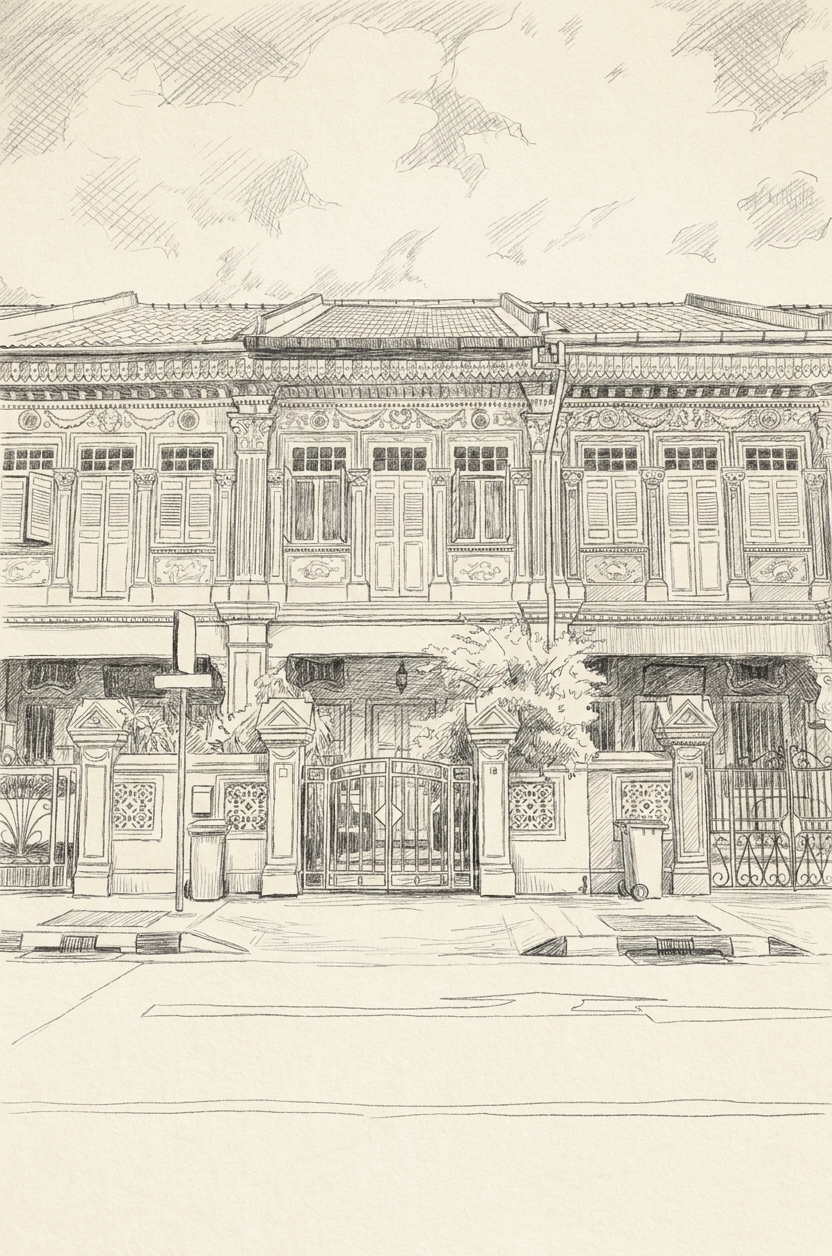
The area's identity comes from its shophouses. In 1991, URA gazetted 518 buildings in Joo Chiat for conservation, mostly two-storey shophouses and terrace houses in Transitional, Late, and Art Deco styles. Joo Chiat became Singapore's first Heritage Town in 2011.
That heritage status is why the streets look the way they do. Koon Seng Road's row of pastel conservation shophouses is one of the most photographed stretches in the country. Walk five minutes in any direction and you'll pass Peranakan bakeries, old kopitiams, and newer cafes that moved in without pushing the old shops out.
Joo Chiat and Katong in 2026
The single biggest change to the area in recent years is the Thomson-East Coast Line. Stage 4 opened on 23 June 2024, adding Katong Park, Tanjong Katong, Marine Parade, Marine Terrace, Siglap, and Bayshore stations.
Marine Parade station sits right where Joo Chiat Road meets Marine Parade Road, which makes it the practical MRT gateway to the whole stretch. Before the TEL, this area ran on buses alone. That's no longer true, and it's changed who's willing to rent here.
Rents have held up rather than dropped since the line opened, which tells you the accessibility premium got priced in fast. If you're weighing whether to commit now versus waiting for a dip, don't wait on the MRT effect. That's already baked in.
Joo Chiat vs Marine Parade vs Siglap
These three names get used almost interchangeably by renters, but they're not quite the same thing.
| Joo Chiat | Marine Parade | Siglap | |
|---|---|---|---|
| Character | Heritage shophouses, dense, walkable | Newer condos, HDBs, mall-adjacent (i12 Katong, Parkway Parade) | Quieter, older condos like Bayshore Park, closer to East Coast Park |
| Housing stock | Shophouse rooms, walk-up apartments | High-rise condos and HDB blocks | Larger, older condo units |
| MRT | Marine Parade (TE26) at the Joo Chiat Road junction | Marine Parade (TE26), Marine Terrace (TE27) | Siglap (TE28) |
| Best for | Renters who want the food scene and old-Singapore streetscape at their doorstep | Renters who want mall access and newer buildings | Renters who want space and calm, still close to the beach |
None of these are objectively "better." Joo Chiat rewards people who actually use the neighbourhood, cafes, markets, evening walks. Marine Parade suits people who want a shopping mall and a supermarket within five minutes. Siglap suits people who found Joo Chiat too busy and want the same coastline with more breathing room.
14 Reasons People Refuse to Leave the East
Ask anyone who's lived in Joo Chiat or Katong for a year why they haven't moved, and you'll hear some version of this list.
- East Coast Park is a walk or a short cycle away, not a whole MRT trip.
- The food is genuinely some of the best in Singapore, not just tourist-famous.
- Heritage shophouses give the streets a character new towns don't have.
- The Thomson-East Coast Line finally put the area on the rail map.
- Weekend beach runs and cycling become a habit, not an event.
- Katong laksa, Peranakan kueh, and old kopitiams are all within walking distance.
- i12 Katong and Parkway Parade cover most errands without a bus trip.
- The streets are low-rise and walkable, a rarer thing in Singapore than it should be.
- There's a real residential community, not just a transient rental crowd.
- Cafes and bars cluster densely enough that you don't need to leave the neighbourhood at night.
- The area feels distinct from the rest of Singapore, less generic than newer estates.
- Rental stock ranges from shophouse rooms to full condos, so budgets stretch further than in the CBD.
- It's quieter than town at night but never feels dead.
- Once you've had the sea breeze on a walk home, inland estates start to feel flat.
The Myth: "The East Is Too Far From Everything"
This used to be true. It isn't anymore, and the number that kills the myth is the commute time.
Before the TEL, getting from Marine Parade to the CBD meant a bus-to-train transfer that could run close to 40 minutes. With the Thomson-East Coast Line running direct, that trip to Shenton Way drops to around 20 minutes.
Twenty minutes to the CBD is faster than plenty of routes from supposedly "central" estates that still rely on a bus feeder to the nearest MRT. The east isn't remote anymore. It's a direct ride that happens to end at the beach.
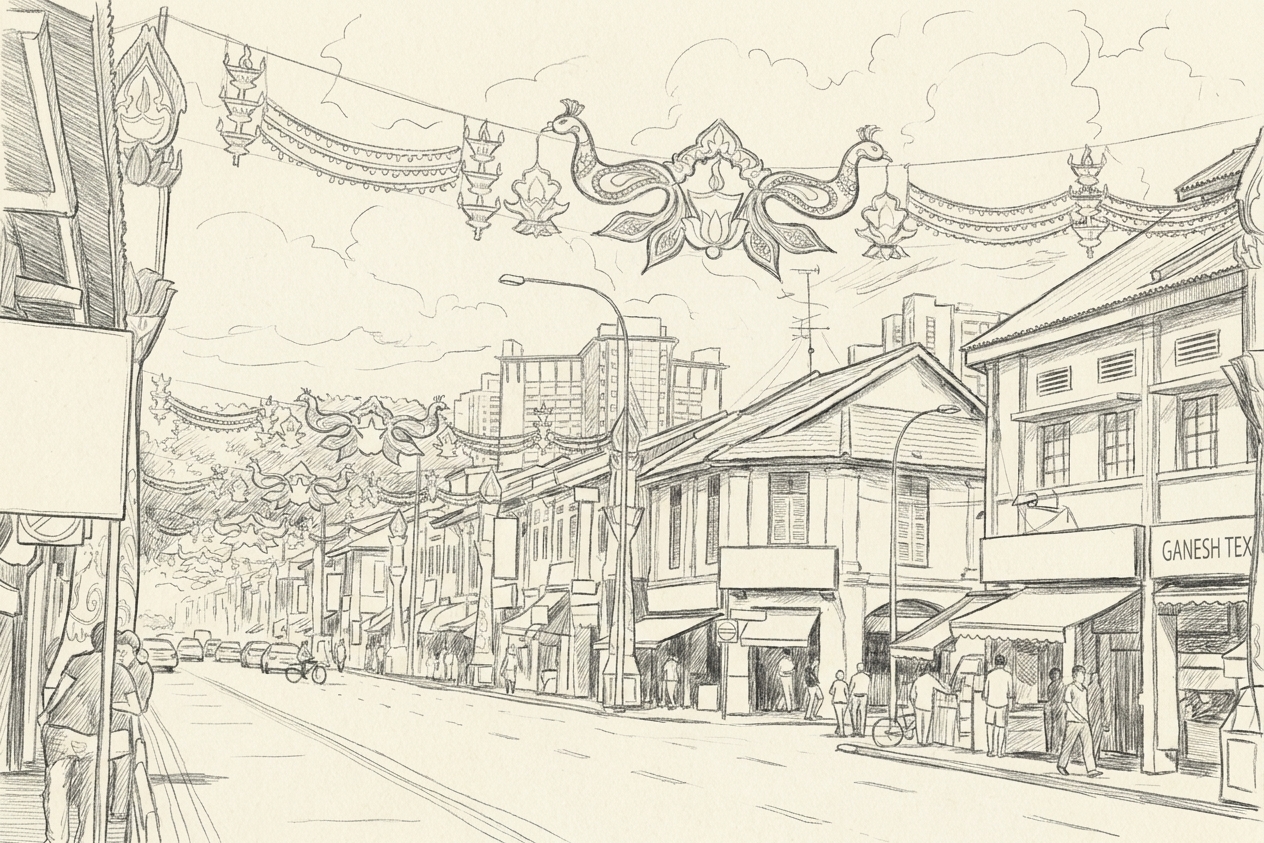
Moving East: A Newcomer's Orientation
If you've never lived east of the city before, here's the fast version of what locals already know.
Get your bearings around Joo Chiat Road and East Coast Road. These two run roughly parallel and most of what you need, food, transport, laundry, is on or just off them.
Marine Parade MRT is your anchor point. Know how long it takes you to walk there from wherever you're viewing a room. Ten minutes is normal. Twenty starts to matter on a rainy day.
Buses still matter here. The TEL covers the trunk route to the city, but plenty of local trips (Bedok, Paya Lebar, the malls) are still faster by bus. Download an app and learn two or three routes early.
Budget for humidity and old buildings. Shophouse rooms are charming but many weren't built with modern aircon loads in mind. Ask about the unit's cooling setup before you commit, not after.
Underestimating the Commute: The Real Mistake People Make
The mistake isn't moving east. It's assuming the TEL solves every trip the way it solves the CBD run.
The TEL is excellent for a straight line into town. It's less useful if your job, gym, or social life is scattered across the west or north side of the island, where you're now looking at a transfer or two regardless of which MRT line you start on.
Before you sign anything, map your actual weekly commute, not just the theoretical one. Work address, gym, anywhere you see people regularly. If two out of three of those are a single TEL ride away, the east works well. If none of them are, you're paying a lifestyle premium for a commute you'll still find tiring.
Checklist: What to Check Before Renting a Shophouse Room
Shophouse rooms are a big part of what makes Joo Chiat and Katong affordable relative to condo rents in the same postcode. They're also where most rental horror stories in this area come from. Check these before you sign:
- Ask how many rooms are in the unit and how many people live there. Authorities have flagged severe cases of shophouses split into far more rooms than they were designed for. A reasonable number of housemates is normal; a corridor of a dozen doors is not.
- Look at the partition materials. Timber and drywall partitions in an old shophouse are a fire safety concern if the building wasn't upgraded to handle it. Ask directly if you're unsure.
- Check the escape route. In a two-storey shophouse, know where the second exit is, not just the front door.
- Test the aircon and check for signs of dampness. Old buildings trap heat and moisture differently from newer condos.
- Confirm what's included in rent. Utilities, WiFi, and cleaning vary a lot between shophouse room listings, more than in purpose-built co-living, so get it in writing.
- Ask about the tenancy agreement itself. A verbal arrangement or a one-page WhatsApp confirmation isn't the same as a proper agreement. Get the terms in writing before you transfer a deposit.
If a shophouse room checks out on all of these, it's usually a good, characterful place to live. If a landlord gets vague on any of them, especially occupant count or the written agreement, treat that as your answer.
If You're Priced Out of the East
Joo Chiat and Katong rents reflect genuine demand, and not every budget stretches to a shophouse room in the heart of it. If that's you, it's worth comparing total monthly cost against co-living rooms elsewhere on the island that are still a direct MRT ride from the east, rather than assuming a longer commute is the only tradeoff. Lazybee runs furnished co-living rooms around Singapore with the paperwork, cleaning, and utilities already sorted, and current availability is always up to date at lazybee.sg.
FAQ: The East, Questions From People Considering the Move
Is Joo Chiat expensive to rent in? It's mid-to-upper range for a common room by Singapore standards, typically $1,100 to $1,400 a month depending on the unit and what's included. Full condo units cost more, especially newer developments near the MRT.
Is the commute from Joo Chiat or Katong to the CBD actually bad? No, not since the Thomson-East Coast Line opened in June 2024. The direct ride to Shenton Way runs about 20 minutes, roughly half what the old bus-and-train combination took.
What's the difference between Joo Chiat and Katong? They overlap heavily and locals often use the names interchangeably. Joo Chiat leans more toward the shophouse-lined streets and Peranakan heritage core; Katong is the broader district name covering the same area plus Marine Parade and the coastline.
Are shophouse rooms safe to rent? Most are fine, but check occupant numbers, partition materials, and escape routes before signing. Illegally subdivided units are a real and documented problem in Singapore, and shophouses are not immune.
Is Joo Chiat good for someone without a car? Yes. Marine Parade MRT plus a dense bus network covers most of what you need, and the area itself is walkable enough that you won't need transport for daily errands.
What's the best alternative to Joo Chiat if I want the east coast lifestyle for less? Siglap and the areas around Marine Terrace tend to run slightly cheaper for similar coastal access, and rooms further from the immediate shophouse strip are usually more affordable without losing the MRT connection.
Sources: URA, Short-Term Accommodation guidelines; URA, Renting Property guidelines; HDB, Renting out a flat: regulations.