Malaysian Students in Singapore: Housing for the JB-SG Crossing Reality
Malaysian students in Singapore housing guide: real Causeway crossing times, what RTS Link changes, and when living in Singapore beats commuting from JB.
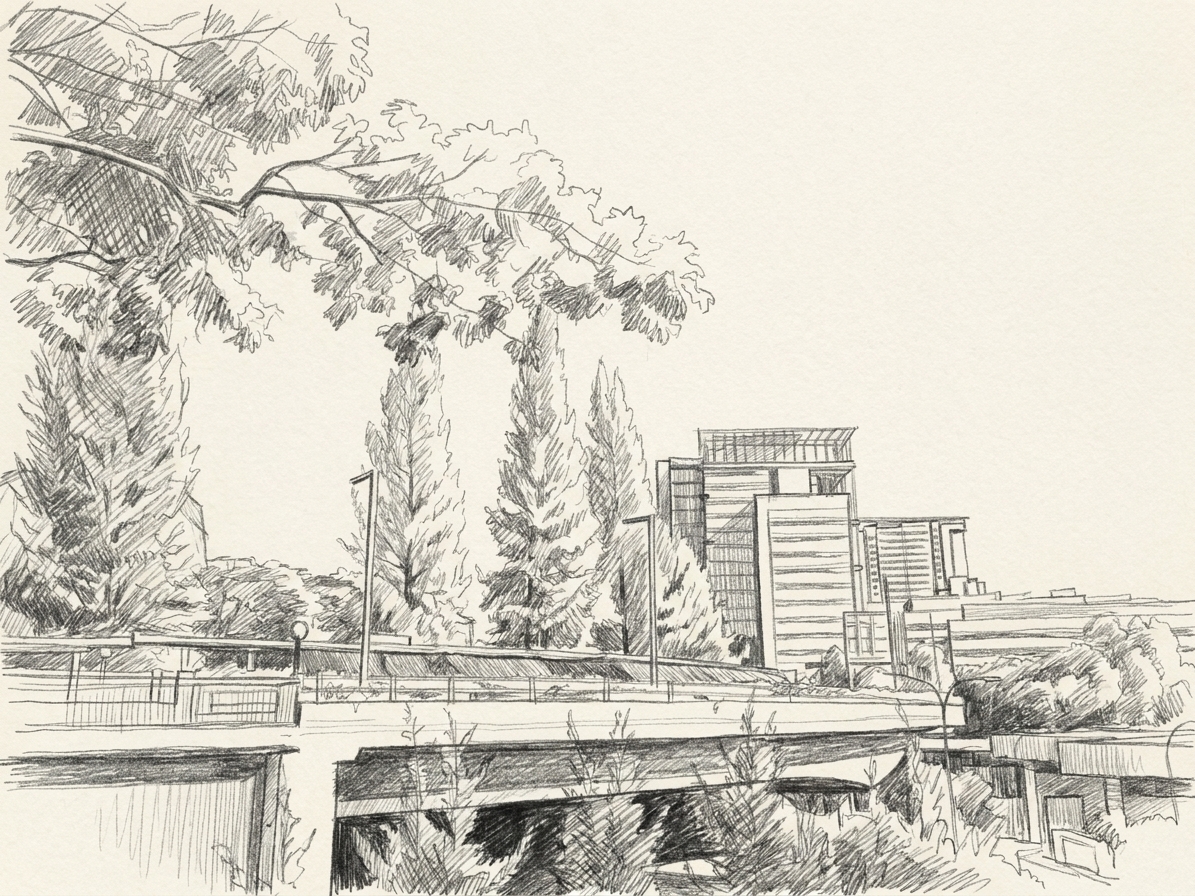
If you're a Malaysian student who just got into a Singapore university, the commute-or-move question isn't abstract. It's the difference between a 20-minute train ride and a crossing that can eat two to four hours each way at the wrong time of day. For most full-time students with a fixed timetable, that gap is why living in Singapore during term time beats commuting from JB, even though the Causeway sits a short drive from home.
This isn't the same call a JB-based office worker makes. Workers can sometimes shift their hours around the worst traffic. Students can't move an 8am lecture, a group project meeting, or an exam that starts at 9 sharp. That's the piece worth working through properly before you commit to either option.
Why Is This Different From a Normal Commute Decision?
A worker crosses the border twice a day, once each way, and can often pick when. A student's day is broken into blocks: a lecture in the morning, a gap, a tutorial in the afternoon, sometimes a study group or lab session in the evening.
That schedule doesn't leave much room to dodge peak congestion. If your first class is at 9am, you're crossing right into the worst window of the day, whether you like it or not.
Group projects, CCAs, and exam mornings raise the stakes further. Missing a bus timing because of an assignment discussion running late is a different kind of problem than missing it because of a normal workday.
How Bad Is the Causeway, Actually?
The Woodlands Causeway is the busiest land border crossing in the world, and the numbers back that reputation up. Crossing times swing from around 30 minutes on a quiet mid-morning to two, three, even four hours during the worst windows.
Weekday congestion clusters around 5am to 10am and 4pm to 8pm, which is exactly when a commuting student would be crossing to make morning classes or heading home after evening ones. Friday evenings, Saturday mornings, and Sunday afternoons into evenings are worse again, as workers and weekend travellers stack onto the same road.
The knock-on effects show up in how people actually plan around it. Some school bus operators serving JB-Singapore routes schedule pickups as early as 4am just to reach the checkpoint by 5:30am and beat the jam, which means a chunk of students effectively lose their early morning before class has even started. One well-reported case from a recent semester: an 18-year-old foundation student at a Singapore institution chose to walk the 20-minute Causeway crossing on foot rather than sit in a bus queue, because walking was faster than waiting.
That's the everyday reality behind the phrase "JB-SG commute." It's not a fixed number. It's a range that depends entirely on the hour you're forced to travel, and students, unlike workers, usually don't get to choose that hour.
Does the Second Link at Tuas Help?
Tuas Checkpoint, the Second Link crossing, generally carries less traffic than Woodlands and moves faster during Woodlands' worst peak windows. On a good day, a Tuas crossing can take 15 to 30 minutes at the checkpoint itself.
The catch is what's on either side of it. Tuas lands in Gelang Patah, west of central JB, which adds 15 to 25 minutes of driving for most JB neighbourhoods and most Singapore campuses aren't near Tuas either. The checkpoint being lighter doesn't mean the full door-to-door trip is short, and Tuas still backs up on weekends and the eve of Malaysian public holidays.
What Changes When RTS Link Opens?
The Johor Bahru-Singapore Rapid Transit System, RTS Link, is a rail crossing built specifically to fix the chokepoint at the border. Once running, the train ride between Woodlands North in Singapore and Bukit Chagar in JB takes about five minutes, with capacity for roughly 10,000 commuters an hour in each direction. One-way fares are expected to land around S$5 to S$7.
As of writing, RTS Link isn't carrying passengers yet. Construction reached roughly 90% completion in early 2026, with fault-free system testing targeted for around September 2026 and passenger service targeted for January 2027. It's close, but it isn't live for the current academic year, and any Malaysian student weighing this decision for 2026 intake needs to plan around the Causeway and Second Link as they exist today, not the train that's coming.
It's also worth being clear on what RTS Link actually fixes. It removes the worst part, the checkpoint queue itself, but a Woodlands North-to-Bukit Chagar ticket doesn't put you on campus. NUS, NTU, SMU, and most other campuses are still a further MRT ride or bus trip from Woodlands North, and getting to the JB side of the station from home is its own trip too. RTS Link shortens the commute considerably. It doesn't erase it.
Commuting From JB vs Living in Singapore: The Real Comparison
| Commuting from JB | Living in Singapore | |
|---|---|---|
| Time cost, peak hours | 1 to 4 hours each way, unpredictable | Normal local commute, usually under 45 minutes |
| Exam mornings | Highest-risk day of the semester to be stuck at the checkpoint | No border dependency |
| Daily cash cost | Bus fares from roughly S$2.60 to S$4.80 per crossing, each way | Local MRT/bus fares only |
| Evening classes, group work, CCAs | Hard to plan around unpredictable return traffic | No commute cutoff to work around |
| Housing cost | None extra, living at home | Room rent, but bundled and predictable |
| Sleep and study time | Eaten by early pickups and traffic buffers | Protected |
None of this makes commuting the wrong choice for everyone. A student with a light, predictable timetable, family nearby, and a tolerance for the occasional bad crossing can make it work, especially once RTS Link is running. But for a full course load with early classes, evening sessions, or exams on the line, the time cost of commuting tends to outweigh the money saved on rent.
What This Means for Housing Choices
Students who decide to live in Singapore during term time are usually choosing between a shared HDB room, a university hall (where a place is available and applied for early), or a co-living room that comes furnished with utilities and wifi already sorted.
Co-living tends to suit this specific situation well. The room, the term, and what's included are published up front rather than negotiated listing by listing, which matters when you're arranging accommodation from across the border and can't always view a place in person before deciding. Lazybee's rooms across Chiltern Park, Ivory Heights, and Thomson Grove are fully furnished and set up for exactly this kind of move, without the six-month or twelve-month lease that doesn't match a semester.
If you're weighing commuting against living in Singapore, the honest starting point is your actual weekly timetable, not a general sense of how bad the Causeway is. Map out your earliest and latest classes for a typical week, check them against the peak windows above, and the answer usually becomes obvious on its own.
Frequently Asked Questions
Is commuting from JB to Singapore for university actually common? Yes. Large numbers of Johor residents cross daily for work, and a portion of Singapore's Malaysian student population does the same, particularly students with a lighter or more flexible timetable.
How much time should I budget for a Causeway crossing? Anywhere from 30 minutes off-peak to two to four hours during the worst weekday and weekend peaks. There's no single reliable number, which is itself the main problem for anyone with a fixed class time.
Is the Second Link at Tuas a good workaround? It's usually faster at the checkpoint itself, but it adds driving time on both sides for most JB and Singapore destinations, so the total trip isn't always shorter.
Should I wait for RTS Link before deciding? Only if your intake starts after it's running. As of 2026, RTS Link is still in testing, with passenger service targeted for January 2027, so anyone starting sooner needs to plan around current crossing times.
Is it cheaper to commute than to live in Singapore? On rent alone, yes. Once you count the hours lost to unpredictable crossings, missed sleep, and the risk of being late for something that matters, most full-time students find the time cost outweighs the savings.
Room availability near Singapore's main campuses is listed at lazybee.sg, with the term and what's included stated up front on each listing. Whether you end up commuting or moving, run your actual timetable against the numbers above before you decide.
Sources: HDB, Renting out a flat: regulations; HDB, Renting out bedrooms: regulations.