East Coast vs City Fringe: Lifestyle and Price, Compared
East coast vs city fringe in Singapore: rent, commute and lifestyle compared honestly, with a scorecard to help you pick where to live.
East Coast living in Singapore usually means more space for your rent, a slower pace, and a beach a short ride away, but a commute into the CBD that still runs about 20 to 25 minutes even now that the Thomson-East Coast Line has reached the area. City fringe living, the belt just outside the prime core that includes places like Tiong Bahru, Novena and Toa Payoh, usually means a smaller unit for similar or higher rent, but a commute that can drop under 15 minutes and far more happening within walking distance. Neither side is the objectively better choice. It comes down to whether you value space and quiet more than proximity and buzz, and how much of your week actually happens near home versus near work.
This piece works through both sides properly: what they actually are, what changed in 2026, how they stack up on paper, and the mistakes people make picking between them.
Two Different Ways to Live in Singapore
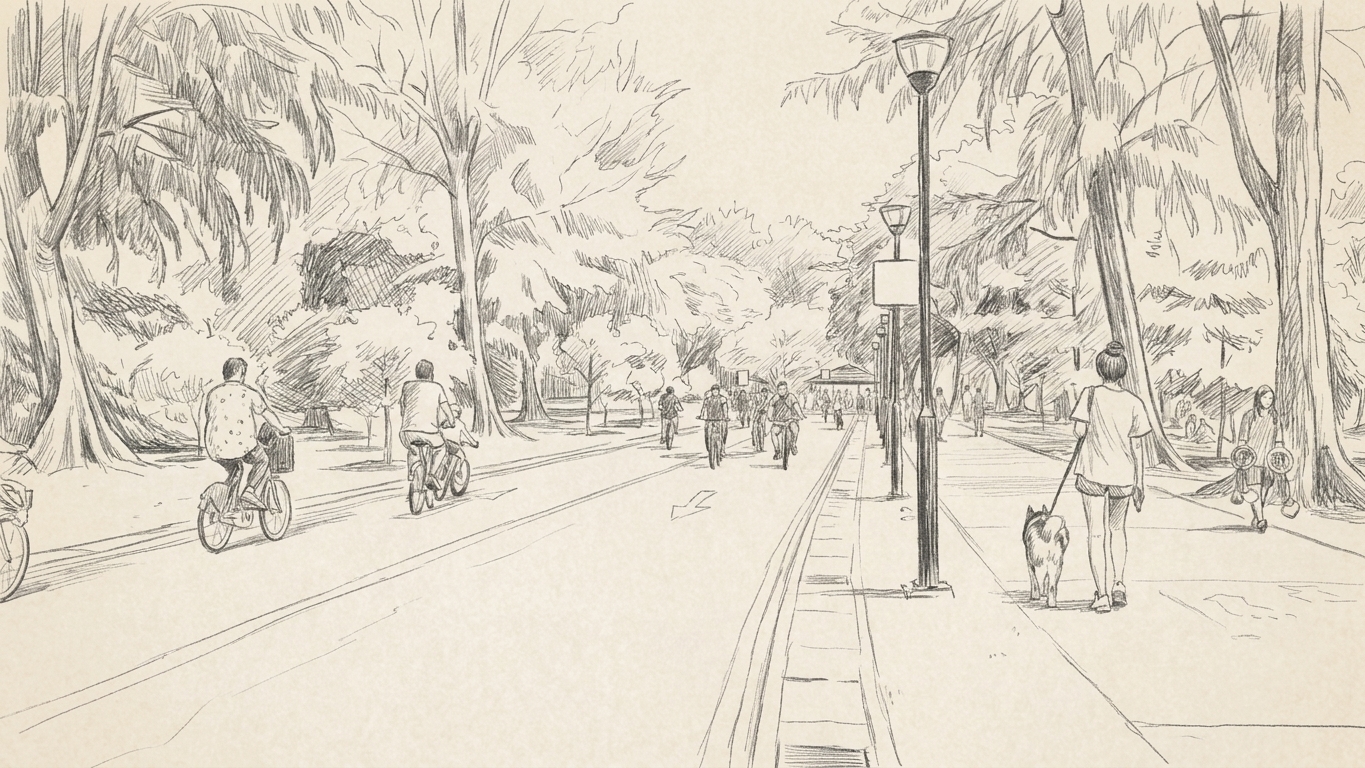
"East Coast" usually means the stretch running from Katong and Marine Parade through Siglap, Bedok and East Coast Park, roughly districts 15 and 16. It's low-rise, residential, close to the water, and built around a slower daily rhythm. Weekends default to the park, the beach, or a coffee shop that's been there for decades.
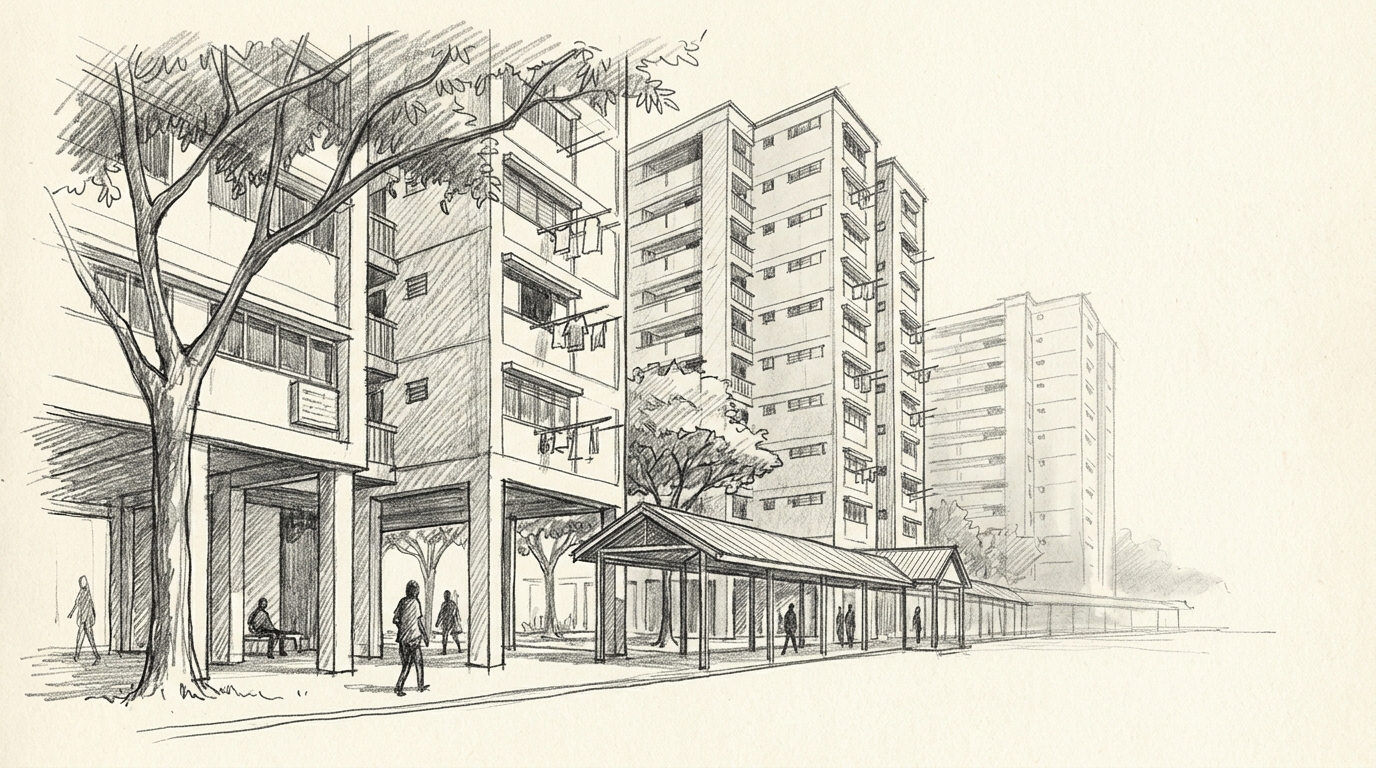
"City fringe" is the more slippery term. Property people usually mean the Rest of Central Region (RCR), the ring of districts sitting between the prime core (districts 9, 10, 11) and the outer suburbs. That covers Tiong Bahru, Novena, Toa Payoh, Queenstown, Paya Lebar and similar pockets. The pitch is simple: almost as close to the CBD as downtown itself, at a lower price and a less touristy feel.
They're solving different problems. East Coast is optimising for lifestyle and space. City fringe is optimising for time.
Beach or City Fringe: Which Suits Me?
Ask yourself one honest question first: how much of your actual week happens near home, and how much happens near work or downtown? If you work from home often, love outdoor space, and don't mind an extra 10 minutes on the MRT, East Coast tends to win. If your calendar is full of after-work dinners, gym sessions near the office, or friends who live centrally, the shorter commute of city fringe usually pays for itself in hours saved every week.
There's no wrong answer here, only a mismatched one. The most common regret isn't picking the "worse" side. It's picking the one that doesn't match how the person actually spends their time.
Both Submarkets in 2026
The biggest structural change to this comparison landed in June 2024, when the Thomson-East Coast Line's fourth stage opened stations at Tanjong Rhu, Katong Park, Tanjong Katong, Marine Parade, Marine Terrace, Siglap and Bayshore. For the first time, large parts of the East Coast got direct MRT access instead of relying on buses or a longer walk to Eunos or Bedok on the East-West Line. That single change has done more to narrow the gap with city fringe than anything else in the past decade, cutting a trip that used to mean bus plus MRT down to a single line into the city.
It hasn't closed the gap entirely. A trip from Marine Parade to Raffles Place still runs roughly 20 to 25 minutes on the MRT, versus something closer to 10 to 15 minutes from a well-placed city fringe address. But the East Coast is measurably better connected in 2026 than it was three years ago. City fringe hasn't stood still either. Tiong Bahru and similar RCR pockets remain some of the most sought-after addresses in Singapore, precisely because they sit between prime-district polish and outer-suburb affordability.
East Coast vs River Valley, Compared Properly
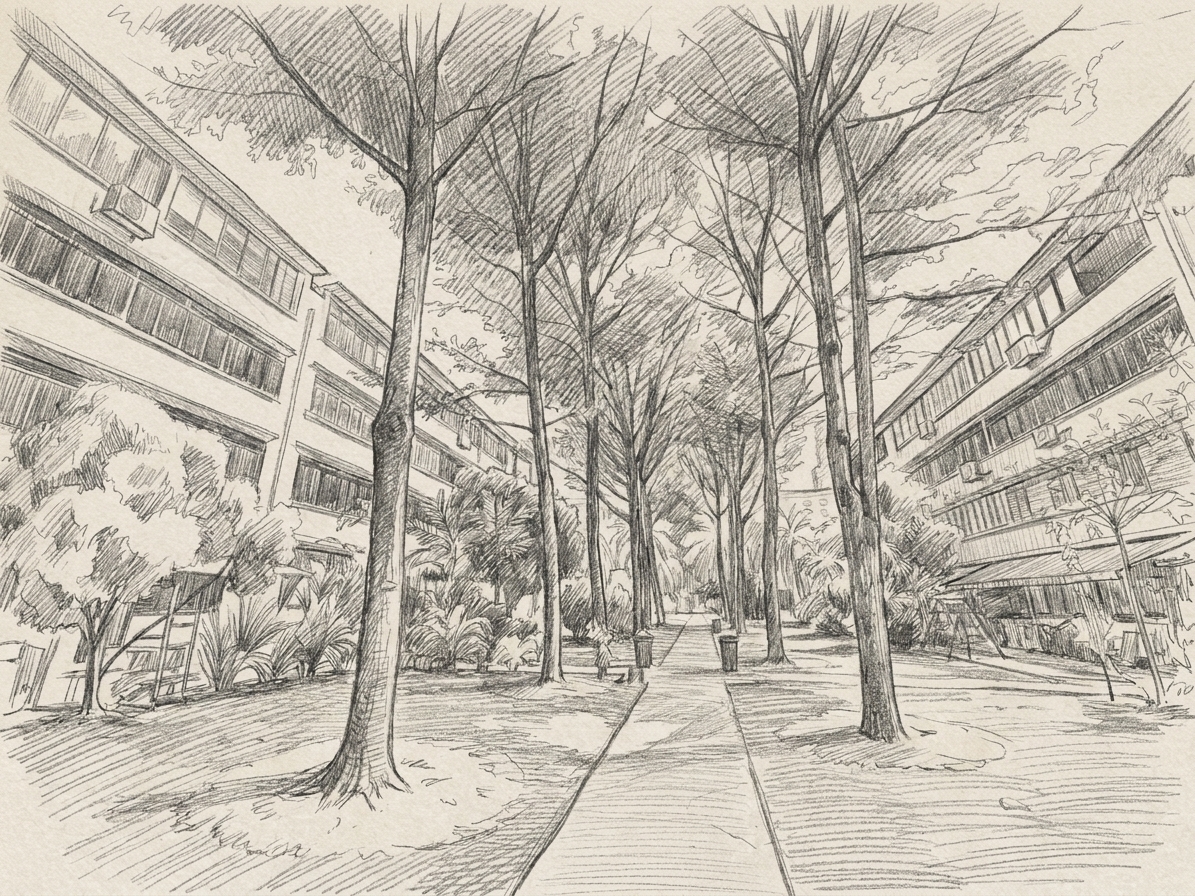
River Valley sits inside the prime core, district 9, right up against Orchard Road and the river. It isn't technically "city fringe" in the URA sense, but it gets talked about in the same breath because it offers a similar trade: dense, central, walkable, and close to everything, at a price that reflects all of that.
| East Coast | River Valley | |
|---|---|---|
| Region classification | Outside Central Region (OCR) | Core Central Region (CCR), prime |
| Commute to Raffles Place | Roughly 20 to 25 minutes by MRT | Roughly 10 to 15 minutes |
| Typical feel | Low-rise, residential, coastal | Dense, upscale, riverside |
| Space per dollar | Generally more generous | Generally tighter |
| Outdoor life | East Coast Park, beach, cycling paths | Riverside walks, Orchard Road nearby |
| Nightlife and dining density | Moderate, spread out | High, concentrated |
| Typical resident | Families, remote workers, those who want quiet evenings | Professionals who value being close to everything |
Neither wins on every line. East Coast wins on space and outdoor access. River Valley wins on time and density. The honest way to read this table is to weigh the rows that actually matter to your week, not just add them up.
8 Trade Offs Between Coast and Fringe
- Commute time. City fringe generally wins by 10 minutes or more each way, which adds up over a working year.
- Space per dollar. East Coast units, especially in older low-rise blocks, tend to be larger for similar rent.
- Outdoor access. East Coast Park is unmatched for a walk, a run or a swim without leaving the neighbourhood.
- Food and nightlife density. City fringe areas like Tiong Bahru pack more cafes, bars and restaurants into a smaller radius.
- Noise and pace. East Coast is quieter after dark. City fringe stays busier later.
- Weekend character. East Coast weekends lean outdoors. City fringe weekends lean social and walkable.
- New development. City fringe areas see more frequent redevelopment and construction. East Coast's built environment changes more slowly.
- Resale and rental resilience. Both hold value well, but for different reasons: East Coast on lifestyle scarcity, city fringe on location scarcity.
Myth: The Coast Is Only for Families
This gets repeated a lot, and it isn't true. East Coast has a strong family reputation because of the space, the schools nearby, and the park, but plenty of young professionals and couples live there for the lifestyle and the lower noise alone. The area also has a solid café and food scene along Joo Chiat and East Coast Road that has nothing to do with family living.
What's true is that East Coast suits anyone who wants a slower pace, regardless of household size. A single professional who works from home a few days a week and wants a run on the beach in the evening fits the area just as well as a family of four. "Families only" is really shorthand for "quieter," and quieter appeals to more than one life stage.
Choosing Your First Singapore Neighbourhood
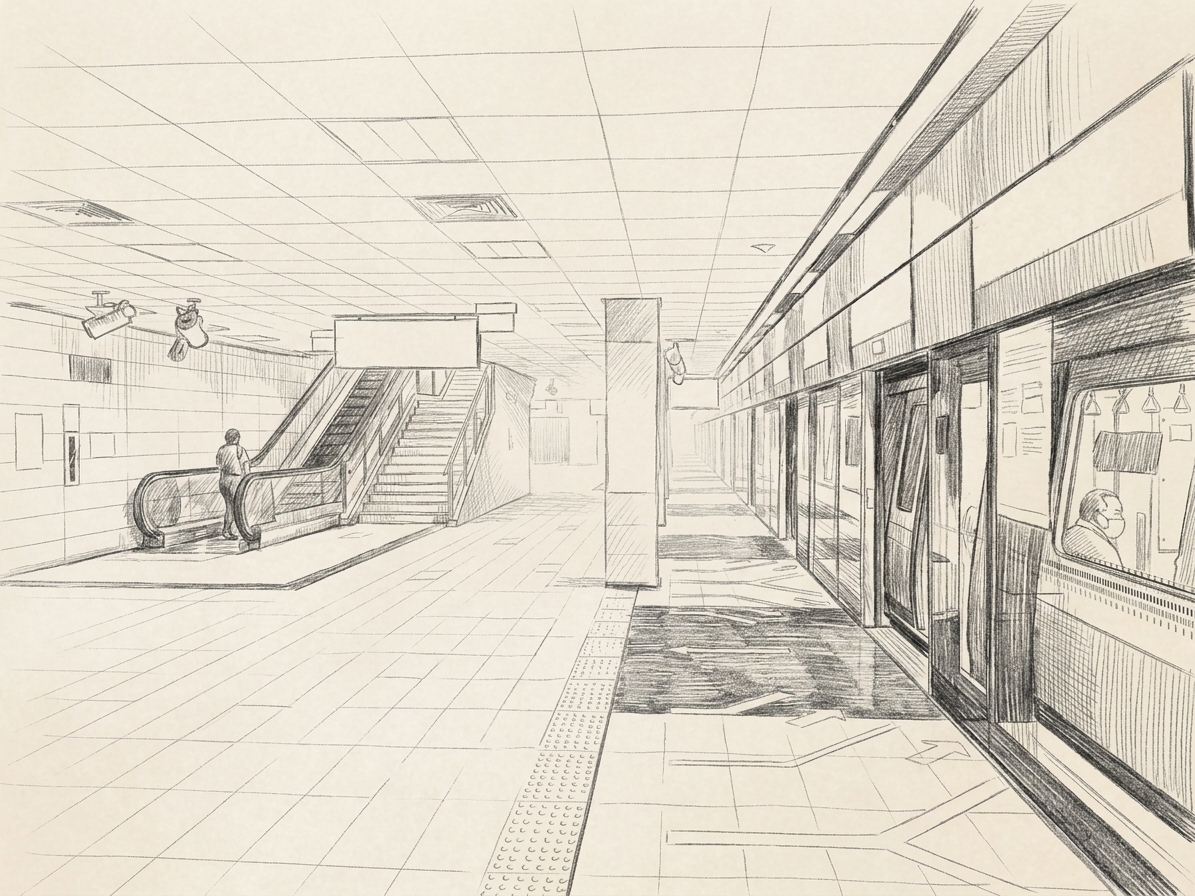
If this is your first time picking where to live in Singapore, start with your commute, not the neighbourhood's reputation. Map your actual workplace, then check the real MRT time to a few candidate areas, not the straight-line distance. Ten minutes doesn't sound like much until it's forty minutes a week, every week, for a year.
Next, think about your typical weekday evening. If it's usually a walk, a home-cooked meal, or an early night, East Coast's slower pace fits. If it's dinner out, drinks with colleagues, or a late gym session, a city fringe address will get used more than admired from a balcony.
Finally, visit both at the time of day you'd actually be there. That matters enough for its own section, next.
The Mistake Almost Everyone Makes: Choosing on Weekends Instead of Weekdays
Most people view a room or a unit on a Saturday afternoon, when both East Coast and city fringe are at their most flattering. East Coast Park is full of families and cyclists. Tiong Bahru's cafes have a queue out the door. Everything looks good on a weekend.
The problem is you don't live on weekends. You live on Tuesday nights after a long day, when the East Coast MRT gap actually costs you time, or when a city fringe unit's smaller floor plate actually feels smaller. Go back and see the area on a weekday evening, ideally around the time you'd normally get home from work. If you can, try the actual commute at rush hour rather than trusting a map's estimated time. That one visit changes more decisions than any amount of comparing photos online.
Weigh Both Options With This Scorecard
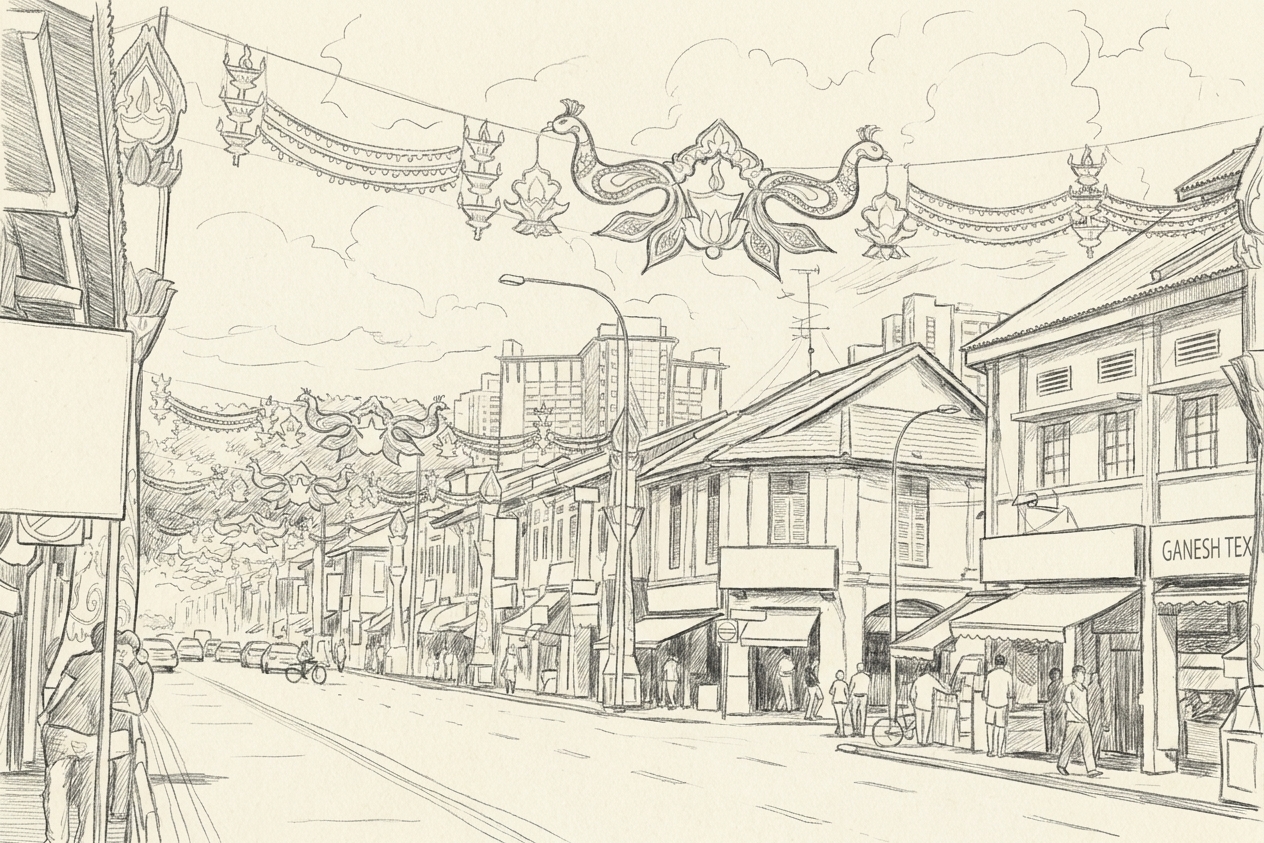
Score each area from 1 to 5 on the factors that matter to you, then total it up. This isn't scientific, but it forces the comparison onto paper instead of gut feel.
- Commute time to work (weight this heavily if you commute 5 days a week)
- Space for your budget
- Access to outdoor recreation
- Food and social options within walking distance
- Noise levels in the evening
- How the area feels on a weekday visit, not a weekend one
- Distance to friends or family already in Singapore
Whichever side scores higher for your actual life, not your Instagram feed, is the one to act on.
Where Lazybee Fits, If Neither Wins Outright
Worth saying plainly: Lazybee's own rooms aren't on the coast or in the prime city fringe belt. Our buildings sit in Ang Mo Kio, Serangoon and Jurong East, which is its own trade-off again, further from both the beach and the fringe cafes, but generally more room for the rent and a quieter street to come home to. If that third lane sounds closer to what you actually need than either side of this comparison, the current rooms and availability are listed at lazybee.sg.
Coast or Fringe: Questions That Settle It
Is East Coast more expensive than city fringe in Singapore? It depends on the unit type and building age. City fringe areas like Tiong Bahru and River Valley often command a premium for smaller units because of their central location, while East Coast tends to offer more space for similar or lower rent, though prime East Coast condos can also run high.
How long is the commute from East Coast to the CBD now that the MRT reaches it? Roughly 20 to 25 minutes from stations like Marine Parade to Raffles Place, since the Thomson-East Coast Line's East Coast stations opened in June 2024.
Is city fringe the same as River Valley or Orchard? Not officially. River Valley and Orchard sit in the Core Central Region, the prime core, not the Rest of Central Region that property listings usually mean by "city fringe." They're often discussed together because both offer a dense, central, walkable lifestyle at a premium price.
Is the East Coast only good for families? No. It suits anyone who wants a slower pace and more outdoor space, single professionals and couples included. The family reputation comes from the schools and the park, not from any restriction on who lives there.
What's the best way to decide between East Coast and city fringe? Map your real commute time to both, think honestly about how you spend weekday evenings, and visit each area on a weekday, not just a weekend, before deciding.
Does the East Coast have good MRT access now? Yes, since June 2024, when Thomson-East Coast Line stations opened at Tanjong Rhu, Katong Park, Tanjong Katong, Marine Parade, Marine Terrace, Siglap and Bayshore. Before that, most of the area relied on buses to the nearest MRT line.
Which areas count as "city fringe" in Singapore? Most commonly Tiong Bahru, Novena, Toa Payoh, Queenstown and Paya Lebar, the Rest of Central Region belt between the prime core and the outer suburbs.
Is East Coast quieter than city fringe at night? Generally yes. East Coast's low-rise, residential character means fewer late-night options and less street noise, while city fringe areas like Tiong Bahru stay busier into the evening.
Sources: URA, Short-Term Accommodation guidelines; URA, Renting Property guidelines.